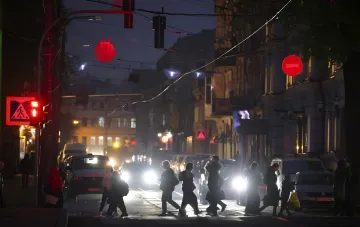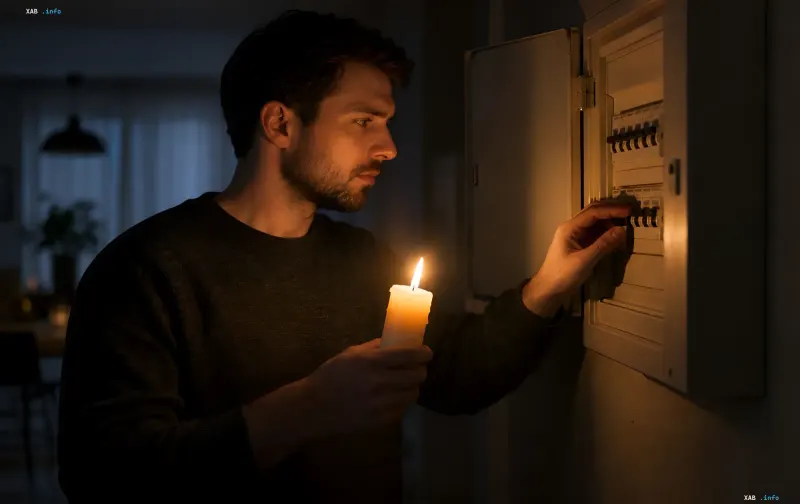
After a blackout, electricity may return for just a few minutes and then cut out again—especially if a space heater or water boiler was running when power was restored. In such cases, the circuit breaker in the panel trips, even if the appliances are working correctly. The Styler project by RBC-Ukraine (styler.rbc.ua) explains why this happens and under what conditions you can restore power yourself versus when it is best not to take risks.
Why the Breaker Trips When Power Comes Back
A circuit breaker protects the wiring: when excessive current passes through the line, it cuts off the power. After an outage, voltage may temporarily drop if many consumers turn on appliances simultaneously. This is stated in an explanation by DTEK Kyiv Regional Grids, published on February 20, 2026, by the Kaharlyk City Council. A standard breaker responds to excess current; in the event of excessively high or low voltage, a voltage control relay cuts power if installed. A residual current device (RCD) responds to current leakage, and a RCBO additionally protects the line from overload and short circuits—the difference between these devices is explained by electrical equipment manufacturer Eaton.
When You Must Not Touch the Electrical Panel
If the electrical panel is smoking or sparking, you must not touch it: warn people nearby and, if the path to the exit is safe, leave the premises. Call emergency services—at numbers 101 or 112, indicated in the SES list—from a safe location. The smell of burning insulation, crackling sounds, or traces of water on the panel are also grounds for leaving the line switched off and calling an electrician.
What to Do If There Are No Signs of Danger
First, check whether your neighbors have power. If several apartments are unpowered, check the regional power company's announcements for your address. If no outages were reported, contact your housing cooperative or building manager—this is what the State Energy Supervision Agency recommends.
How to Safely Restore Power
If you know for sure which breaker tripped and the cause was an obvious overload, you can try to restore power. The panel must be intact and dry. Before touching the lever, check whether your hands and the floor near the panel are dry, as advised by the energy company FirstEnergy. If the cause is unclear, there are signs of malfunction, or appliances cannot be safely disconnected, the line should be left off and an electrician called.
Why You Must Not Install a Higher-Rated Breaker
Installing a higher-rated breaker just to stop it from tripping is a bad idea: this can lead to overheated wiring and a fire. Experts from the Electrical Safety Foundation International (ESFI) note that circuit breakers must match the parameters of the electrical circuit. If the breaker trips regularly, a qualified electrician must determine the cause.
How to Reduce Grid Load After an Outage
Simultaneous appliance startup in many homes can overload the grid and trigger a new accident—as warned on November 2, 2026, by the Darnytsia District State Administration in Kyiv. To reduce the load, the government brochure "Save Warmth for Your Loved Ones" advises waiting about 30 minutes after power returns and then using high-power appliances sequentially. If an electric kettle and a space heater together overload a single line, the heater should be turned off while the water boils.