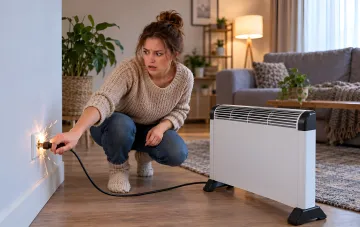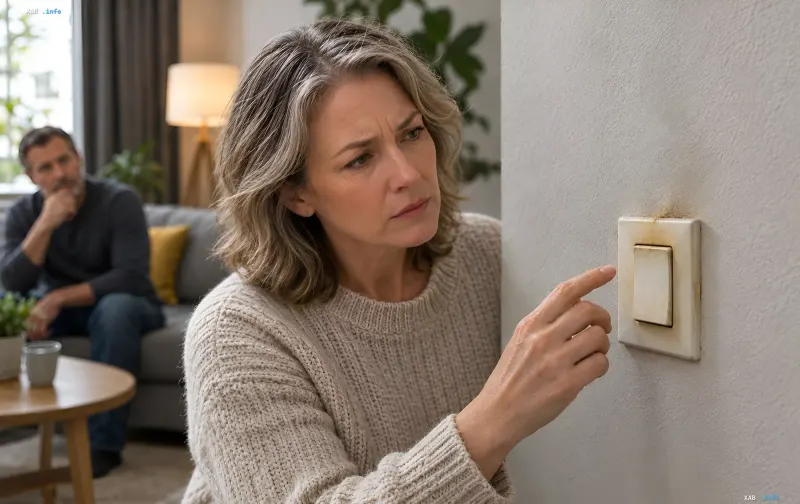
Crackling, buzzing, the smell of burning plastic, or a noticeable increase in temperature from a light switch—signs that many residents tend to ignore—can actually indicate a serious electrical contact failure and pose a real fire hazard. According to Schneider Electric specialists, one of the main causes of switch overheating is loose electrical connections: poor contact increases electrical resistance, generating extra heat at the junction. The problem can also stem from worn internal components or excessive electrical load on the line.
Which Switch Sounds Are Normal and Which Are a Cause for Concern
It is important to distinguish between normal mechanics and signs of failure. A short click when pressing the switch toggle is standard and relates to mechanical contact operation. However, crackling, buzzing, or popping that repeats or continues after switching indicates damaged or loose contacts. An electric arc can form between them, gradually destroying internal components and causing progressive heating. The British organization Electrical Safety First specifically warns that crackling in switches, lights, or sockets may point to systemic wiring issues rather than just a local defect in a single device.
Dimmers and Frequent Breaker Tripping: Hidden Indicators of Trouble
Dimmers—devices for smooth lighting brightness control—deserve special attention. Due to their design, they may warm up slightly during operation, which is considered acceptable. However, severe heating, a burning smell, or darkening of the dimmer housing is not normal and requires immediate attention. The American organization Electrical Safety Foundation International (ESFI) also recommends watching for frequent circuit breaker trips: if the same breaker regularly "trips" without an obvious reason, it may indicate a line overload, damaged wiring, or faulty connected equipment.
What to Do If a Switch Starts Crackling or Heating Up
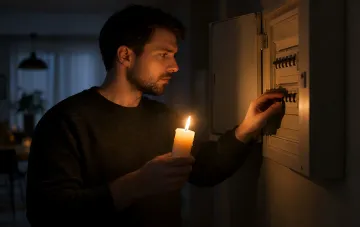
The first and main rule is to stop using the faulty switch. Do not deliberately touch the suspicious device, even to check how hot it is: the absence of external damage does not guarantee internal contact integrity. If you know for sure which circuit breaker controls the lighting and access to the panel is safe, de-energize the corresponding line. It is strictly not recommended to repeatedly turn the light on and off "to test"—this can worsen contact damage. If you are not sure which breaker to shut off, do not experiment and contact a qualified electrician.
When Emergency Help Is Needed and Why You Must Not Repair It Yourself
Recommendations from the State Emergency Service of Ukraine (SESU) emphasize that DIY electrical repairs are life-threatening: all diagnostic and troubleshooting work should be entrusted to certified professionals. An electrician will check the condition of the switch, contacts, and all line wiring; depending on the cause, replacing the device or repairing damaged connections may be required. If smoke, sparks, or fire come from the switch, you must immediately leave the danger area and call 101. Live electrical equipment must never be extinguished with water due to the risk of electric shock. And even if the crackling stops after power is cut, it does not mean the fault is fixed: the line should remain de-energized until checked by an electrician.