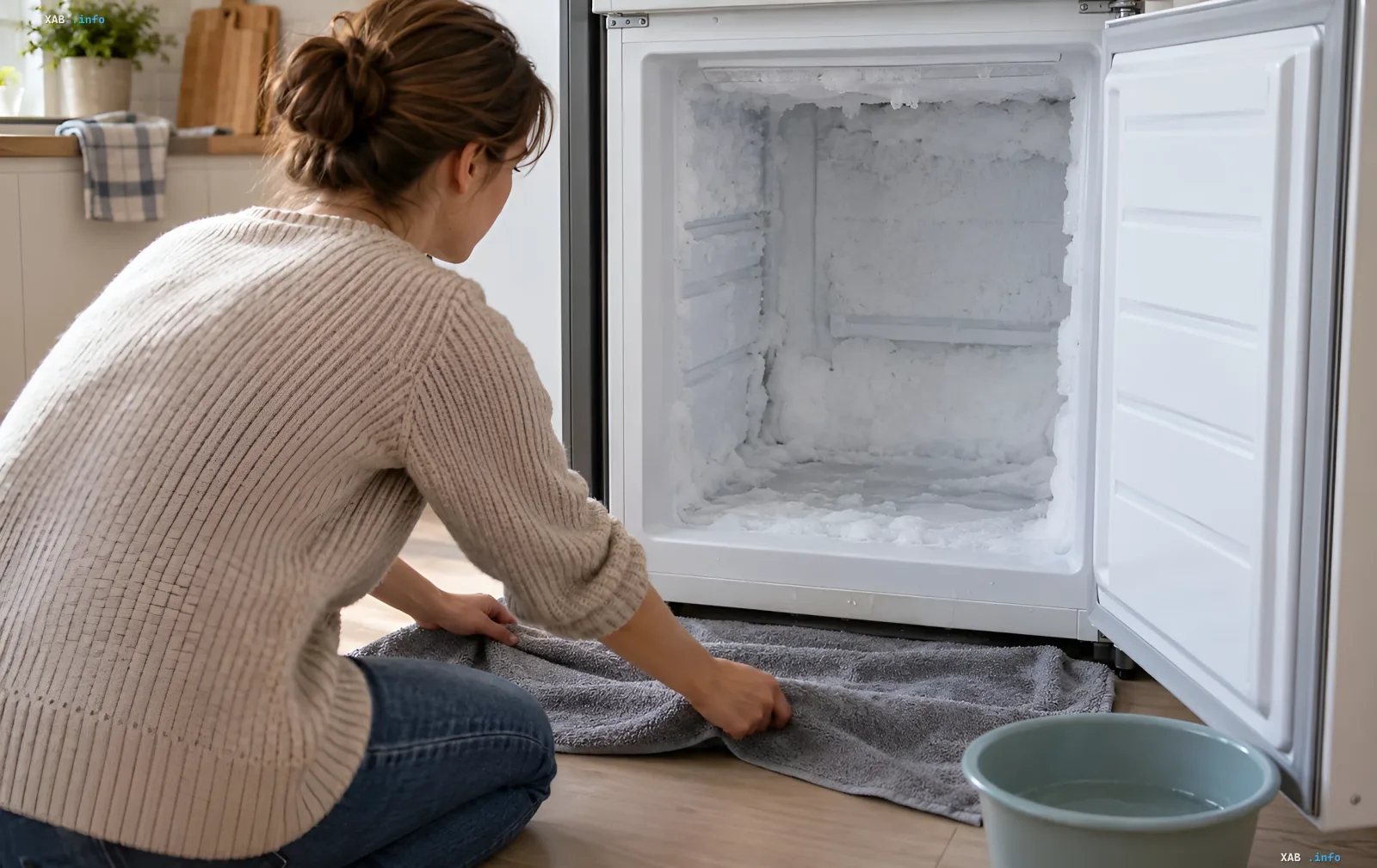
The accumulation of ice and frost in a freezer compartment is a common problem faced by many appliance owners. Such buildup not only reduces the usable storage space inside the chamber but also leads to increased energy consumption by the device. According to appliance manufacturers, the main causes lie in compromised door sealing, improper food storage, or blocked ventilation openings.
Main Causes of Frost Formation
When warm and humid air enters the freezer compartment, moisture instantly settles on the coldest surfaces and freezes. This often happens due to a door that is not completely shut, blocked by protruding containers, or hampered by a worn rubber seal. Additionally, hot or unpackaged food releases steam, which also settles as frost on the appliance walls.
No Frost Systems and Care Guidelines
Modern models featuring No Frost technology are equipped with an automatic defrost system that melts frost on the cooling elements on its own. However, if the drainage system malfunctions, water can accumulate and freeze at the bottom of the chamber. In manual defrost models, ice builds up gradually and therefore requires regular maintenance in accordance with the manufacturer's instructions.
Safe Defrosting and Food Storage Rules
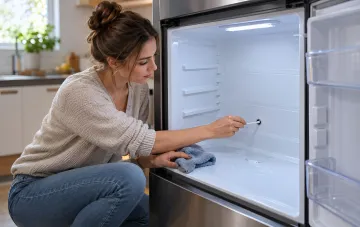
Home appliance manufacturers strongly advise against using sharp objects to chip away ice or using a hair dryer to speed up the process, as this can damage internal components. To ensure food safety, experts recommend maintaining a temperature of minus 18 degrees Celsius and checking the condition of stored items. If food has completely thawed and stayed in warm conditions for more than two hours, it is safer to discard it to avoid food poisoning.
Contradictory Data
When it comes to the re-freezing of food products, opinions and recommendations vary. Some experts and safe-storage charts allow for re-freezing if ice crystals remain inside the packaging and the temperature did not exceed plus four degrees. At the same time, official guidelines for certain perishable categories, such as ice cream or frozen yogurt, strictly mandate throwing them out even if ice crystals are still present, in order to completely eliminate health risks.