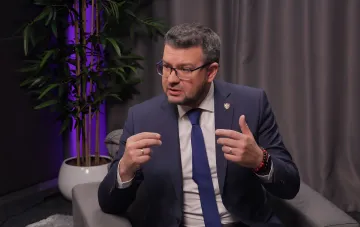
The capital of Ukraine still lacks full-scale memorial complexes dedicated to three fundamental figures of the domestic statehood: Hetman Ivan Mazepa, Head of the UNR Directory Symon Petliura, and Hetman Pavlo Skoropadsky. This issue of historical memory and the sacral space of the city has once again come into the spotlight following a resonant statement by the head of the Ukrainian Institute of National Memory (UINP), Oleksandr Alfierov.
The Problem of the Capital's Historical Pantheon
According to historian and UINP head Oleksandr Alfierov, speaking in an interview for the project “Don’t Interrupt!” with Volodymyr Kurennyi, the modern Ukrainian capital cannot afford to remain ideologically and sacrally incomplete. Despite the fact that figures of the princely era and Cossack times — such as Prince Volodymyr, Yaroslav the Wise, Hetmans Petro Sahaidachny, Bohdan Khmelnytsky, and Pylyp Orlyk — are decently represented in Kyiv, the key period of the liberation struggle and state-building of the 20th century remains at the periphery of memorial policy.
Contrast with the Soviet Past
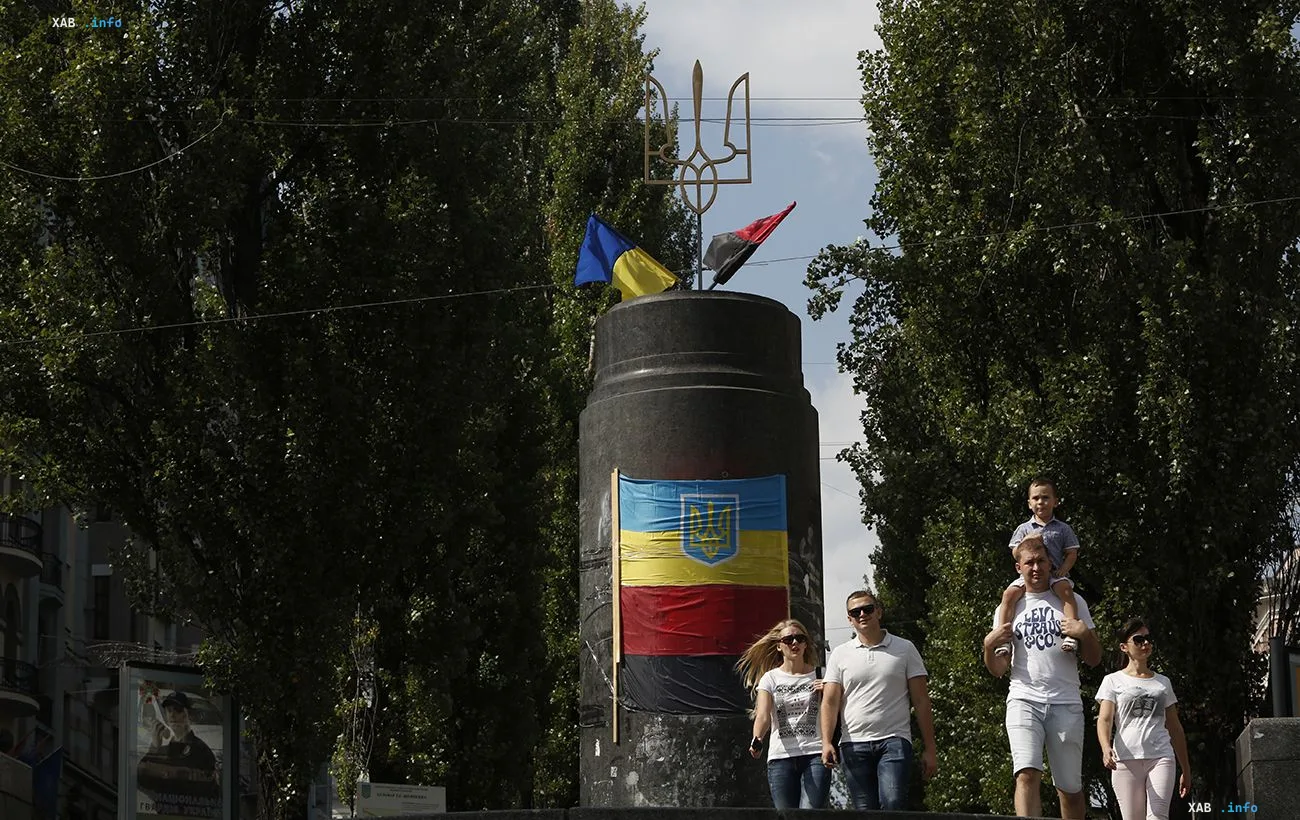
The expert expresses particular outrage over the fact that monuments to Soviet totalitarian leaders, specifically the monument to Vladimir Lenin on Bessarabska Square, dominated the very heart of Kyiv for decades and were dismantled only during the Revolution of Dignity in December 2013. Alfierov emphasized the paradox of the situation: society and city authorities tolerated foreign and destructive meanings for Ukrainian statehood for years, while the creators of national independence have still not received proper commemoration.
Plans to Change the Situation
Despite years of delay, long-awaited shifts are emerging in memorial policy. In June 2026, President of Ukraine Volodymyr Zelenskyy signed an official decree on preparations for erecting a monument to Hetman Ivan Mazepa. It is planned that the monument will appear precisely on Taras Shevchenko Boulevard — at the historical site freed from Lenin's statue. The best sketch is expected to be selected through a transparent open competition, while the financing of the project and improvement of the surrounding area will fall on the capital's budget.
Contradictory Data
While official decrees and statements by the country's leadership indicate a determination to correct historical injustice, critics and the expert community point to a chronic lack of political will at the level of Kyiv's city authorities. Discrepancies concern the pace of project implementation: while the UINP speaks of years of protracted inaction and softness of officials, urban bureaucrats cite complex procedural issues, red tape, and the need for coordination with urban planning councils, which slows down the processes of decolonization of public space.