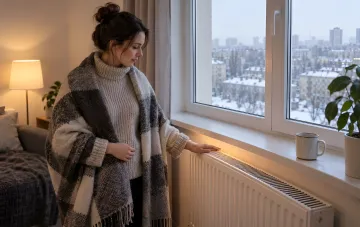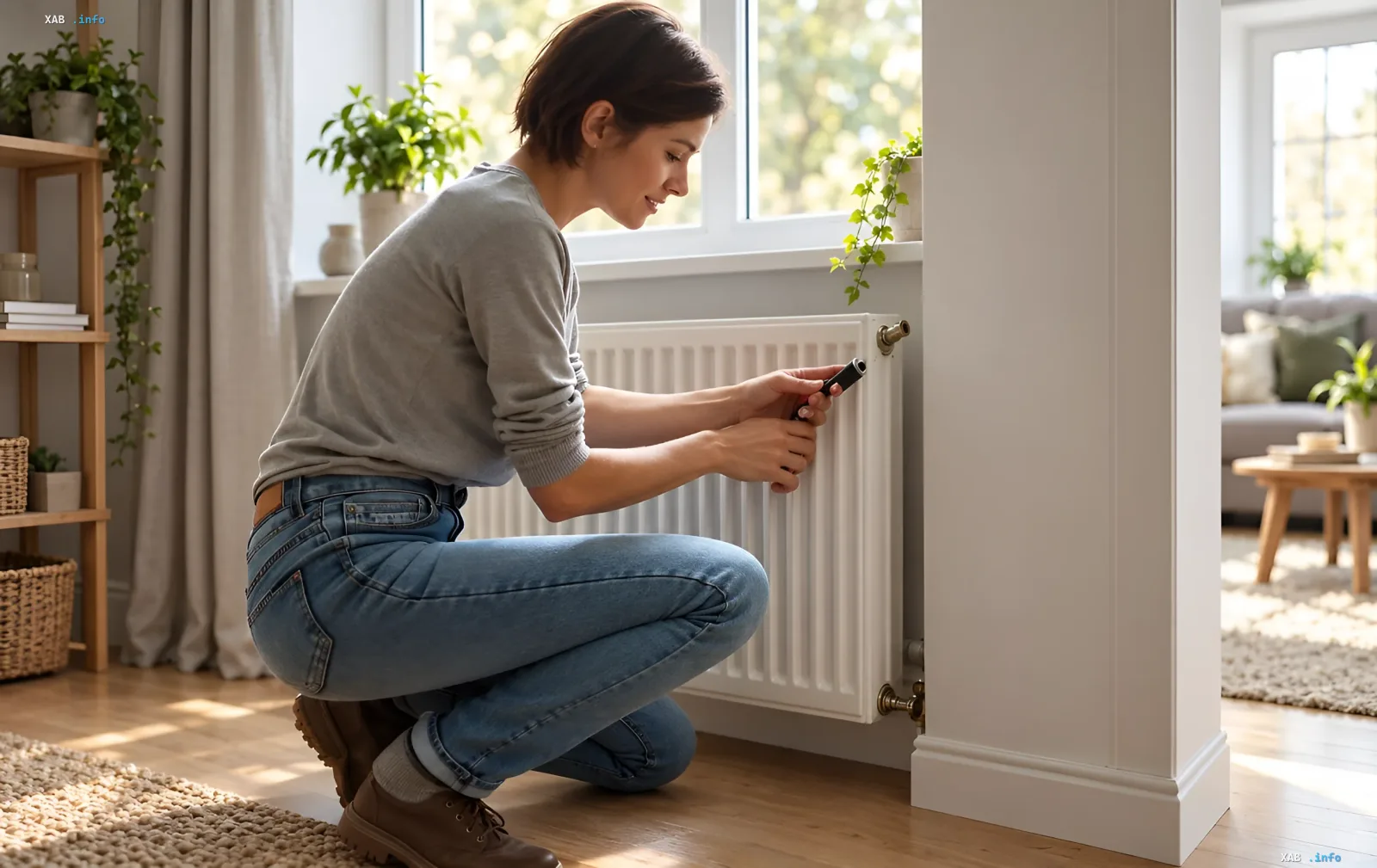
With the onset of the heating season, many apartment and homeowners face an unpleasant issue where radiators heat up unevenly. A characteristic sign of the problem is when the top part of the radiator remains hot, while the lower section stays uncomfortably cool. Heating experts note that such an imbalance does not always indicate a simple airlock in the system that requires standard air bleeding.
Causes of Uneven Radiator Heating
As specialists in engineering companies explain, during normal heating operation, the heat carrier must circulate freely through the internal channels of the radiator, ensuring uniform heat transfer across the entire surface. If the lower zone stubbornly remains cold, it indicates a serious obstruction or complete cessation of water circulation in the lower part of the device. The main culprit in such scenarios is usually sludge—a sediment of corrosion products, scale, and technical impurities.
Peculiarities of Sediment Formation in Heating Devices
In traditional cast-iron and modern steel heating systems, iron oxides and other suspended particles inevitably form during operation. Over time, these heavy fractions, under the influence of gravity, settle specifically at the bottom of the radiators, gradually narrowing internal channel clearances or completely blocking them. As a result, hot water simply cannot physically reach the bottom, washing only the upper cavity of the device. It is important to distinguish this issue from airlocks: if the very top of the battery is cold, a standard Mayevsky vent helps, but with a cold lower part, these manipulations are useless.
Contradictory Data
There are different opinions regarding the methods of eliminating such malfunctions at home. Some repair teams insist that homeowners can independently dismantle and flush the problematic radiator using a strong water pressure after completely shutting off the risers. At the same time, independent experts and heating equipment manufacturers strongly recommend against performing independent disassembly of complex systems without specialized skills, warning of the risks of damaging connections, flooding neighbors, or disrupting the general hydraulic balance of an apartment building, advising to entrust flushing exclusively to qualified masters.
Diagnostics and Prevention of Heating Problems
Experts advise assessing the scale of the problem: if only one specific radiator in the house remains cold, the issue is localized inside it and requires flushing or replacement. If similar symptoms are observed on several batteries in different rooms, the problem is systemic and requires comprehensive flushing of risers or mains of the entire building. For effective prevention, experts recommend using special chemical corrosion inhibitors that slow down metal oxidation processes, as well as installing high-quality coarse dirt filters capable of trapping dangerous fractions before they enter the radiator blocks.