
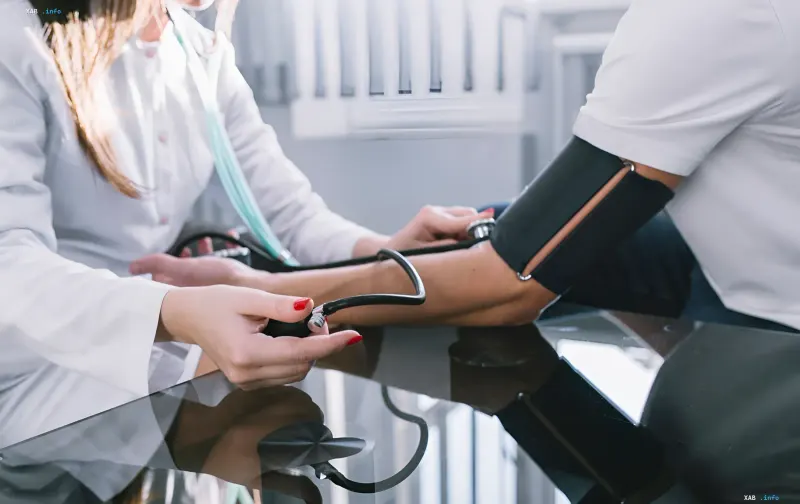
Home blood pressure monitoring has become a routine part of health care for millions of people. It is indeed an effective way to detect hypertension in time — a condition often called the “silent killer” due to its lack of obvious symptoms but high risk of heart attacks and strokes. However, even the most accurate device can show incorrect data if the measurement protocol is not followed.
As experts have found, based on data from the American Heart Association, one of the main causes of falsely elevated readings is a physiological factor that many ignore: a full bladder.
The “full bladder” effect: how the body tricks the device
Medical professionals warn: measuring blood pressure with a full bladder is a serious methodological error. This factor can artificially raise systolic (upper) pressure by as much as 33 mmHg.
Imagine this scenario: a person with perfectly normal blood pressure of 120 mmHg sees a frightening number of 153 on the monitor. The difference is huge and could cause unnecessary panic or even lead to taking medication that isn’t needed.
The reason for this spike lies in the nervous system. A full bladder actively stimulates the sympathetic nervous system. This triggers a reflex constriction of blood vessels, which leads to a sharp rise in blood pressure. As soon as the person uses the restroom, this stimulus disappears, and readings return to normal. Therefore, visiting the toilet before putting on the cuff is not just a matter of comfort — it’s a mandatory condition for accurate measurement.
Four rules for accurate measurement
An empty bladder is only the first step toward a reliable result. Specialists from leading medical organizations recommend following a clear protocol to eliminate the influence of external factors on the device’s performance.
To obtain objective data, you must follow four simple conditions:
- Empty bladder. You must empty your bladder immediately before the procedure.
- Five-minute rest. Before measuring, sit quietly and relaxed for at least 5 minutes. This allows your pulse and blood pressure to stabilize after any physical activity.
- Correct posture. Your back should be straight, legs uncrossed, and the arm with the cuff should be at heart level.
- Absolute silence. While the monitor is working, do not talk, watch TV, or get distracted by your phone.
Remember: if the first result is unusually high, do not immediately take medication. Doctors advise waiting a few minutes and repeating the measurement. Only after a series of stable readings should clinical decisions be made.
Following these simple rules ensures that your home device will show your true health status — not a temporary physiological spike.