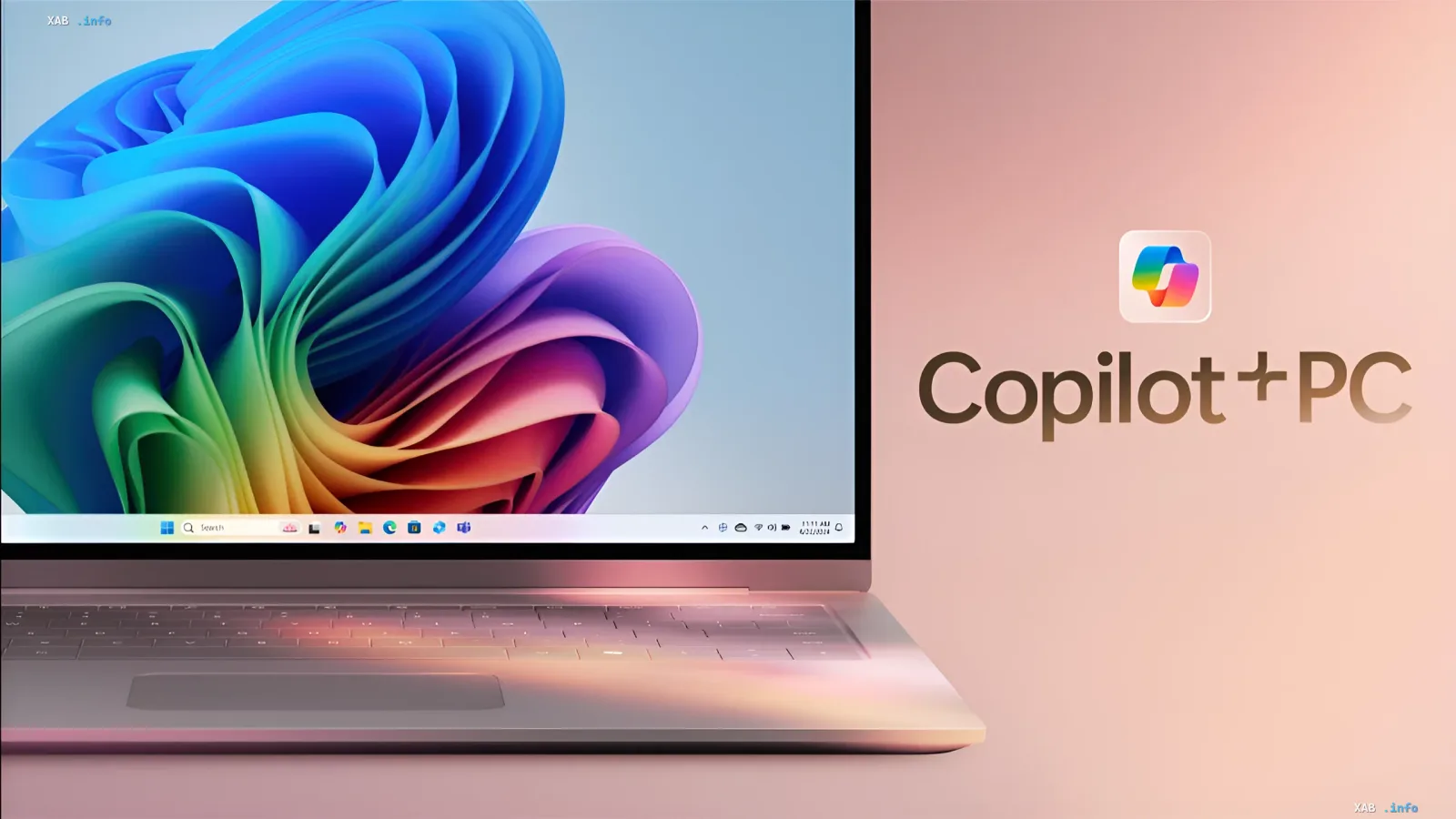
In August 2026, Microsoft continues its active work on optimizing Windows 11, aimed at improving performance on budget devices with 8 GB of RAM. However, according to leaked specifications for the new Lenovo IdeaPad Slim laptop line, these efforts will not make such configurations compatible with the Copilot+ ecosystem. Despite the presence of modern AMD Ryzen AI processors with built-in neural chips, models with 8 GB of RAM are officially marked as non-Copilot.
Hard Barrier: 16GB RAM as a Mandatory Requirement
To run local AI tools of Copilot+, such as the Recall feature (remembering user actions) or image generation, a minimum of 16 GB of RAM is still required. This creates a situation where even the presence of a powerful processor with an NPU (neural processing unit) does not guarantee access to key features if there is insufficient RAM. The Copilot+ ecosystem is strictly tied to memory volume, making it impossible to launch advanced neural network algorithms on budget builds.
Soldered Memory Problem and Lack of Upgradeability
The situation is exacerbated by the architectural decisions of laptop manufacturers. In many affordable models, LPDDR5X memory is soldered onto the motherboard, completely depriving users of the ability to expand RAM volume in the future. A buyer who chooses a budget version with 8 GB remains permanently on the sidelines of artificial intelligence capabilities, even if they have the desire and means to upgrade. This turns 8 GB into a "dead end" for those who counted on Copilot+ functionality.
Contradictory Data: Importance of Optimization vs. Marketing
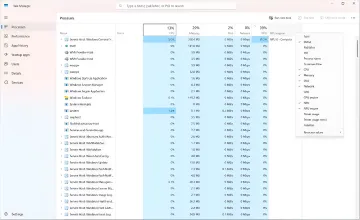
There is a discrepancy in priorities between marketing promises and real user needs. On one hand, manufacturers and Microsoft are promoting the concept of AI personal computers, emphasizing processors with neural chips. On the other hand, for most buyers of base systems, overall system lightness and responsiveness are far more important than AI features, which, according to analysts, are used by only a few. Mass-market users face the fact that standard Windows 11 applications, such as "Weather," can consume up to 1.6 GB of RAM, and the OS itself can occupy up to 70% of available memory at idle. Users will clearly value a reduction in the system shell's appetite higher than a built-in AI that is inaccessible due to lack of memory.
Usage Reality: Optimization as a Priority
Thus, Microsoft's current strategy looks like a compromise: the system will work faster and smoother on 8 GB, but without access to the "features" of the future. This is an honest approach to market segmentation, where budget devices remain tools for basic tasks, not platforms for complex generative work. Optimizing Windows 11 for 8 GB of RAM will likely allow reducing background load and making work with browsers and office applications more comfortable, which is a critically important factor for the mass user in 2026.