The mushroom season is associated with porcini, chanterelles and oyster mushrooms, but even well-known species can turn out to be dangerous if the specimen is old, damaged, or grew in an unsuitable place. Moreover, some of the familiar "checking" methods used by foragers actually prove nothing. We break down the nuances you should know before heading into the forest, relying on the recommendations voiced by the Ministry of Health, the State Service of Ukraine on Food and Consumer Protection, and local authorities.
The worm myth: why a "worm-eaten" mushroom doesn't mean it's safe
The common belief goes: if worms are eating the mushroom, it's definitely not poisonous. However, the presence of worms is not a way to determine edibility. Similarly, you cannot draw conclusions about safety based on smell, taste, or the external appeal of the specimen. The Ministry of Health advises collecting only those mushrooms that a person knows well, and to immediately reject them at the slightest doubt. A categorical ban on tasting wild mushrooms raw is also emphasized: you should not bite off a small piece "to test" in order to figure out what you have in front of you.
Drought and heat: a hidden risk even for familiar species
This is one of the less obvious but important nuances. The State Service on Food and Consumer Protection and the Ministry of Health specifically warn against collecting mushrooms in dry weather. The explanation is simple: under such conditions the mushroom loses water, and the concentration of toxic substances in its tissues may increase. Therefore, even a familiar and well-known species is best left out of the basket during heat and drought — the familiar "native" shape here does not protect against elevated toxin levels.
Mushroom age: why neither too young nor old specimens are suitable
Small mushrooms often seem the best to collect — they are young, clean, and look appealing. But very young specimens may not yet have clearly expressed features by which the species is identified at all, which increases the risk of error. Official recommendations therefore advise against taking either too young or old, overripe mushrooms: in the first case the species features are unclear, in the second the mushroom is no longer that "clean" sample that is easy and safe to identify.
Where you should not collect: the ecology of the site matters more than the species
Even an edible mushroom should not be collected near highways, industrial enterprises, landfills, and other contaminated areas. Mushrooms are capable of accumulating various pollutants, including heavy metals, so the collection site is a full part of the safety assessment, not a secondary factor. A beautiful porcini by the roadside may be "clean" in terms of species but dangerous in terms of where it grew.
A basket instead of cellophane: how not to spoil your catch in the forest
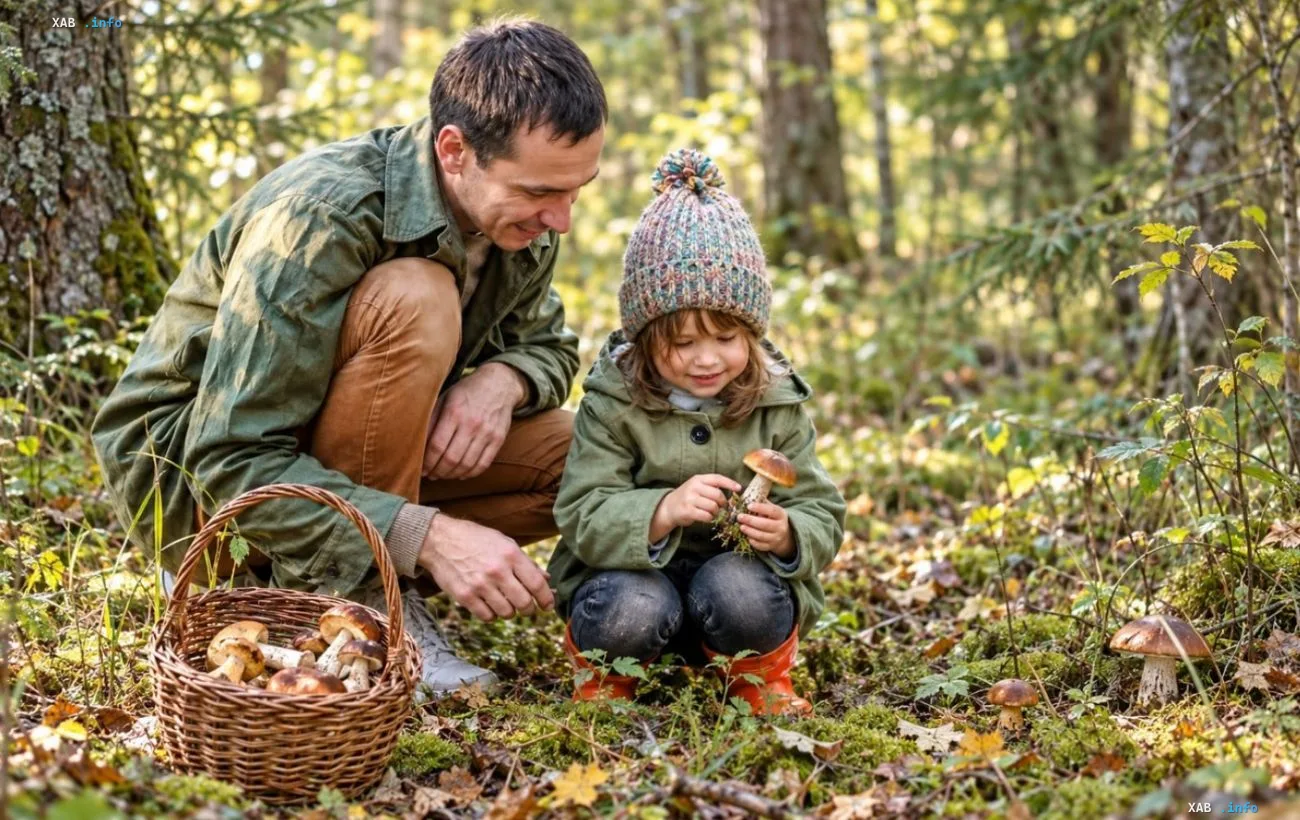
This is not just a tradition. In a woven basket air circulates between the mushrooms, whereas in a cellophane bag they can rot faster. The Lviv District State Administration recommends using woven baskets or bags made of natural material, rather than cellophane bags, for collection. The right container preserves both the quality and the appearance of the mushrooms, which matters for further assessment at home.
What to do at home: sorting and cooking deadlines
Even if you were absolutely sure of your "catch" while collecting, it is advised to sort the mushrooms once more upon returning from the forest. The Ministry of Health recommends carefully inspecting all specimens and, without regret, discarding the doubtful ones, and to cook the collected mushrooms within the first day. This brings us to the main rule of quiet hunting: it is better to leave a mushroom in the forest that you are unsure about than to try to find a way to check it at home.