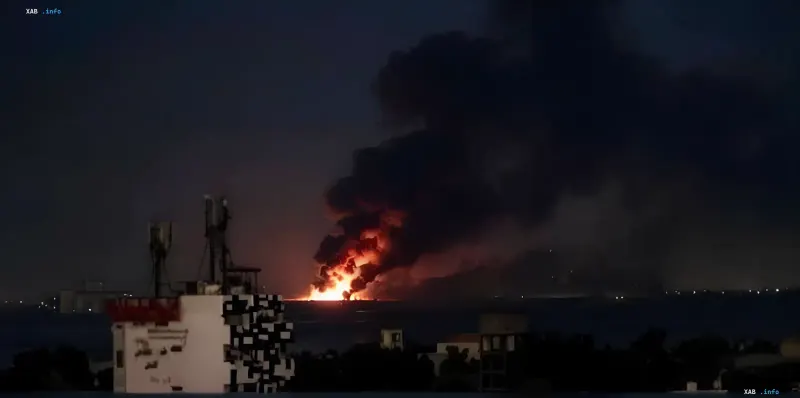
The situation in Yemen continues to escalate rapidly amid fierce clashes between government forces and Houthi movement fighters. Over the past 24 hours, the strategic city of Taiz in southwestern Yemen has become the epicenter of the confrontation. The conflict in this region not only claims the lives of dozens of people but also poses serious threats to global shipping lanes and energy supplies passing through the Red Sea.
Fierce Battles in Taiz and Massive Casualties on Both Sides
According to Yemeni government sources, clashes with Houthi forces in Taiz over the past 24 hours resulted in the deaths of 26 soldiers. Meanwhile, Houthi military sources reported that at least 55 of their fighters were killed while repelling attacks. The total death toll for the day, according to official reports from both sides, exceeded 80 people, highlighting the unprecedented intensity of the current phase of armed confrontation.
Contradictory Data
Of particular note for analysts is the stark discrepancy in estimates of massive losses and airstrikes. Yemeni armed forces officially stated that over the same period they launched 474 airstrikes, allegedly killing 1,540 Houthi members—mostly in the Taiz area—and destroying 216 pieces of military equipment. On the other hand, the Houthi movement presented completely different statistics, claiming that Saudi forces launched only 94 airstrikes over the day, bringing the total number of attacks since the resumption of hostilities to 1,350. Such information discrepancies make it difficult to objectively assess the scale of destruction on the ground.
Strikes on Saudi Arabian Territory
The conflict has long extended beyond Yemen's land borders. On the night of October 2, Houthi forces launched a series of missile and drone attacks on border areas of Saudi Arabia. Representatives of the Saudi General Directorate of Civil Defense reported that debris from an intercepted ballistic missile fell in the Aseer province, injuring a local resident and damaging several vehicles and a prayer room. Coalition air defense systems also intercepted several ballistic missiles over Khamis Mushayt and drones targeting infrastructure. In Najran, a strike object fell on a school, causing material damage but no casualties.
Financial Support and Humanitarian Context
Against the backdrop of ongoing humanitarian and economic challenges facing the Yemeni government, Saudi Arabia recently allocated more than 224 million riyals (approximately $60 million) to support the state budget. This funding, provided through the Saudi Development and Reconstruction Program for Yemen, aims to strengthen the legitimate government's financial stability, improve fiscal management, and support the purchasing power of the population facing the severe consequences of the long-standing armed conflict.