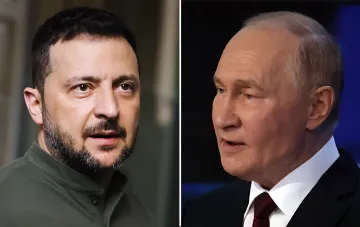
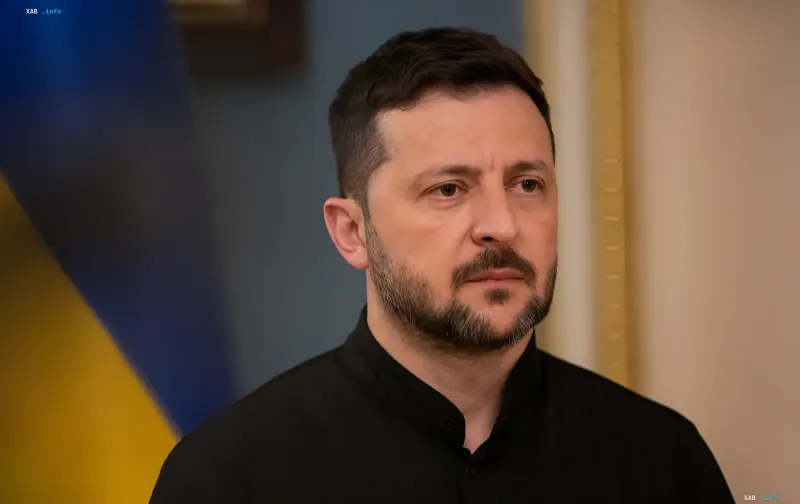
Ukrainian President Volodymyr Zelensky, in a comment to journalists, outlined the time frame that Kyiv considers optimal for a diplomatic settlement of the conflict. According to him, the 'corridor of opportunities for ending the war' stretches from the G20 summit in the United States of America, scheduled for December, to the end of summer 2027. The key benchmark, in the words of the head of state, is the start of the US presidential election campaign: it is precisely until that moment, he emphasized, that diplomacy, in Kyiv's assessment, is at its most active stage and capable of leading to the end of the war.
'Corridor of opportunities': from the G20 to summer 2027
Zelensky explained the logic behind the chosen time window, noting that after the start of the US presidential elections, the diplomatic agenda, in his view, loses its momentum. 'We believe that today is the most active stage at which diplomacy can lead to the end of the war. That is the end of this year and until the end of summer 2027,' he stated. The President also warned that if negotiators fail to agree on the key parameters before the US elections, the reason for the failure will be 'entirely understandable.'
Kyiv's position on negotiations and contacts with Washington
Against the backdrop of these statements, Kyiv continues to intensify the diplomatic track. Recently, Zelensky confirmed that the United States has received new proposals from Ukraine for ending the Russian war. In parallel, the Ukrainian Ministry of Foreign Affairs reported that it is already awaiting the first visit to Kyiv by the team of US President Donald Trump. Thus, the Ukrainian side ties the realization of the 'corridor of opportunities' to the personal contact level and the preparation of negotiators for specific agreements within the stated deadlines.
Moscow's reaction and position on a 'freeze'
In Moscow, they declared readiness to resume peace negotiations, but set one condition. Meanwhile, the Kremlin once again confirmed that no 'freezing' of the war against Ukraine is planned, and earlier the Russian side reportedly indicated that it would not agree to a 'freeze' of hostilities without eliminating the so-called 'root causes' of the conflict. Zelensky, for his part, linked Moscow's reluctance to engage in dialogue to an intention, in his wording, to constantly demonstrate strength and a drive toward maximum escalation, adding that Kyiv is discussing this assessment with European partners.
International context: the Astana initiative
Additional context for the negotiation agenda is provided by the recent initiative of Kazakh President Kassym-Jomart Tokayev, who, in a personal meeting with Vladimir Putin, proposed to 'freeze' the war and return to the terms of the 2022 Istanbul negotiations. According to available information, the Russian leader apparently used this meeting to justify the continuation of hostilities. The totality of these signals — from the Astana initiative to the positions of Kyiv and Moscow — forms the backdrop against which Zelensky defines his 'corridor of opportunities.'
Contradictory data
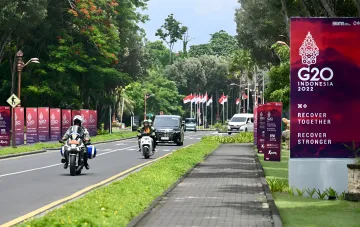
When cross-checking the statements against sources, a discrepancy is found in the reference to the G20 summits and in the time frames. In the text of Zelensky's statement, the 'corridor of opportunities' is counted from the G20 summit in the United States in December (that is, from the December 2026 summit, which had not yet taken place at the time of publication). At the same time, one of the external sources cited (RFI) dates to 2022 and describes Zelensky's speech at the G20 with a proposal for a ten-point 'formula for peace' — that is, it refers to a different, earlier summit and a different format of initiative. Thus, the version of a 'December G20 in the US' and a 'corridor until summer 2027' is confirmed primarily by a Ukrainian source (RBC-Ukraine), whereas the external RFI material records a different edition of the G20 and a different negotiation formula, which requires careful interpretation when comparing dates and formulations.