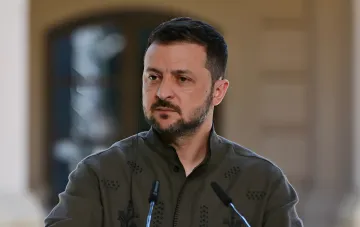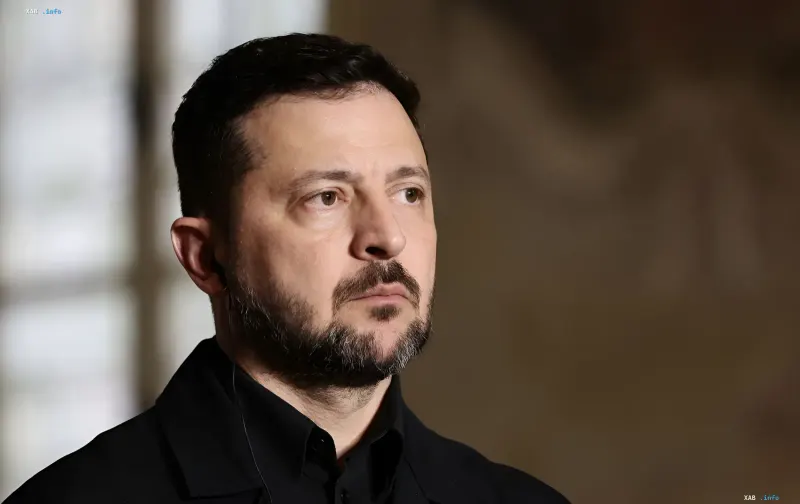
Ukraine is preparing to begin the first stage of testing the Freyja anti-ballistic system, which Kyiv is developing jointly with European allies. As President Volodymyr Zelensky stated, the first tests, by his estimate, should begin by the end of December 2026. Commenting on the pace of work, the head of state emphasized: “Time is short.” The statement came against the backdrop of the active involvement of new European companies in the project — according to Zelensky, a number of agreements were recently signed, though he did not disclose their details.
European partners and the Canadian visit
During his visit to Canada, Zelensky said that Ukraine plans to have a new anti-ballistic system at its disposal by the end of the current year. He cited a characteristic dialogue with industry representatives: “The companies told us that they need 20–30 years for this, for a new ballistic system. I said that we do not want such a long war. Absolutely not. That is about a different world, that is about the 20th century. Now there are new technologies, a new Ukraine, and we can do all of this faster. And we expect that by the end of this year we will have the first system.” Thus, Kyiv intends to compress a multi-year development cycle into the span of a single year, relying on new technologies and allies.
New York, Patriot, and dependence on supplies
Zelensky expects that during the meetings scheduled for the end of September 2026 in New York, Ukraine will gain a clearer understanding of the further action schedule under the Freyja program. At the same time, Kyiv is counting on additional Patriot air defense systems: according to Ukrainian media, the president indicated that the country needs 100–120 Patriot missiles per month for the winter. At the same time, Zelensky emphasized that Ukraine trusts the American side, in particular thanks to U.S. support in developing and implementing technologies. The diplomatic backing of the project also deserves separate attention: earlier, Zelensky held talks with the Prime Minister of Norway regarding the Freyja program, which confirms the multi-vector nature of the European coalition around the system.
Threat of sabotage by Russia
The president also warned that Russia would try to obstruct the implementation of the project and “throw in some kind of nonsense” to delay the unification of partners. This statement indicates that Kyiv views Freyja not only as a technical but also as a geopolitical and informational task, requiring protection from external pressure and destabilization within the coalition.
Contradictory data
In Zelensky’s statements and in the previously published plans of the contractor, there are inconsistencies in the timelines. On the one hand, the president speaks of the start of the first Freyja tests by the end of December 2026 and of the fact that “by the end of this year” Ukraine will have “the first system.” On the other hand, it was previously reported that the company Fire Point plans to carry out the first interception of a ballistic missile under the Freyja project only by mid-2027. In other words, a gap remains between “the first system at the end of 2026” and “the first interception in mid-2027,” which may be explained by the difference between stages (start of testing, formation of the system, and combat interception); however, in public statements these milestones are presented as close together, which creates a risk of confusion over the actual timelines for combat readiness.