Ukrainian President Volodymyr Zelenskyy, while on a visit to Washington, personally reacted to a key event in the US Congress. The US Senate held a procedural vote on the anti-Russian sanctions bill, marking an important step towards their final approval. This was reported by the press service of the head of state.
Meeting with Senate Leaders
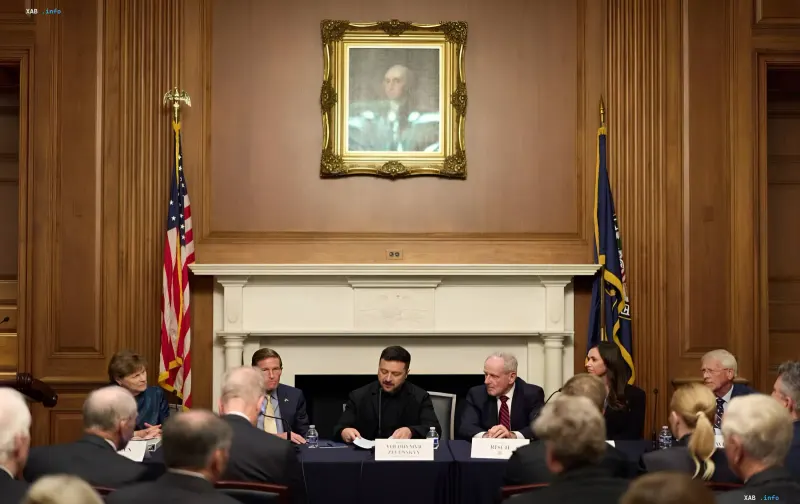
Before the voting began, the Ukrainian leader held a meeting with representatives of both Senate parties. During the negotiations, a wide range of issues were discussed, but the main priority for Kyiv remained the topic of anti-ballistic defense. Footage of this meeting, demonstrating the seriousness of the parties' intentions, has already been published by the press service.
Tribute to the Memory of Lindsey Graham
The date of the vote adds special symbolism to this event — July 29. On this same day, the US bid farewell to Senator Lindsey Graham, who made tremendous efforts to develop this package of restrictions. It was his initiative that formed the basis of the document, which is now going through the final stages of coordination.
Volodymyr Zelenskyy called it an honor to be present during the vote count. According to him, the document was supported by 86 senators. The President emphasized that this is not only the first step towards realizing the late Graham's plans but also a real step towards peace. "It is important that this tool works," noted the head of state.
Approval Mechanics and Sanctions Content
Despite the success of the first stage, the path to the sanctions coming into force is not yet complete. To finally approve the bill in the Senate, a repeat vote must be held before August, where support must be unanimous. Only after that will the document be sent to the House of Representatives.
The so-called "hellish sanctions" of Graham, directed against Russia and Iran, provide for strict measures:
- Restrictions against Russian officials and financial institutions;
- Blocking of "shadow fleet" vessels;
- Granting the US President the right to impose targeted tariffs against third countries purchasing Russian energy carriers.
These measures are designed to increase economic pressure on the aggressor state and limit its ability to finance military operations.