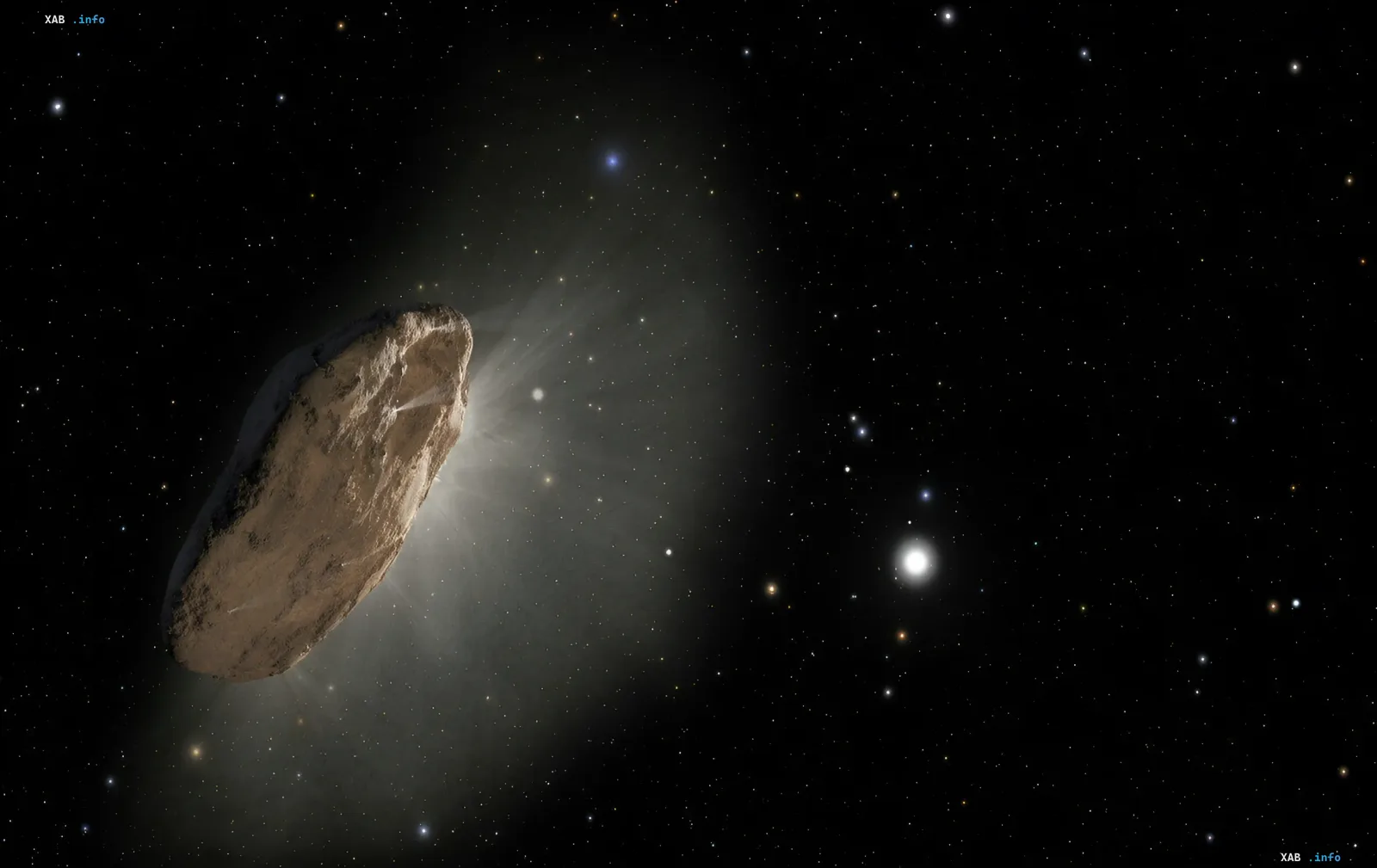
A meteorite crater hidden deep underground in Oklahoma, USA, for millions of years has long misled geologists. Recent large-scale studies have shown that the dating of this monumental cosmic catastrophe was off by roughly 100 million years, completely shifting the scientific understanding of its role in Earth's history.
Redating the Ancient Cataclysm
The subsurface depression, measuring about 16 kilometers in diameter, was discovered back in 1991 using seismic surveying methods, as it is securely hidden beneath 2.7 kilometers of sedimentary rock. For a long time, the object's age was determined by a fossilized conodont tooth—an ancient eel-like creature. This methodology linked the impact to the Ordovician meteorite bombardment that occurred 467.5 million years ago.
A Breakthrough in Mineral Analysis
However, a team of scientists led by Elizabeth Catlos from the University of Texas at Austin, in collaboration with specialists from NASA's Johnson Space Center, applied advanced analytical methods. The researchers examined zircon crystals using cathodoluminescence and electron backscatter diffraction, analyzing uranium-lead and thorium-lead decay. It turned out that the true age of the crater is about 370 million years. The fossilized conodont teeth had simply ended up in the shattered rock during the massive explosion.
Link to the Late Devonian Extinction
It has been established that the collision occurred during the massive Late Devonian extinction period. The asteroid impact was not the sole factor in the crisis, but it could have acted as a powerful trigger accelerating the decline of ancient ecosystems. Among other causes, scientists cite ocean oxygen depletion, supervolcanism, and even a potential supernova explosion near the solar system.
Geological and Economic Consequences
At the time of the asteroid impact 370 million years ago, the territory of modern Oklahoma was covered by a shallow sea, which explains the accumulation of the thick sedimentary layer. Furthermore, the cosmic impact left an economic footprint: the destruction of the Earth's crust created fractures through which oil and natural gas migrated into upper layers. Since 1991, 17.4 million barrels of oil and 2.25 billion cubic meters of gas have been extracted from the area.