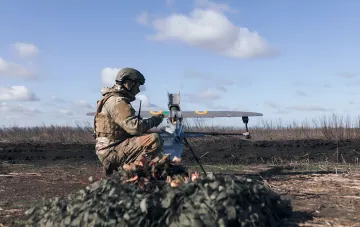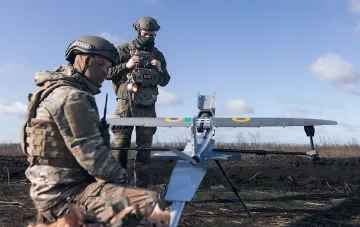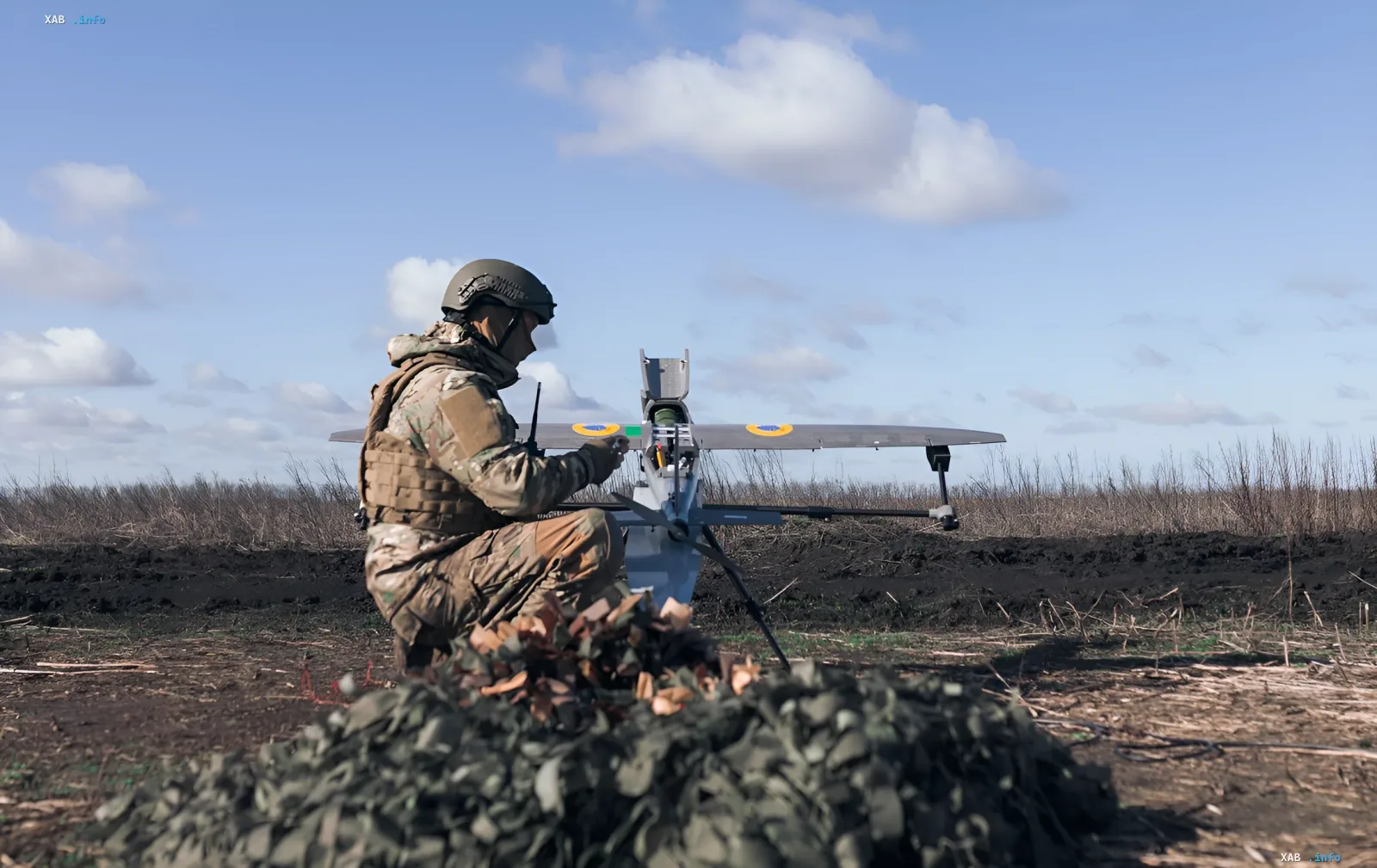
Ukrainian Defense Forces carried out a large-scale series of strikes on strategically important Russian military infrastructure objects on the night of August 12, 2026. According to an official statement from the General Staff of the Armed Forces of Ukraine, published in the department's Telegram channel, Ukrainian unmanned aerial vehicles (UAVs) inflicted precise damage on a control repeater for 'Geran' strike drones in occupied Crimea. This strike became a key element of the operation aimed at disrupting the Russian unmanned system control network.
Disruption of 'Geran' Control Channels
According to the General Staff, the destruction of the repeater in Crimea deals a significant blow to the capabilities of the Russian Armed Forces. Repeaters are critical nodes in the architecture of controlling 'Geran'-class UAVs, allowing for the extension of their range and maintaining communication with drones over long distances. The strike on this object, according to Ukrainian command, significantly limits the adversary's ability to control strike drones, which directly affects the intensity and accuracy of Russian attacks on Ukrainian territory.
Strike on Novorossiysk: Firestorm in the Port
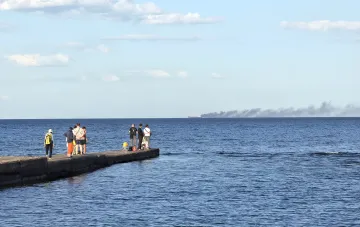
As part of the same night operation, the Ukrainian Defense Forces struck the naval base in Novorossiysk — the last major stronghold of the Russian fleet in the Black Sea. To accomplish this task, 'Palianytsia' jet drones, 'Neptune' cruise missiles, and unmanned maritime systems were deployed. The General Staff confirmed hits on air defense positions, piers, and critical port infrastructure. The NASA satellite monitoring system recorded thermal anomalies in several points of the city, indicating large-scale fires.
Economic Consequences: Logistics Halted
In addition to purely military targets, the strikes caused significant damage to the adversary's economic logistics. The Russian grain terminal Demetra Holding in Novorossiysk was forced to suspend operations immediately after the attack. This event highlights the dual nature of the operation: inflicting damage on combat capabilities and destabilizing rear logistics. Furthermore, facilities of the 'Chornomornaftogaz' company were struck in Crimea, creating risks for the region's energy security.
Contradictory Data
While the Ukrainian side claims the complete destruction of the repeater and massive fires in Novorossiysk, Russian sources present a different picture. In particular, the TASS agency reports that the Russian Armed Forces allegedly struck four cargo ships and a bulk carrier of the AFU, attempting to shift the focus to Russian successes. However, independent satellite imagery and fire data confirm the version of significant damage inflicted by Ukrainian forces on the port infrastructure of Novorossiysk. The discrepancy in damage assessments and the status of struck objects remains a subject of information warfare.
Strategic Context of the Operation
The General Staff of the Armed Forces of Ukraine emphasizes that striking these objects weakens the adversary's capabilities not only in drone control but also in maintaining military equipment and ensuring the activities of their units. Strikes on Crimea and Novorossiysk demonstrate Ukraine's ability to strike at significant distances and hit targets previously considered impregnable. This sets a precedent for further operations to neutralize Russian drone control infrastructure.