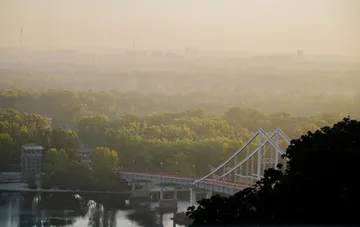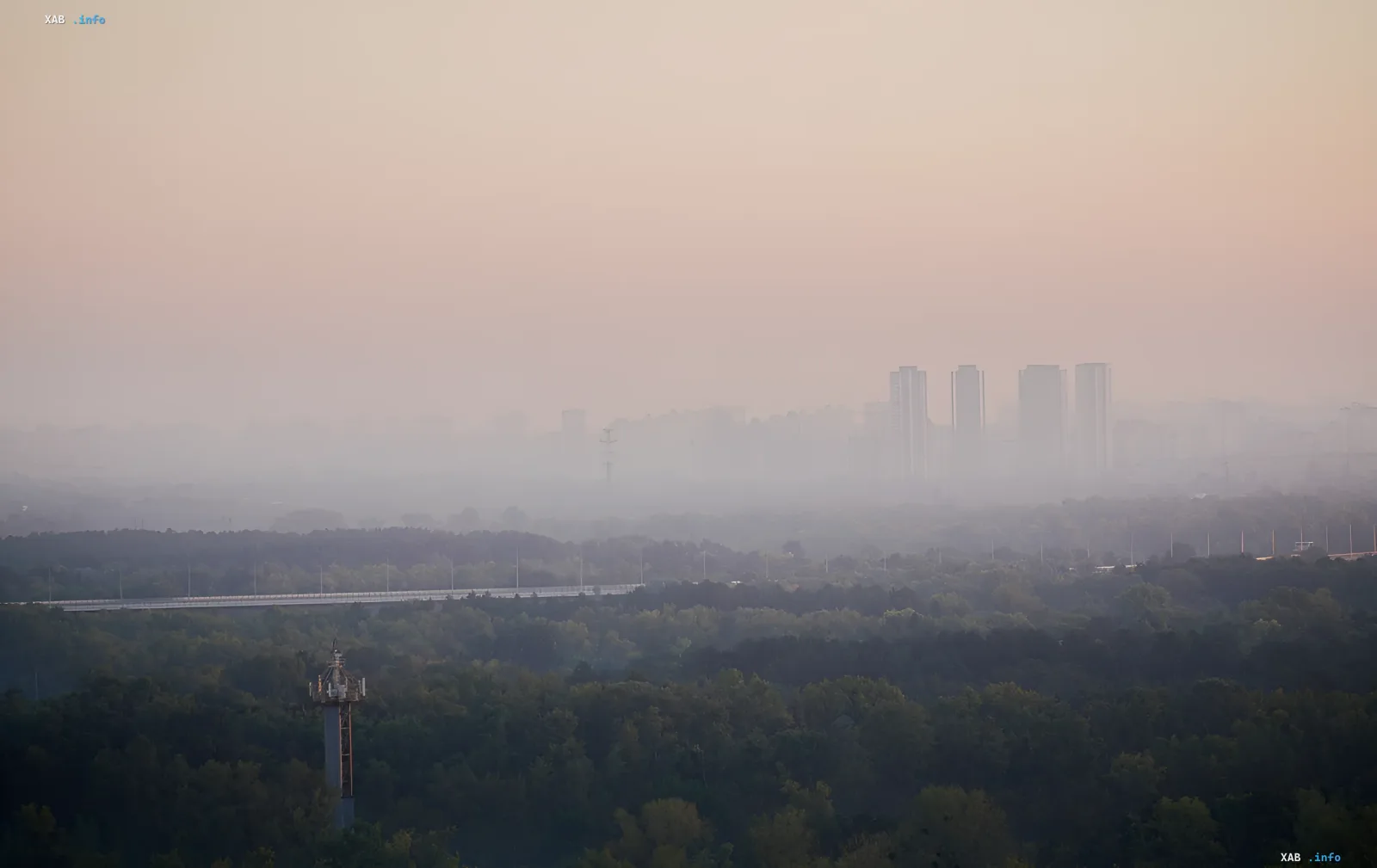
In several settlements in Kyiv Oblast — in particular in Ivankev and Borispil — the quality of ambient air has temporarily deteriorated. This is reported by the Kyiv Oblast Military Administration (OMA), citing the results of round-the-clock monitoring, according to the publication. Preliminary data indicate that the main pollutant is fine particulate dust in moderate concentrations, which can cause minor breathing discomfort in people sensitive to irritation. In the other settlements under monitoring, no exceedances of permissible levels of chemical or biological substances in the air have been recorded, and the gamma radiation level in the region is consistent with the natural background.
What the observations showed
According to the data released, the deterioration is local and temporary in nature and is linked to physical air pollution — fine particulate dust — rather than to any chemical or biological impact. This is why the OMA recommends that residents of the affected settlements close their windows and, where possible, reduce their time spent outdoors. Importantly, the radiation background in the region remains within natural limits, ruling out a radiation threat scenario in the monitored area.
Contradictory data
There is a discrepancy in the scale of the phenomenon between the original wording and the headlines of several media outlets. The original message refers to two specific settlements — Ivankev and Borispil. Meanwhile, the headline of the UNN publication (unn.ua) states that "air quality deteriorated in six cities of Kyiv Oblast after the Russian attack." Thus, one version limits the affected zone to two locations, while the other expands it to six cities. The official list of all affected settlements is not fully disclosed in the provided materials, so the exact number of settlements with confirmed deterioration remains inconsistent at the time of publication.
Context: the night attack and its aftermath in Kyiv
The deterioration in air quality coincided in time with a large-scale night attack. According to available data, on the night of 2 September Russia struck with Iskander-M ballistic missiles and Kh-59/69 cruise missiles, and launched 174 strike drones. Air defense reportedly destroyed or suppressed 141 hostile targets. On the morning of 2 September, a drone hit a residential building in the Shevchenkivskyi district of Kyiv, causing a fire and casualties; on the same day, the territory of an educational institution caught fire in the Holosiivskyi district. It is typically the aftermath of such strikes and the operation of air defense that becomes the source of short-term dust pollution of the air in the surrounding areas.
Recommendations and further monitoring
Until the indicators stabilize, residents of the affected settlements are advised to keep their windows closed and limit their time outdoors, especially people with heightened sensitivity of the respiratory tract. The OMA continues round-the-clock monitoring of ambient air, and updated data on air quality and the radiation background are published as they become available. Readers are recommended to rely on the official statements of the oblast military administration, as a discrepancy in the list of affected settlements persists in open sources for now.