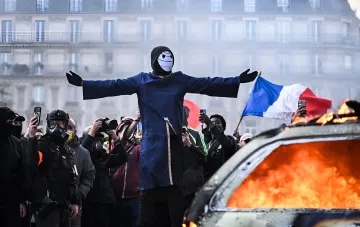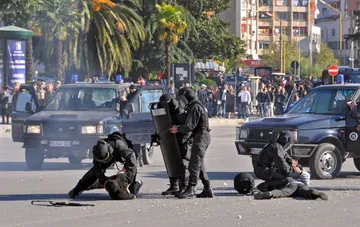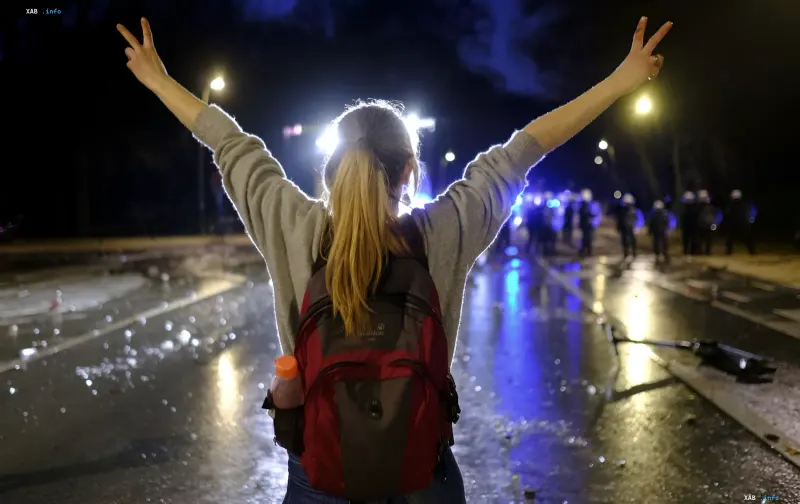
On November 28, Albania's Independence Day, clashes broke out between protesters and law enforcement in the capital city of Tirana. The protests, led by students, marked a new phase in a months-long wave of discontent with the current government. Demonstrators pelted police with stones and Molotov cocktails; in response, police used water cannons, tear gas, and rubber bullets. A banner reading "Albania is not for sale" was hung at the rally.
Chronicle of clashes on Independence Day
According to data obtained by a Reuters journalist, on Saturday some protesters acted in masks: they threw stones at the government building and tried to approach the prime minister's office. Law enforcement pushed the crowd back. According to the publication, during Saturday's protest, demonstrators hung a banner with the demand that became the main slogan of the protest — "Albania is not for sale".
Roots of the protest: corruption, unemployment, and education
According to participants, the reasons for public discontent were corruption, lack of jobs, and low standards of education. Protests began in Tirana back in mid-October and later spread to other cities across the country. "Enough with corruption, poverty, and emigration," said 45-year-old engineer Eralda Bayz, who joined the rally. Other protesters demanded better living conditions and improved access to healthcare.
Escalation: from peaceful marches to arson
During previous actions, riots repeatedly broke out: demonstrators set fire to government buildings and banks, smashed store windows, and ripped up paving stones to throw at police. The current unrest was a continuation of the summer rallies, which had initially been predominantly peaceful.
Government position and support measures
Edi Rama's government rejects allegations of corruption and calls on protesters for dialogue. At the same time, authorities are trying to ease social tension with additional support measures for the population — lower fuel prices and increased payments to low-income families. The Prime Minister insists that coastal construction is legal and does not threaten natural areas.
Coastal development and international context
The summer protests were triggered by opposition to large-scale coastal development supported by Jared Kushner, son-in-law of US President Donald Trump. This situation has become a new challenge for Rama, who has headed the Albanian government since 2013 and won his fourth election victory last year.
Country image and the fight against corruption
Corruption scandals have negatively affected Albania's international image for years. According to analysts, the country has also become a hub for criminal groups laundering proceeds from drug and weapons trafficking. At the same time, Rama claims his government is making unprecedented efforts to fight corruption.