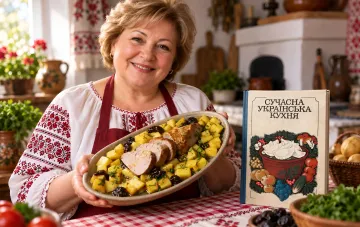
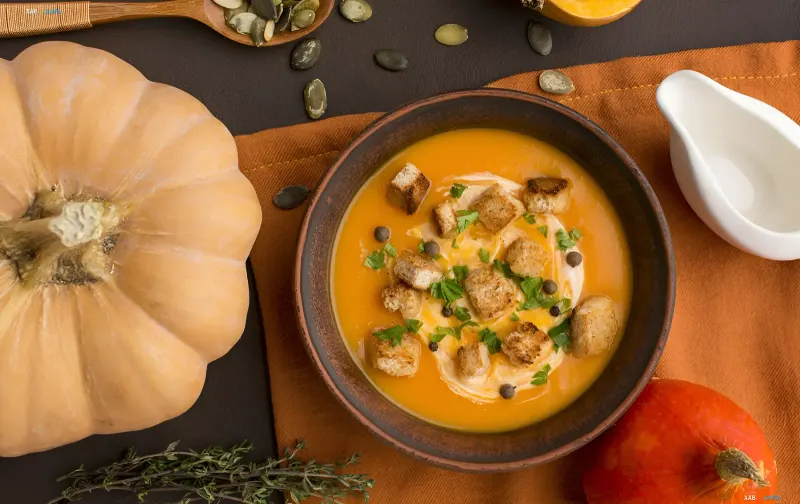
For Ukrainians, autumn has historically been not just a harvest season, but a period of fundamental dietary restructuring. After lighter summer foods, peasants switched to hearty, deeply warming dishes that simmered for hours in clay ovens, helping the body cope with cold weather, heavy physical labor, and seasonal blues. In an era when pharmacy vitamins and energy drinks did not exist, traditional recipes passed down through generations served as natural antidepressants.
Shpundra: Legendary Pork in Beetroot Kvass
One of the brightest and most forgotten dishes of Ukrainian cuisine today is shpundra, praised by Ivan Kotlyarevsky in his "Aeneid". This culinary masterpiece was fried pork (usually ribs) baked or stewed in an oven together with beets pre-fermented in rye bread kvass. Thanks to the organic acid of the beetroot kvass, the meat acquired a tender texture and a savory sourness. Ethnographers note that shpundra was considered affluent food, combining meat with a natural fermented product.Gartna Kasha and Thick Podilian Krupnyk
In the Chernihiv and Polissia regions, after completing field work, people cooked a unique gartna kasha based on millet. The main secret lay in the "hartuvannya" process: a large number of raw eggs, greaves (shkvarkas), and chopped greens were beaten into the hot ready porridge and vigorously mixed with a wooden spoon until a creamy texture was formed. Meanwhile, in Podilia during autumn, an extremely thick krupnyk was cooked from buckwheat or barley with fresh forest mushrooms and baked pumpkin. Housewives believed that a spoon must stand upright in a true autumn krupnyk.
Dushenina and the Secrets of Oven Simmering
Another iconic dish was dushenina — meat (pork or beef) rolled in flour and stewed in deep clay pots with root vegetables (parsnips, turnip, carrots). In autumn, whey or homemade kvass was often used for the sauce instead of water, and the pots were hermetically sealed with raw dough so that the meat would "stifle" under a tight lid. Such food provided maximum calories, restored strength, and maintained high spirits on gloomy autumn days.Contradictory Data
Historical and ethnographic sources contain certain discrepancies regarding the exact recipe and geographical origin of some ancient dishes. For example, researchers debate whether shpundra was exclusively festive food for the Cossack elite or a regular meal for well-to-do peasants. In addition, some sources point to the use of sauerkraut instead of beetroot kvass during lean years, which adds controversy to the authenticity of the original flavor profiles of old Ukrainian cuisine.