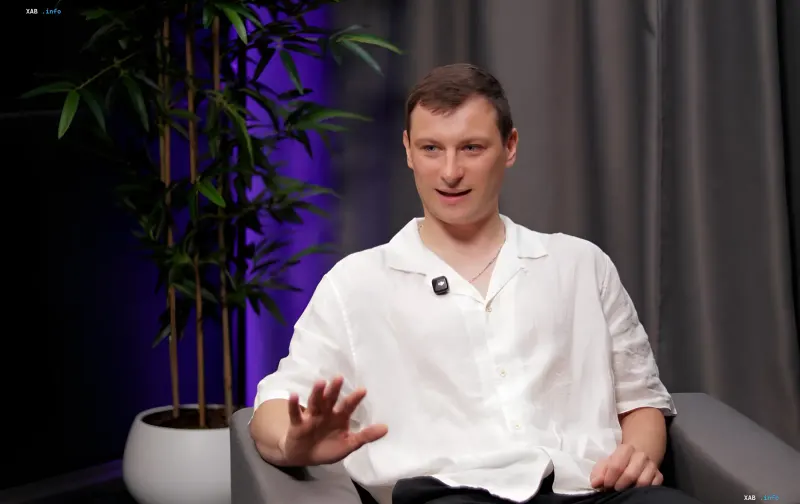
Ukrainian gastronomy is going through a period of active rethinking: chefs across the country are experimenting with traditional recipes, searching for new textures and presentations, and attempting to position the national cuisine within a modern global context. However, not every such interpretation, in the view of professionals, benefits the image of the Ukrainian culinary school. Chef Andriy Matsiuta, who has worked and completed internships abroad throughout his career, spoke about what exactly the international audience should be introduced to first when getting to know Ukrainian gastronomy — and why premature experiments can harm the reputation of the national cuisine.
Borscht as the Starting Point
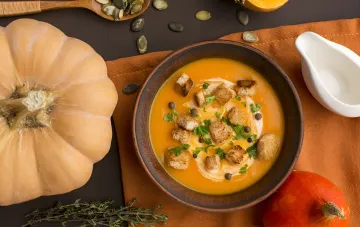
Matsiuta shared that during his internships and work assignments abroad, he typically cooked borscht. "When I was on my internships, jobs, and so on, I usually cooked borscht. Because borscht is a classic," the chef noted. In his words, this dish serves as a universal "language" in which a cook can speak to any international audience: it is recognizable, requires no lengthy explanations, and immediately conveys belonging to a specific gastronomic tradition.
Basics First: The Logic of a Cook
The core thesis of Matsiuta's argument is built on a simple culinary analogy. "I think that, first and foremost, people should know our basics. It's like a cook: if he wants to cook well, he must learn to cook the basics," the chef explained. In his logic, a foreign guest or journalist encountering Ukrainian cuisine for the first time should first become acquainted with its foundation — with those ingredients and dishes that have been shaped over centuries and constitute the cultural code of the nation. Only after that, in Matsiuta's view, does it make sense to move on to authorial interpretations and modern presentation techniques.
Against the Radical Transformation of Classics
The chef took a particular stance on the trend of "deconstructing" traditional dishes. "If you want to create Ukrainian food, modern Ukrainian gastronomy for the modern Ukrainian, you don't need to rework borscht, turn it into pasta or vermicelli. Borscht must remain borscht. Create something new," Matsiuta emphasized. Thus, he does not deny the very need for the cuisine to develop and renew itself, but he insists that innovation should run parallel to the classics, rather than replace them. Experimentation, in his opinion, is acceptable in new dishes, but not in those that have already become a symbol of national identity.
What the World Sees: Stereotypes and Their Power
Matsiuta also drew attention to how Ukraine is perceived abroad. "When we are abroad, it's unlikely that anyone will be thinking about borscht espuma. Everyone thinks about borscht, salo, garlic, and a shot of vodka," the chef stated. This set of associations, in his words, is both a limitation and an advantage: on the one hand, it simplifies perception, while on the other, it provides a powerful, recognizable brand that does not need to be "sold" from scratch. That is precisely why, Matsiuta summed up, "we need to introduce people to our roots first, and only then move on to something new."
Andriy Matsiuta's position reflects a broader debate within the Ukrainian gastronomic community about the balance between preserving traditions and finding a modern voice. In a situation where Ukrainian cuisine is being actively promoted on international platforms, the question of exactly how to present the national gastronomy acquires not only culinary but also cultural-diplomatic significance.