
In 2026, Apple carried out a major overhaul of its product lineup: the tech giant removed an entire series of popular devices from official sales or ended software support for them — from budget smartphones to workstations. The generational shift affected both the affordable gadget segment and flagship computers, while the release of the new tvOS 27 and watchOS 27 operating systems effectively narrowed the circle of devices that will continue to receive updates. Below is a breakdown of exactly what has left the lineup and why.
Smartphones: the end of the iPhone 16e era and the departure of the 2025 Pro lineup
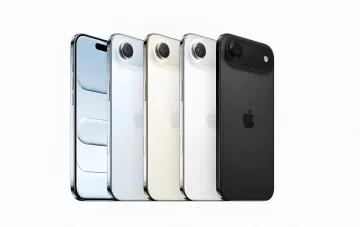
One of the most notable decisions was discontinuing the iPhone 16e — a model introduced in February 2025 as a replacement for the SE series. The smartphone stayed in the lineup for just one year: the launch of the iPhone 17e in March 2026, with double the storage (256 GB for $599) and full MagSafe wireless charging support, made its predecessor redundant. Notably, the lack of MagSafe in the 16e had previously raised questions and forced the company to explain that decision, and now the new tracker segment has closed that niche. In parallel, as is tradition, with the release of the new flagship lineup in the fall, the iPhone 17 Pro and 17 Pro Max disappeared from the official store — they remain available only through partners or in the refurbished section.
Trackers and wearables: first-generation AirTag and reduced Apple Watch support
In January 2026, Apple released an updated AirTag with a U2 chip, a range of up to 61 meters, and a louder speaker, after which the original 2021 trackers were removed from the lineup, although they continue to work. Smartwatch owners felt the loss much more acutely: the release of watchOS 27 brought a major reduction in support — updates will not be received by Apple Watch Series 6, 7, 8, the first-generation Ultra, and the second-generation SE. The new system will be available only to models from 2023 and later, which means the end of updates for a significant portion of the installed base.
Computers and tablets: M5 pushes out M4, Mac Pro closed for good
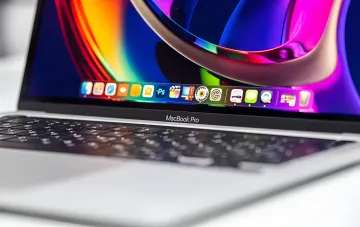
Apple has fully refreshed its computer lines. After the release of the MacBook Air with the M5 chip, the M4 version can no longer be purchased directly from the company, although the platform will continue to support macOS for many more years. The MacBook Pro series has also moved to base M5 processors and M5 Pro / M5 Pro Max versions, while models with last year's M4 Pro and Max chips have been removed from the store. The iPad Air with M3, released in March 2025, was replaced just a year later by the M4 tablet. In the monitor segment, the Studio Display received a modern Thunderbolt port, while the expensive $4,999 Pro Display XDR gave way to the $3,299 Studio Display XDR with a 120 Hz refresh rate.
Software support and the obsolescence strategy
The most significant changes are related to software support. The tvOS 27 system ends support for the 2015 Apple TV HD and the first 4K version from 2017 due to outdated hardware. The fate of the Mac Pro deserves special mention: after the release of the 2023 version with the M2 Ultra chip, which deprived users of the ability to independently upgrade RAM or change graphics cards, the computer lost its main advantage. In 2026, Apple completely closed the Mac Pro line, making the powerful Mac Studio the flagship workstation solution. Taken together, these steps confirm the company's strategy of accelerating generational turnover and shortening the device lifecycle.