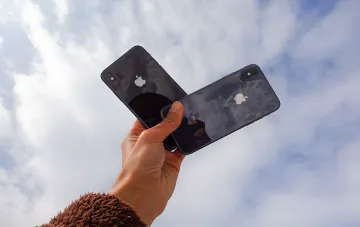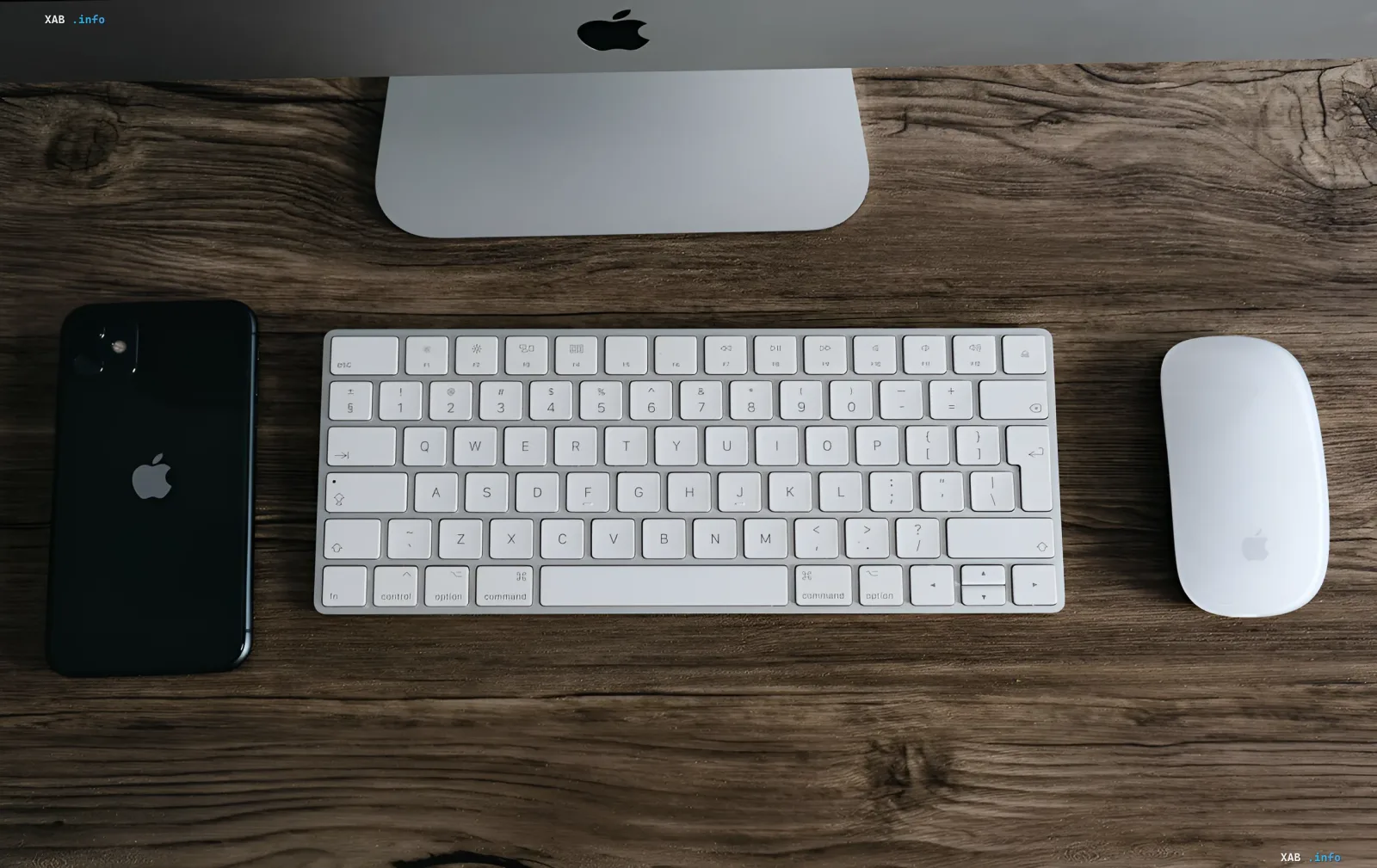
In August 2026, Apple made significant changes to its Trade In program, offering users significantly higher compensation for trading in old devices. The tech giant revised valuation rates for a wide range of gadgets, including iPhone, iPad, Mac, and Apple Watch. This decision came as a surprise to the market, where a gradual decline in the value of used equipment is usually observed.
Record amounts for Mac computers
The most noticeable price surge was recorded in the desktop computer segment. The flagship Mac Studio model, previously valued at $1045, can now bring its owner up to $1305. This 25% increase makes trading in old professional workstations at the Apple Store or authorized centers more profitable than selling on the secondary market. A similar trend is observed in the MacBook Pro laptop segment, where payouts for top configurations also increased by 15–20%.
Price adjustments for smartphones and tablets
In the smartphone category, changes affected both current and last year's flagships. For the iPhone 16 Pro, they now offer up to $630 (previously $560), which is a 12.5% increase. Even the iPhone 15 Pro Max has increased in value to $530. In the tablet segment, the iPad Pro received a valuation of $720 instead of the previous $690, while the compact iPad mini is now worth up to $300. Notably, base models and outdated devices, such as the iPhone X or iPhone 16e, remained in the same price range.
Reasons for growth: memory shortage and components
Although Apple has not officially commented on the reasons for the rate revision, analysts link this move to a global shortage of components. In 2026, the market faced a shortage of DRAM and NAND flash memory, which led to an increase in the production cost of new devices. Increasing payouts in the Trade In program allows the company to stimulate the trade-in of equipment containing valuable components and reduce dependence on the primary raw materials market.
Changes for Android devices
Apple also expanded the list of accepted Android smartphones, however, for some models, including Google Pixel 7 and Pixel 8 Pro, compensation amounts were reduced. This contradicts the general trend of growth and may indicate a review of the strategy regarding third-party devices. At the same time, for popular Samsung and Xiaomi models, payouts remained at the previous level or increased slightly.
Contradictory data
There are discrepancies among experts regarding the long-term consequences of this step. Some analysts believe that the increase in payouts is a temporary measure aimed at stimulating sales of new devices in a slowing market. Others believe that this is the beginning of a new strategy, in which Apple will actively compete with the secondary market for used equipment. Furthermore, it is unclear how long the company will be able to maintain such high payouts given the volatility of component prices.
Program conditions and prospects
It is important to note that the final payout amount depends on the technical condition of the device. All gadgets undergo a thorough inspection, and in the event of damage or malfunctions, compensation may be reduced. Payouts are provided in the form of credit towards the purchase of new Apple equipment, making the program attractive to users planning to upgrade their gadgets. In the context of rising prices for new devices, the Trade In program is becoming an important tool for maintaining customer loyalty.