
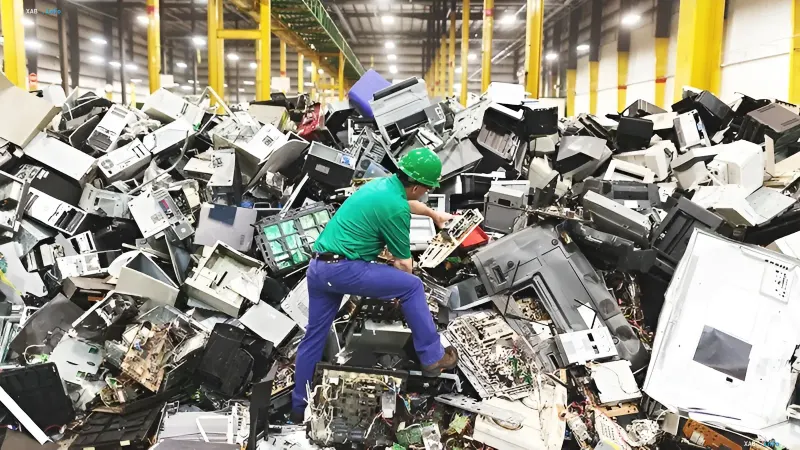
The modern world is facing an unprecedented surge in electronic waste volumes driven by rapid technological progress and the swift obsolescence of gadgets. Phones left in drawers, replaced computers, and solar panels reaching the end of their lifespan have turned into one of the fastest-growing waste streams on the planet. This category of waste harbors serious hazards due to toxic materials such as lead, mercury, and refrigerants that can release greenhouse gases during informal dismantling. At the same time, they represent a vital source of scarce raw materials, including copper, gold, cobalt, and rare earth elements necessary for high-tech industries.
Scale and Health Risks
According to the fourth Global E-waste Monitor report released by UNITAR and the International Telecommunication Union (ITU) in 2024, the world generated 62 million metric tons of e-waste in 2022. This figure showed a staggering 82% increase compared to 2010, with an average annual growth of 2.6 million tons. A disturbing fact remains that only 22.3% of the total volume is properly collected and recycled. Informal recycling in developing countries, where valuable metals are extracted by burning wires or using acid, inflicts irreversible damage on the environment and human health. According to World Health Organization estimates, up to 18 million children and adolescents, alongside nearly 12.9 million women working in this sector, may face health risks from toxic exposure.
International Experience and Corporate Responsibility
Solving such a massive problem through fragmented measures is impossible, as global practice proves. Successful models are demonstrated by countries like Japan and South Korea, where extended producer responsibility (EPR) and strict collection and recycling targets are legally implemented. For instance, the South Korean experience showed an increase in home appliance recycling rates from 48% to 87% by tightly linking environmental targets with businesses' financial obligations. Meanwhile, the global governance gap remains significant: not all nations have adopted dedicated laws and established clear auditing standards, allowing unscrupulous market players to bypass environmental requirements and shift costs onto vulnerable regions of the planet.