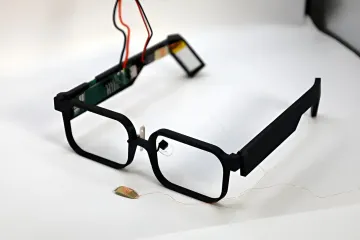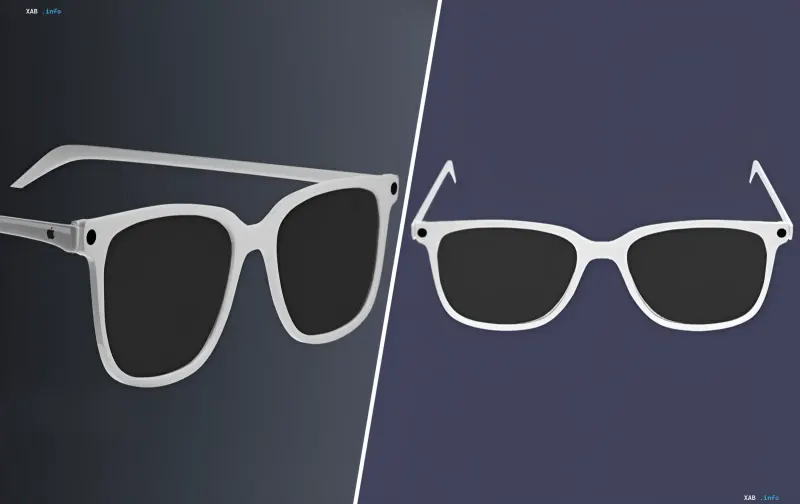
Apple has once again delayed the timeline for the development and release of its highly anticipated smart glasses. According to the latest analytical reports from Bloomberg expert Mark Gurman, the tech giant from Cupertino has faced severe engineering challenges, pushing the release of this fundamentally new wearable gadget to a later date. To date, the company's spatial computing portfolio only includes the premium Vision Pro headset and the deep integration of the Siri voice assistant into AirPods wireless headphones. Nevertheless, full-fledged augmented reality glasses remain a strategic corporate goal.
New Strategy and Device Design
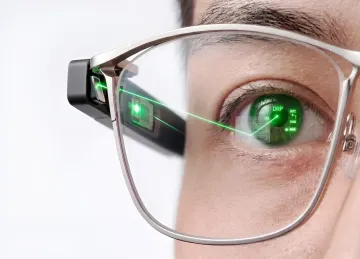
According to insiders, the first generation of Apple smart glasses will conceptually resemble the popular joint product by Meta and Ray-Ban. This means the device will initially hit the market without a full built-in screen, focusing instead on audio features, cameras, and artificial intelligence capabilities. A proper interface visualization with a display inside the lenses has been postponed by developers for future generations of the gadget, as current technologies do not yet allow packing the necessary components into a lightweight chassis without sacrificing battery life.
In parallel with the development of the glasses lineup, Apple's engineering teams are actively working on an updated version of the mixed-reality headset under the internal codename N224. Specialists are considering multiple conceptual approaches at once, including moving some of the computing power to an external module, although the company strives to avoid repeating the controversial separate battery solution seen in the Vision Pro.
Contradictory Data
An analysis of leaks from various sources demonstrates noticeable discrepancies in the release schedule for upcoming new products. While Mark Gurman's latest reports target the end of 2027 for the debut of the basic smart glasses, earlier leaks suggested the device could be presented as early as late 2026 or early 2027. The situation with the mixed-reality headset looks even more uncertain: experts agree that the project is in a phase of active rethinking, and if the production cycle is delayed, the final release might not happen until late 2028 or even early 2029.
Expert Evaluations and Market Prospects
Apple's entry into the lightweight wearable device market is viewed by analysts as a crucial step toward popularizing smart glasses among a mass audience. Unlike bulky virtual reality headsets, a lightweight all-in-one form factor has a much higher chance of commercial success. However, Cupertino engineers must strike a delicate balance between affordable pricing, high performance, and compact dimensions, which poses a non-trivial challenge at the current stage of the electronics industry.