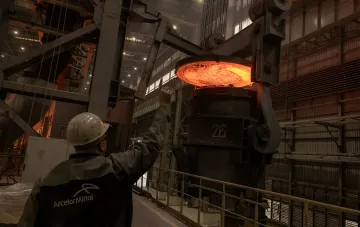
Ukraine's largest steelmaker, ArcelorMittal Kryvyi Rih, has faced unprecedented security challenges that make the further stable functioning of the enterprise impossible. The management of the international corporation has officially notified the Ukrainian government that ongoing missile strikes are causing critical damage to production facilities and posing a direct threat to human lives.
Chronology of Attacks and Casualties
Over the past five weeks, the enterprise has been subjected to four massive missile strikes, the latest of which occurred on September 21, 2026. As a result of the enemy attacks, five plant workers were killed, another 17 people sustained injuries of varying severity, and one victim remains in critical condition. Enterprise CEO Mauro Longobardo stressed that safe operation of the plant is no longer possible under such conditions.
Financial Losses and Asset Impairment
Since the beginning of the full-scale invasion in February 2022, the parent company has channeled over 700 million dollars to support the continuous operations of the Ukrainian branch. Nevertheless, the current situation forces the business to record colossal losses: a non-cash asset impairment of approximately 1 billion dollars is expected, affecting fixed assets and production equipment.
Contradictory Data
While official statements from the corporation focus exclusively on the direct security threat due to recent missile strikes, expert sources and specialized media point to a broader range of systemic problems in Ukraine's metallurgy sector. In addition to infrastructure destruction, analysts note a deep industry crisis caused by the blockade of seaports, rising electricity prices, increased logistics service tariffs of Ukrzaliznytsia, and a general decline in sales markets, which also casts doubt on the profitability and recovery prospects of many industrial facilities.
Next Steps and Dialogue with the Government
Currently, management is holding intensive consultations with the Cabinet of Ministers of Ukraine regarding the future of the plant. A key priority for both sides is the conservation and preservation of the remaining infrastructure so that after peace is established, the country retains the potential to resume metallurgical production.