
In the Sheikh Abd el-Qurna area on the west bank of Luxor, Dutch archaeologists have made a significant discovery. During excavations in the famous Theban necropolis, a decorated tomb belonging to an ancient Egyptian resident named Paser was uncovered. This discovery, made in close proximity to the already known tomb TT45, promises to shed new light on the daily life and beliefs of the Ramesside period.
Details of the Archaeological Find
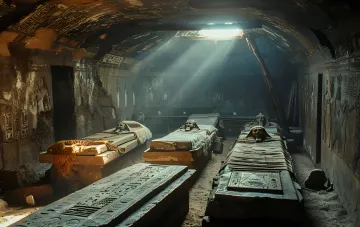
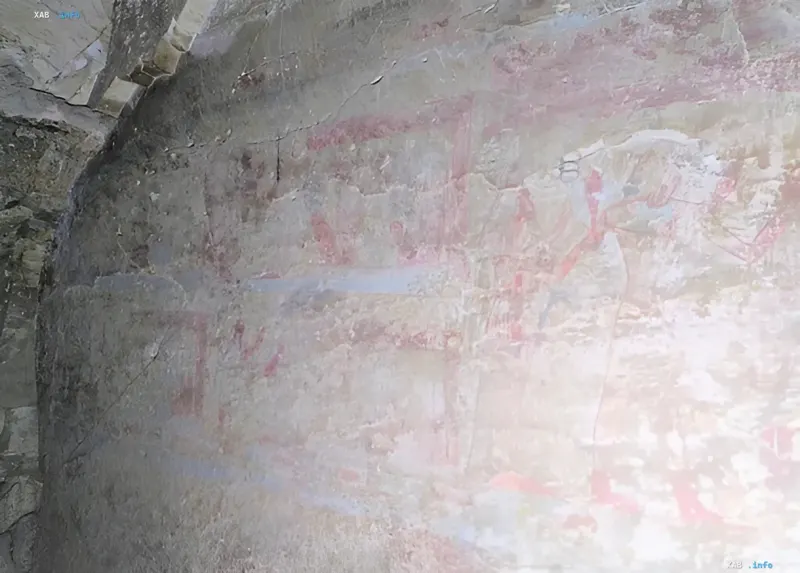
The complex represents a structure typical of that era, including an open courtyard, a chapel carved directly into the rock, and underground burial chambers. The condition of the interior decoration sparked particular interest among researchers. Despite the millennia that have passed since the burial, painted scenes have been preserved on the walls.
The frescoes depict Paser worshipping Egyptian deities, which testifies to his religious devotion. Additionally, a scene has been recorded on the walls showing a man with his wife at an offering table. Experts believe that the style of these images allows for a preliminary dating of the site to the Ramesside period.
Mysteries of Title and Lifestyle
At present, the exact social status of Paser remains a question. Researchers hope that deciphering the preserved inscriptions will reveal his title and profession. This will help understand who the man was who was honored with such a rich burial complex.
During the inspection of the courtyard, archaeologists discovered a well-preserved brick bench. A special recess intended for the installation of a funerary stele was found within it. This find confirms that the complex was used for conducting rituals and commemorating the deceased.
Context of Research
This discovery fits into a series of important archaeological finds made recently. Previously, a marble cornice from the Roman Empire and a ritual burial were excavated in Olbia, demonstrating the active work of researchers on different historical sites.