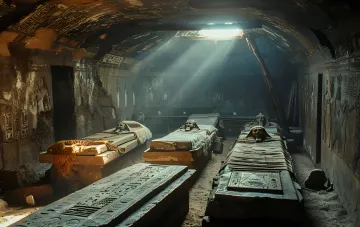
The West Bank of Luxor, where pharaohs and nobles of Ancient Egypt have rested for centuries, has once again become the site of a sensational discovery. A Dutch archaeological mission led by Dr. Karina van den Hoven from Leiden University has uncovered a new, previously unknown tomb. The rock-cut tomb is located in the Sheikh Abd el-Qurna area — a historic necropolis that served as a burial ground for the Theban elite.
The Tomb of Paser
The find belongs to a person named Paser, whose name has been preserved on the interior walls. Researchers have tentatively dated the structure to the Ramesside period (19th and 20th Dynasties), which began around 1292 BC. This era is considered one of the most powerful in the history of the New Kingdom, known for the reigns of pharaohs such as Ramses II and Ramses III.
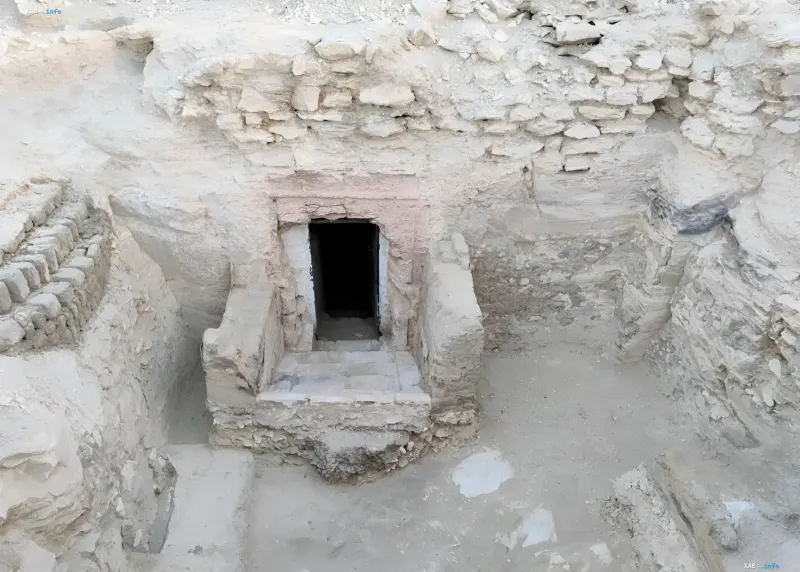
Although the exact date of construction has not yet been established, the style of the frescoes and the architecture indicate that it dates to this period. The tomb features the classic layout of private Theban tombs: it includes an open inner courtyard, a rock-cut chapel in the shape of an inverted letter "T", and underground burial chambers.
Scenes of Eternal Life
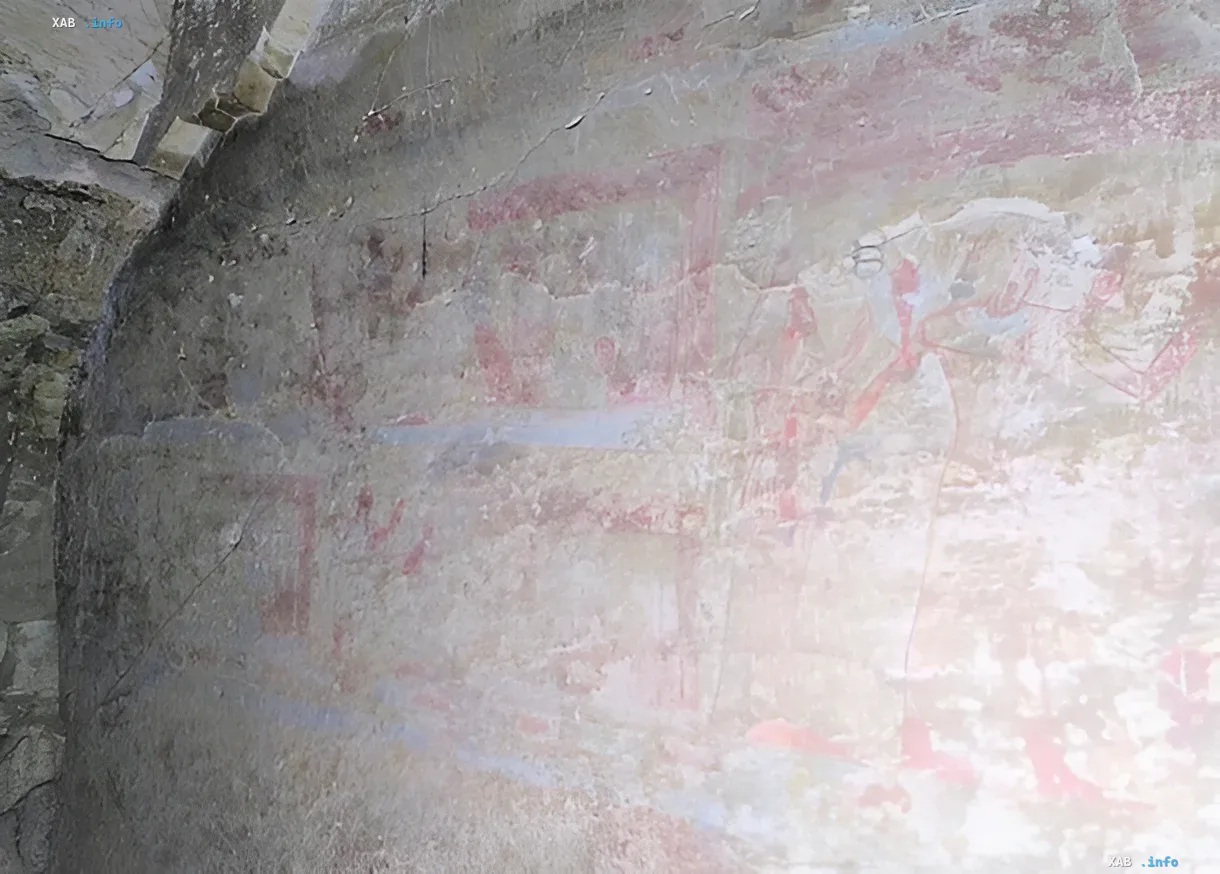
Steps flanked by gentle ramps lead to the entrance of the tomb. Inside, researchers have already been able to decipher the themes of the wall paintings, despite some frescoes still being hidden under a thin layer of dust. The walls depict scenes of Paser worshipping Egyptian deities in shrines. A separate composition shows the tomb owner together with his wife at an offering table.
Detailed study of the hieroglyphic inscriptions in the future will help scholars reconstruct Paser's titles, profession, and social status in New Kingdom society. There are also plans to decipher the names of other people buried in the underground chambers to recreate their biographies.
Unique Finds in the Courtyard
Particular interest is aroused by the tomb's courtyard, where archaeologists discovered a well-preserved bench made of unbaked mudbrick masonry. The bench has a special recess in which, presumably, a funerary stele was once installed — an important element of the ritual for commemorating the dead.
The Sheikh Abd el-Qurna area was historically the burial place of officials, priests, and civil servants associated with the Theban temple administration. The discovery of Paser's tomb makes a new contribution to the understanding of the social structure and burial rites of that time.
Future Plans
Dr. van den Hoven's team has been conducting excavations, documenting monuments, and working on the preservation of cultural heritage in this area for several years. In the near future, researchers plan to continue studying the architecture and underground chambers.
An important part of the upcoming work will be the reinforcement of the monument's structures and the restoration of the surviving colored paintings so that they can be accessible to future generations in their original form.