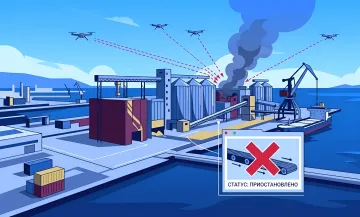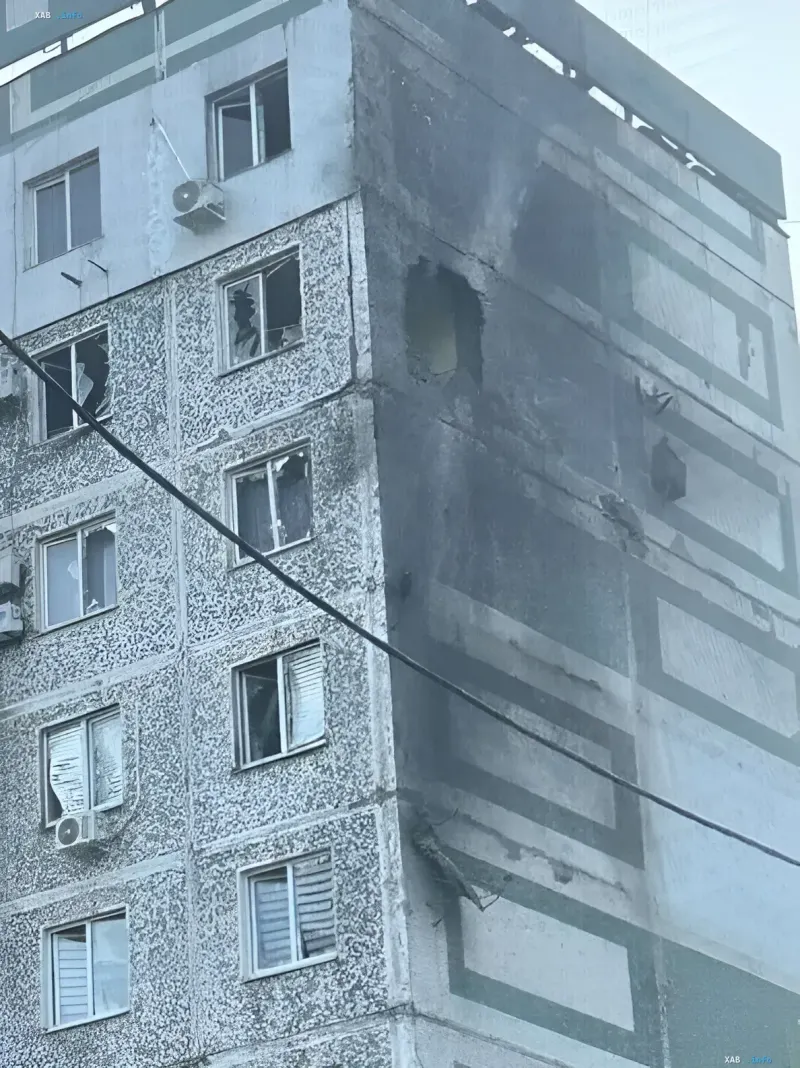
August 12, 2026, marked the day when one of Russia's key logistics hubs was put to the test. On the night of Wednesday, the port and urban infrastructure of Novorossiysk became the target of a large-scale attack using unmanned aerial vehicles (UAVs). The air raid alarm declared in the Azov-Black Sea coast area lasted for more than five hours, and the operation of air defense systems did not cease until dawn.
The Novorossiysk Sea Commercial Port (NMTP) traditionally plays the role of a strategic hub for the export of energy resources and agricultural products. According to preliminary data, strikes were delivered against critically important terminal capacities, including grain and liquid bulk complex facilities. As a result of the interaction of air defense systems and the fall of UAV debris, individual elements of the industrial zone, as well as civilian infrastructure and transport in adjacent areas, sustained damage.
Technical Profile and Logistics Significance of the Port
The Novorossiysk Sea Commercial Port (NMTP) is the largest deep-water port hub in southern Russia and a key logistics hub for the transshipment of liquid bulk (oil and oil products), dry bulk (grain crops), and general cargo in the Black Sea region. According to preliminary data, the main targets of the attack were port terminal capacities, including grain and liquid bulk complex facilities. As a result of the operation of air defense systems and the fall of debris, individual elements of the port's industrial zone, as well as civilian facilities and automotive equipment in adjacent areas, sustained damage.
Official Statements and Assessment of Consequences
The administration of the municipal formation of the city of Novorossiysk confirmed the fact of a comprehensive air attack. According to operational services, local fires were recorded at the sites of UAV element falls, which were liquidated by emergency services. Statements by administrative bodies: Representatives of export terminals and management companies confirmed the suspension of a number of technological processes to assess the engineering and technical condition of structures and personnel safety.

International assessments: Analysts in the international logistics industry point out that delays in vessel processing in Novorossiysk could cause short-term changes in the schedules for shipping raw materials and agricultural products to buyers in the Middle East and the Mediterranean. Procedural actions, determination of the nature of the damage received, and restoration work are continuing in the port zone.
Contradictory Data
While official messages from the city administration focus on local fires and their successful liquidation, independent sources and monitoring service data indicate a more extensive nature of destruction in the port area. While terminal representatives report only a temporary suspension of processes, market analysts note that actual vessel delays may lead to the rescheduling of shipments for an indefinite period, which contradicts statements about "short-term changes".

Legal Status and International Context
The functioning of maritime transport facilities and port infrastructure is regulated by international norms of commercial navigation and national legislation in the field of security of critical transport system facilities. An attack on facilities with the status of critical infrastructure entails not only direct economic losses but also issues of international responsibility in accordance with conventions on maritime safety.