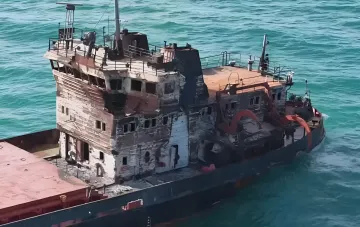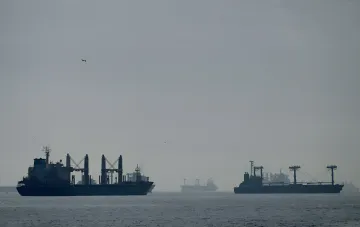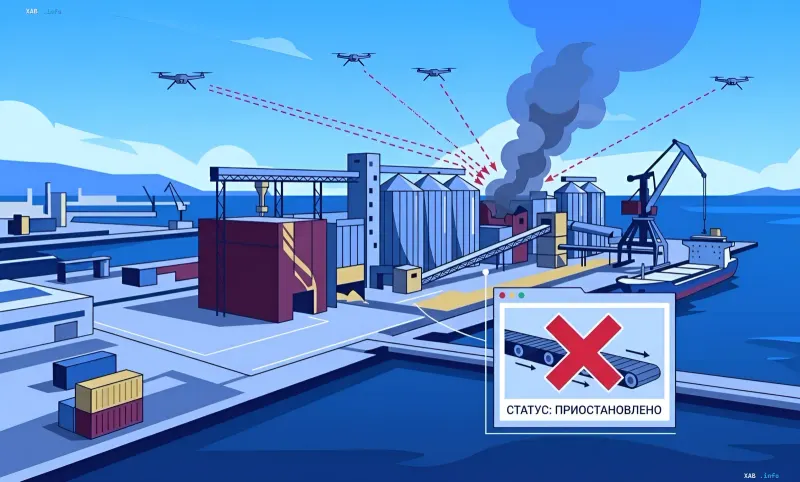
On the night of August 12, 2026, a strategically important node of Russian logistics — the Novorossiysk grain terminal — became the center of a massive attack. The infrastructure, which ensures the shipment of tens of thousands of tons of agricultural products, was disabled as a result of an unmanned aerial vehicle (UAV) strike. The incident, occurring during one of the key periods of the export season, puts supply schedules for international partners at risk.
Scale of the incident and halt of production capacity
Representatives of the management company of the "Demetra-Holding" officially confirmed the fact of damage to the facility. Consequently, the terminal's operations were completely suspended. According to industry sources, damage assessment and safety checks of engineering systems are currently underway. Reuters reports that resumption of operations is possible only after the completion of technical inspections, the timelines for which are not yet specified.
The Novorossiysk terminal is one of the largest specialized complexes for grain transshipment in the Azov-Black Sea basin. Its shutdown is not just a local accident but a blow to the entire supply chain. Traditionally, between 20% and 30% of the total volume of Russia's maritime grain exports passes through the port capacities of Novorossiysk.
Government stance and risks for international trade
The administration of the municipal formation of the city of Novorossiysk has recorded a complex attack involving both UAVs and unmanned boats. According to city services, several civilian facilities in adjacent areas were also damaged as a result of air defense operations and the strike itself. Authorized state bodies and technical commissions are currently conducting a complex of procedural and restorative activities.
Export analysts warn of serious risks. The suspension of such a major hub creates a threat of missing shipment schedules for buyers from Middle Eastern and North African countries. A temporary halt of infrastructure can exert local but noticeable pressure on logistics, forcing the redirection of flows to alternative, often more expensive and slower routes.
Contradictory data
Currently, there is a discrepancy in the details of the incident in the information space. On the one hand, representatives of "Demetra-Holding" confirm the fact of damage and suspension but categorically refrain from detailing the nature of the destruction. The company does not disclose whether the equipment was critically damaged or if it involves local damage requiring long-term repairs.
On the other hand, Novorossiysk city services report a broader context of the attack, pointing to the use of unmanned boats and damage to civilian facilities, which is not reflected in the initial reports from corporate sources. This creates uncertainty in assessing the real scale of the threat to the entire port infrastructure of the region.
Economic context and consequences for the market
The incident occurred against the backdrop of a slowdown in grain shipment rates through the ports of the Black and Azov Seas during the summer of 2026, as noted by analysts. Given the existing slowdown in logistics, the loss of one of the key nodes could exacerbate the situation. The market expects a redistribution of flows, which will inevitably lead to an increase in logistics costs and potential price hikes for the final product for importers.