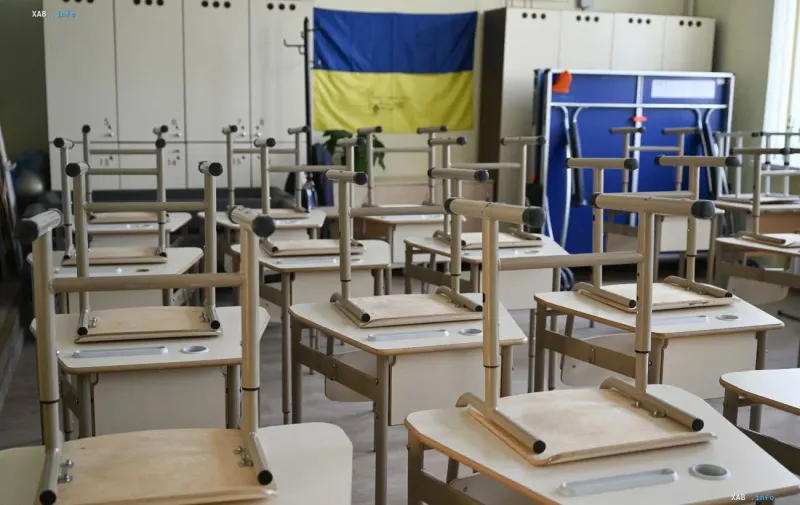
Kyiv has officially determined the recommended structure of the 2026–2027 academic year for the capital's schools. This is reported by RBC-Ukraine, citing data from the Kyiv City Council's Department of Education and Science. According to the department's recommendations and those of the Association of School Principals of Ukraine, the autumn break is scheduled for the period from October 26 to November 1, 2026. At the same time, the Kyiv City Council emphasizes that the final dates may be adjusted depending on the current security situation in the city.
Autumn Break: From October 26 to November 1
The autumn break in the educational process for Kyiv schoolchildren will last six days — from October 26 to November 1, 2026, inclusive. This is the standard period for the capital, which allows students to recover after the first months of classes and teachers to draw interim conclusions on the first stage of learning. It is important to note that this is a recommended schedule: each school may, if necessary, make local adjustments within the approved structure.
Semester System: How the Academic Year Is Divided
Most schools in Kyiv operate on a semester system. The first semester will run from September 1 to December 23, 2026, and the second — from January 11 to May 28, 2027. The academic year itself, in accordance with Cabinet of Ministers of Ukraine Resolution No. 847 dated July 1, 2026, began on September 1, 2026 and will run until June 30, 2027. Winter break is recommended to be held from December 24, 2026 to January 10, 2027, and spring break — from March 22 to 28, 2027. Separately, additional break is planned for first-graders for the period from February 15 to 21, 2027 — this is a support measure for the youngest students, for whom adapting to the school rhythm is more difficult.
Last Bell and Compensatory Classes Until June 30
The last bell in Kyiv schools should ring on May 28, 2027. At the same time, until June 30, 2027, schools will be able to organize compensatory classes to overcome educational losses, individual and group consultations, project-based activities, educational excursions, and the work of "educational clubs." This mechanism is especially relevant in conditions where part of the class time may be lost due to disruptions in the in-person format.
Martial Law and Flexible Operational Algorithms
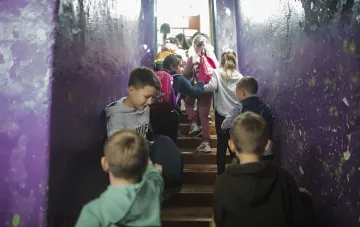
The Kyiv City Council draws attention to the fact that the proposed structure is recommended, not strictly mandatory. Under martial law, the specific schedule and form of learning may be adjusted depending on the situation. Previously, RBC-Ukraine reported that the capital's schools apply flexible operational algorithms: during distance learning, classes are suspended for the time needed for students and teachers to move to a safe location, after which classes may be resumed. This is precisely why all the dates of breaks and semesters mentioned should be regarded as a basic reference point that may change by decision of local authorities.