Prolonged autumn rains, typical of September and October, create conditions in dacha plots and vegetable gardens where already-matured root crops begin to lose their marketable and taste qualities right in the soil. According to data cited by the publication Styler (an RBC-Ukraine project), excess moisture shortens the storage life of a number of vegetables and increases the risk of fungal and bacterial diseases. At the same time, there is no universal rule to "dig everything up at once": each crop reacts to waterlogging in its own way, and the key factor remains the degree of ripeness of the root crop and the state of the soil on a given plot.
Carrots: rot and cavity spot in wet soil
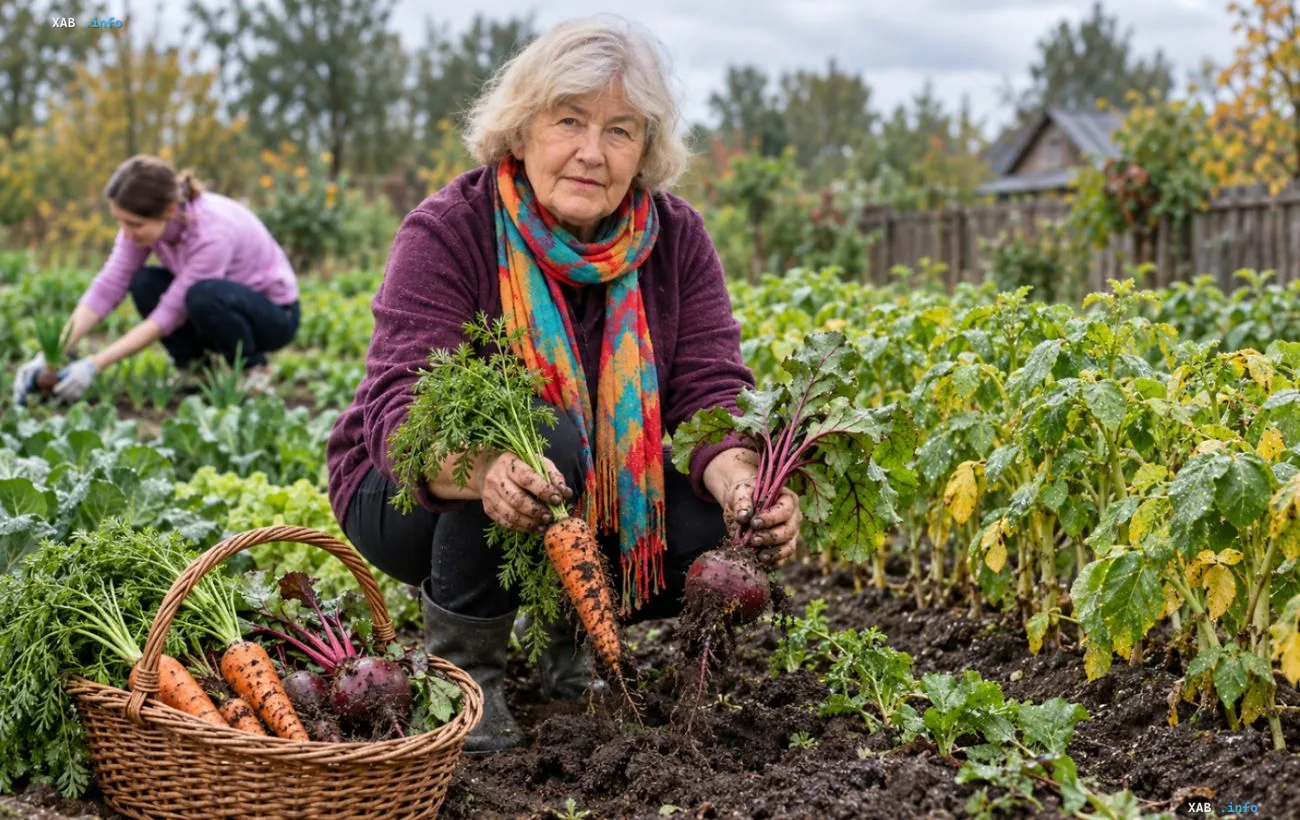
Carrots can continue to grow even in cool weather, so a few rainy days in themselves are not a reason for emergency harvesting. However, if the root crops have already reached the desired size and the soil remains constantly wet, delaying the digging up can lead to crop loss. The University of Minnesota notes that excess moisture in the soil increases the risk of carrot rot, while Utah State University emphasizes that the disease cavity spot develops more actively in cool and moist soil, with mature root crops becoming especially vulnerable to it. Practical recommendation: ready carrots after prolonged rains should be harvested gradually, especially if forecasters promise a new wave of precipitation. At the same time, it is not advisable to dig up the crop right under a downpour — it is better to wait until the soil dries out a bit and stops sticking to the tool.
Beets: cracking due to moisture fluctuations
Beets should also not be left unattended on an overwatered bed. Rain itself is not a reason to rush the harvest, however, sharp fluctuations in soil moisture can provoke cracking of the root crops, making them unsuitable for long-term storage. If the beets have already reached the desired size and the ground is constantly wet, harvesting can begin. According to expert recommendations, for prolonged storage the tops are cut off, leaving a small stub on the root crop to prevent rotting through the cut stem.
Potatoes and bulb crops: dryness before storage
The situation with potatoes is somewhat different: if the tubers have already ripened, it is undesirable to delay harvesting after prolonged soil waterlogging, since wet ground creates conditions for the development of phytophthora and other diseases. At the same time, digging up potatoes immediately after a heavy downpour is also not recommended. For crops intended for long-term storage — potatoes, onions and garlic — it is critically important that both the soil and the harvest itself be dry. The optimal strategy is to wait until the ground stops turning into a sticky mass, but at the same time ensure that the harvest has not spent a critically long period in waterlogged soil.
Parsnips and crops that rains do not harm
Not all root crops require urgent digging up because of rain. Parsnips, for example, can remain in the ground until late autumn and even until the first frosts. According to the University of Minnesota, cool soil promotes the accumulation of sugars in the root crop, so a later harvest makes parsnips sweeter in taste. This is a clear example of the main rule of the autumn garden — do not dig everything up indiscriminately, but assess the ripeness of a specific crop and the actual state of the soil on the plot.
What you should not do: compacting wet soil
The issue of bed maintenance in rainy weather deserves separate attention. You should not actively walk on wet beds or dig them up right after a downpour: excessively moist soil is easily compacted, which worsens the aeration of the root system and hinders drainage. Good soil drainage is one of the key conditions for a healthy autumn garden, and its disruption can lead to the fact that even a properly harvested crop will store worse due to moisture retention in the soil. Thus, in the conditions of prolonged autumn rains of 2026, the gardener needs to act selectively: check the ripeness of each crop, choose dry windows for digging up, and avoid mechanical damage to the soil structure.