August 2026 has become a critically important month for gardeners striving to maintain the health and aesthetic appeal of their plantings in anticipation of the cooler season. Renowned British gardening expert Monty Don, whose recommendations have served as a guide for millions of amateurs and professionals for years, emphasizes that proper late-summer pruning is the key to abundant flowering and plant hardiness in the coming year. Specifically, this concerns two key crops that require special attention during this period: lavender and hedges.
Lavender: Why you cannot delay pruning until autumn
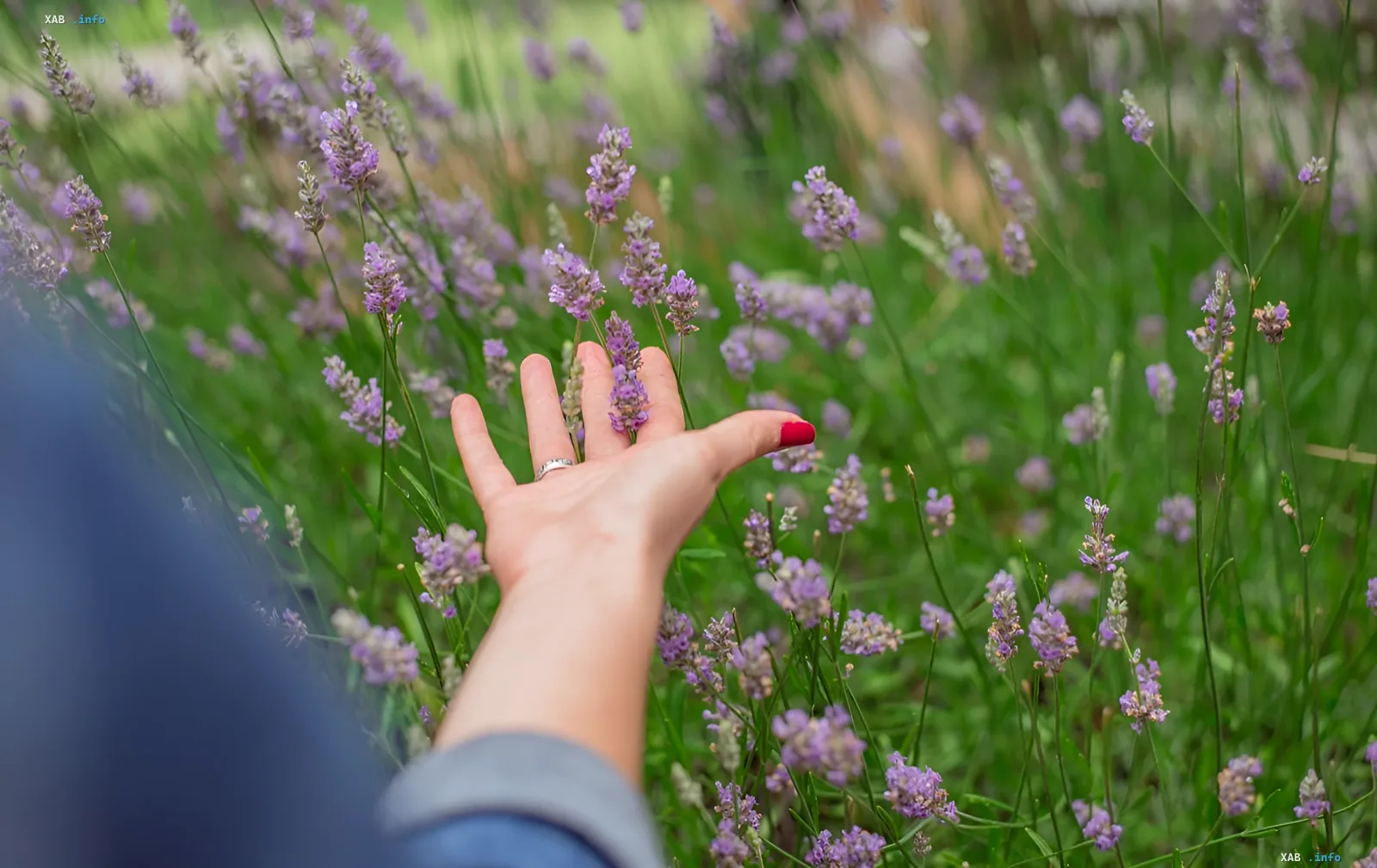
Lavender is one of the most popular ornamental plants in gardens across Europe and the CIS, but its beauty depends directly on timely pruning. As Monty Don notes, if you miss the August window, the bushes will become woody, lose their compact shape, and may even die over the winter. The optimal time for the procedure arrives when the flowers begin to fade—usually mid-summer or late August, depending on the variety. It is important not to wait for seed formation or for the flower heads to darken completely: early pruning gives the plant maximum time to recover and form new shoots before the cold sets in.
The expert recommends pruning the bush quite heavily to give it a neat shape, but be sure to leave new growth on each stem. Lavender does not regrow from bare old wood—this is a fundamental rule that many gardeners ignore with sad consequences. With proper annual pruning, a bush can live and bloom fully for more than ten years, maintaining its decorative and aromatic value.
Hedges: August is a safe time for trimming
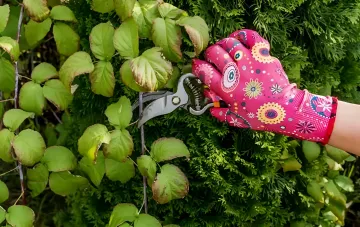
The second important object of August pruning is hedges. Monty Don emphasizes that this period is particularly favorable because most birds have already left their nests, and trimming will not harm their offspring. Summer pruning, unlike winter pruning, leads to much slower regrowth of new branches, allowing the bushes to maintain the set height and shape until the end of the year. This is especially relevant for those who want to avoid repeated trimming during the season.
When trimming hedges, it is important to consider the type of plant: cut branches of deciduous species can be shredded and added to the compost heap, while the remains of evergreen plants are better sent for special garden waste disposal. This approach not only supports the ecological balance of the site but also prevents the spread of diseases through infected cuttings.
Conflicting data
Although Monty Don's recommendations are considered authoritative, there are disagreements in the gardening community regarding the timing of lavender pruning. Some specialists, especially in regions with a harsher climate, advise delaying the procedure until early September to give plants more time to accumulate nutrients. Others, conversely, insist on earlier pruning—in July—to avoid the risk of young shoots freezing. These differences are related to the climatic features of the regions and lavender varieties, so gardeners are advised to adapt the recommendations to their own conditions.
Practical tips from experts
Monty Don also recommends using quality pruning tools—sharp secateurs and shears—to avoid damaging plant tissues. After pruning, it is useful to treat the cuts with a special antiseptic, especially if the weather has been humid. In addition, he advises not to forget about feeding the plants after pruning—this will speed up their recovery and strengthen their immunity before winter.
In conclusion, August 2026 is the ideal time to prepare the garden for the cooler season. By following Monty Don's recommendations, gardeners can ensure the healthy appearance of plants, preserve their decorative qualities, and extend the lifespan of the bushes. Proper pruning of lavender and hedges is not just an aesthetic procedure, but a crucial element of care that affects the long-term health of the garden.