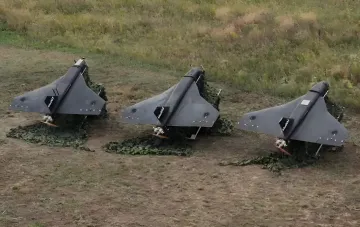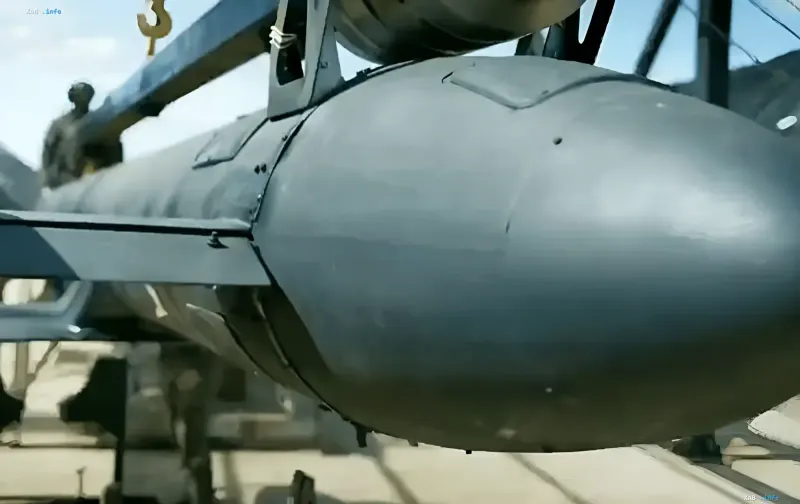
The Ukrainian Defense Forces are utilizing a comprehensive approach to counter new Russian jet-powered unmanned aerial vehicles, which are increasingly deployed to strike critical infrastructure and rear regions. The arsenal of Ukrainian defenders now includes electronic warfare systems, combat aviation, and advanced specialized interceptor drones. Nevertheless, each of these areas faces objective technical and logistical constraints that require prompt resolution at the state level.
Capabilities and Challenges of Combat Aviation
Engaging manned aviation to intercept high-speed airborne targets involves severe difficulties. Sources in specialized agencies highlight an acute shortage of scarce air-to-air missiles and specialized ammunition for onboard cannons. This issue is particularly critical for modern Western-style fighters, such as F-16s and Mirage jets, which depend on foreign supplies. In addition, combat operations by aviation directly over large population centers and the capital are restricted due to high risks for civilians.Breakthrough Developments: Ukrainian Interceptor Drones
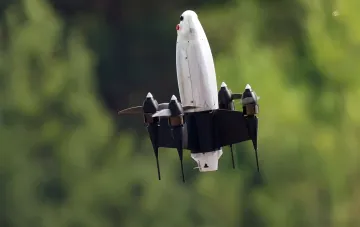
Domestic interceptor drones capable of catching up to jet targets have emerged as a separate strategic direction. In late September, Ukrainian President Volodymyr Zelenskyy officially confirmed the successful combat deployment of several effective Ukrainian prototypes. Specifically, National Guard troops successfully intercepted a Geran-4 modification for the first time using a specialized "General Chereshnia Bullet" device, while the presidential advisor Serhii Beskrestnov confirmed the destruction of a Geran-5. However, experts and military personnel note that at this stage, such successful intercepts remain isolated and require massive funding to launch mass production.Contradictory Data
Certain discrepancies exist in expert circles and open sources regarding the scale and effectiveness of the new countermeasures. According to Defense Express analysts, domestic interceptors are allegedly already capable of eliminating a significant portion of enemy jet drones. At the same time, informed RBC-Ukraine sources emphasize that actual successful intercepts by the latest Ukrainian developments remain sporadic. Furthermore, specialized experts, including Serhii Beskrestnov, point out that technological groundwork for combating such threats existed as early as last winter, though mass implementation was stalled at the time due to organizational and financial difficulties.