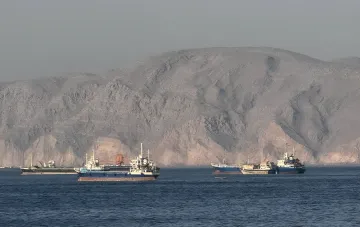
International diplomacy has reached a critical juncture. The United States, Iran, and Oman are on the verge of signing an interim agreement aimed at restoring shipping through the strategically vital Strait of Hormuz. According to the latest reports, Washington plans to officially announce the agreement as early as today, Wednesday.
The Essence of the Agreement: Compromise for Stability
Regional sources report that the document outlines a temporary agreement lasting 60 days, which can be extended if necessary. A key aspect of the deal was the satisfaction of several of Tehran's demands. Specifically, Iran secured enhanced control over vessel traffic in the strait—a condition that had not previously been discussed to such an extent.
This decision is the result of complex diplomatic efforts. In addition to direct negotiations between Oman and Iran, officials from Qatar, Pakistan, and Saudi Arabia participated in the mediation process. The White House also played an active role, initiating a series of intensive contacts in recent days.
The Diplomatic Race: From Phone Calls to Approval
At the center of the negotiation process were Donald Trump's special envoy Steve Witkoff, Iran's Foreign Minister Abbas Araghchi, and Oman's Foreign Minister Bader Al-Busaidi. Several phone calls between these figures allowed for the development of the document's final wording.
According to two Iranian officials, Araghchi gave preliminary consent to the deal over the weekend. However, for the agreement to take effect, approval from Iran's highest authorities—Supreme Leader Ali Khamenei and the Supreme National Security Council—was required. On Tuesday, Iran's leadership completed this approval process.
Washington's Stance and Economic Consequences
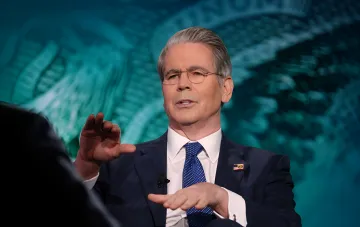
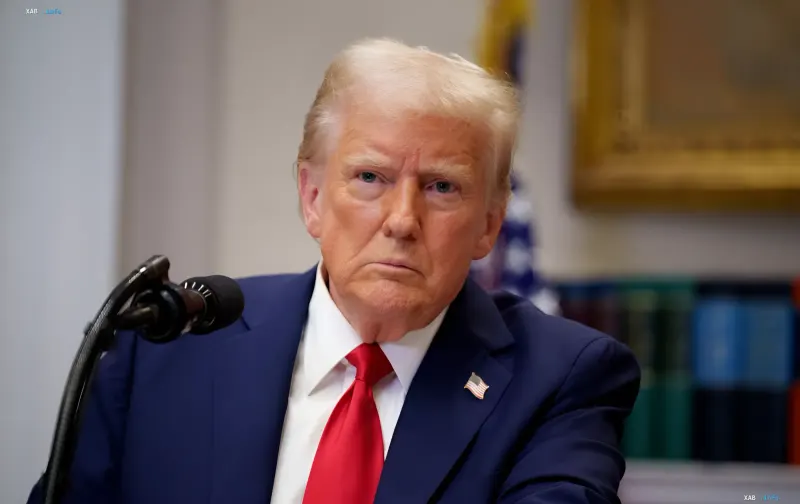
The United States has shown determination regarding the settlement. President Donald Trump stated a couple of days prior that Iran has a "last chance" to reach an agreement with Washington, emphasizing that negotiations are underway. US Treasury Secretary Scott Bessent added that the parties are literally a step away from a peace deal if they can agree on the details of strait control.
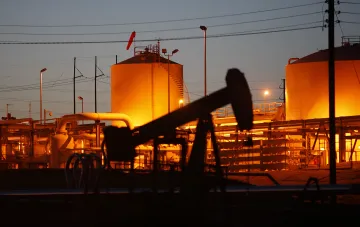
Reaching an agreement has global significance for the world economy, as the Strait of Hormuz remains one of the main arteries of global oil trade. Restoring stable shipping could reduce tension in energy markets and prevent further escalation of the conflict in the region.