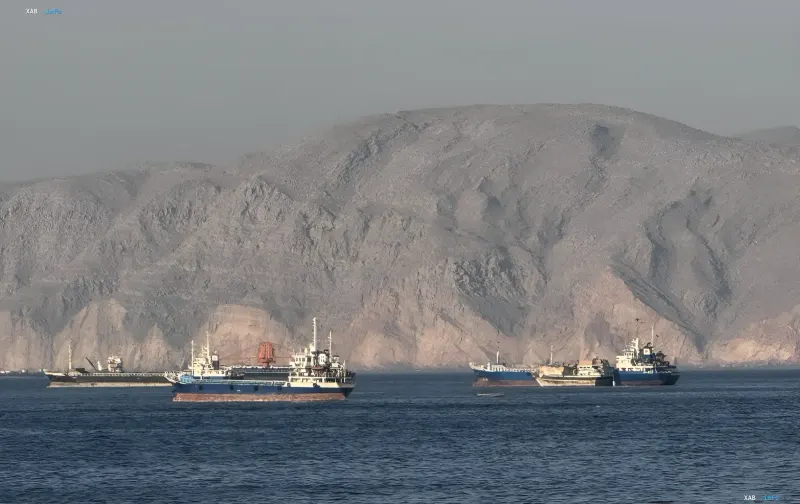
The situation surrounding one of the world's most important trade routes is nearing resolution. Iran and Oman have practically completed work on an agreement regulating shipping in the strategic Strait of Hormuz. The parties have reached a consensus on a key technical issue — the geographic coordinates of the route that vessels will follow.
Negotiation Details and Tehran's Position
Iranian Foreign Ministry representative Esmaeil Baghai, during a briefing on August 5, confirmed that the joint statement is in the final stages of refinement. According to him, the dialogue between Tehran and Muscat is conducted in a professional manner and demonstrates positive dynamics. However, Baghai made an important clarification: the implementation of the agreement is possible only on the condition that third parties do not interfere in the process.
Official Tehran also clarified the legal nature of the future document. Baghai emphasized that the bilateral agreement between Iran and Oman itself does not guarantee absolute safety on the waterway. Nevertheless, the proposed scheme will provide Iran with control over vessels entering the Persian Gulf through the strait.
Washington's Reaction and Shipping Forecast
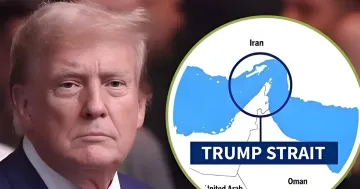
Parallel to the negotiations in the region, diplomatic activity has intensified in Washington. It was previously reported that the US and Iran are a step away from a peaceful agreement if the parties manage to coordinate issues of control in Hormuz. US President Donald Trump stated that negotiations with Iran are progressing rapidly and announced the full resumption of normal shipping in the strait as early as August 4.
Thus, the region stands on the threshold of significant changes in logistics and maritime transport security, where the coordinated actions of Iran, Oman, and the position of the US play a key role.