
As part of large-scale repatriation efforts, Ukraine has managed to return the bodies and remains of more than 26,000 fallen Ukrainian servicemen to government-controlled territory. However, this colossal volume of work has encountered severe systemic problems, the main one being the lengthy and complicated official identification procedure. Hundreds and thousands of families of fallen heroes are forced to endure months or even years of agonizing uncertainty due to bureaucratic barriers.
Coordination Council Meeting and Leadership Position
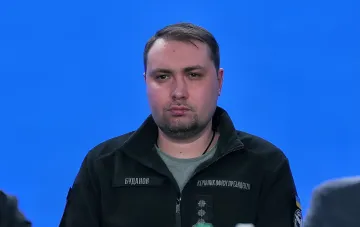
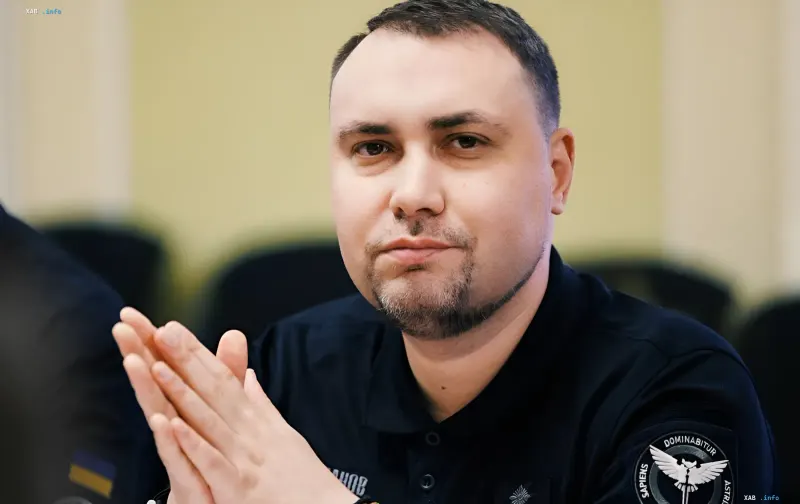
The Head of the Office of the President of Ukraine held a special meeting of the Coordination Council dedicated to protecting the rights of veterans, their family members, as well as issues related to prisoners of war and missing persons. During the event, it was emphasized that establishing the identity of every fallen soldier is a direct and absolute obligation of the state. The Head of the OP stressed the unacceptability of any delays, formalism, and regulatory violations in the existing forensic medical examination system, demanding a radical overhaul of the approaches used by specialized agencies.
Concrete Steps and NSDC Decisions
Following the meeting, a clear action plan was developed to overcome the identification crisis. Dmytro Lubinets, the Ukrainian Parliament Commissioner for Human Rights, announced that this issue has been placed under the special control of the National Security and Defense Council of Ukraine (NSDC). The government is required to urgently adopt the necessary regulatory legal acts to increase the number of qualified forensic medical experts, raise their financial compensation, and establish specialized regional forensic medical examination bureaus.
Consequences and Repatriation Context
Regular repatriation activities continue on an ongoing basis: for instance, over the past few months alone, Ukraine has returned hundreds of bodies of fallen fighters (specifically, 252 bodies on September 17 and 261 bodies on August 13). The implementation of the planned reforms will not only ease the burden on current examination centers but also significantly reduce waiting times for the defenders' relatives. The state expects these measures to reduce social tension and restore justice for every individual who gave their life for the country.