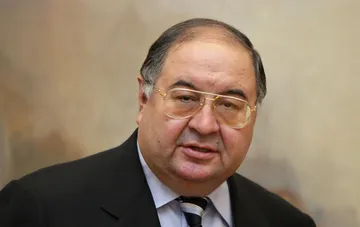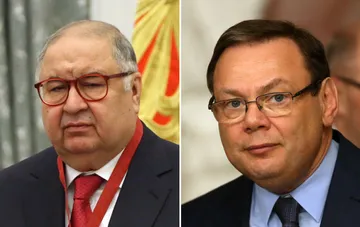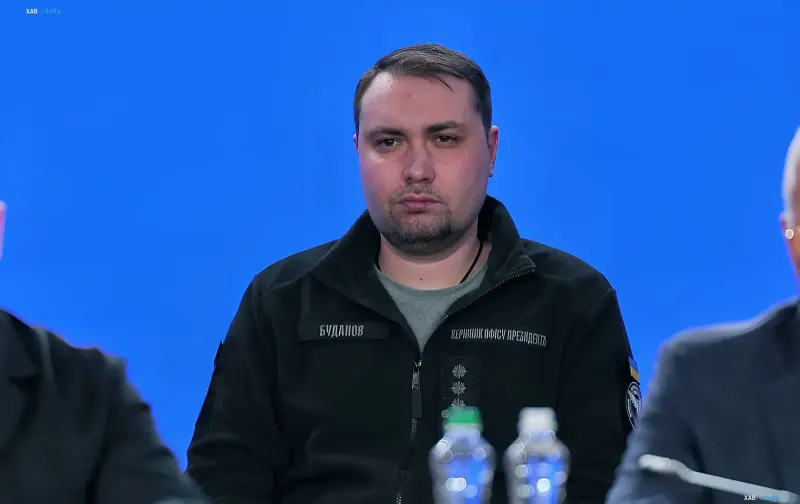
Kyrylo Budanov, Head of the Office of the President of Ukraine, publicly called on European capitals not to weaken the sanctions regime against Russia during the YES Annual Meeting 2026 conference, organized by the Viktor Pinchuk Foundation. In particular, he pointed out that two Russian oligarchs — Alisher Usmanov and Mikhail Fridman — are counting on the lifting of restrictions against them in the coming days, and warned that this is unacceptable. "Right now, two gentlemen, as they are called in Russia, — Usmanov and Fridman — believe that in a few days the sanctions will be lifted from them. And I am, so to speak, calling on everyone not to weaken the sanctions regime, so that these people cannot continue to finance the Russian military machine," Budanov stated, emphasizing that in addition to introducing new restrictions, it is necessary to monitor the existing ones and prevent attempts by Russians to escape the sanctions regime.
Context of the speech: YES Annual Meeting 2026 conference
The statement was made at the YES Annual Meeting 2026 venue — an annual forum run by the Viktor Pinchuk Foundation that traditionally brings together Ukrainian and international politicians, businesspeople, and experts. The choice of format for such a statement is no coincidence: Budanov used the public platform to record Kyiv's position ahead of a key vote in the Council of the EU. In photos from the event, the Head of the OP is seen wearing a black jacket with a "BUDANOV" patch and the title "Head of the President's Office," underscoring the official nature of his participation in the discussion.
France and Slovakia block the extension: version from Brussels sources
According to information previously obtained by Brussels-based journalist Rikard Jozwiak, it is France and Slovakia that are opposing the automatic extension of the EU sanctions package against Russia. Brussels sources claim that both countries are putting forward a condition: lift the restrictions on Mikhail Fridman and Alisher Usmanov in exchange for a "yes" vote on the extension. Thus, the question that Budanov described as "a few days until the sanctions are lifted" turned out not to be hypothetical, but a reflection of real diplomatic bargaining taking place in the corridors of the Council of the EU.
Critical deadline: September 14–15
The situation is made acute by tight deadlines: as early as Monday, September 14, the ambassadors of the EU countries will meet to discuss the extension of the current sanctions regime. The deadline for the expiry of the current package of restrictions is September 15. If a compromise between Brussels, Paris, and Bratislava is not reached by that time, there is a risk that some of the restrictions will expire without timely extension, creating a precedent for weakening pressure on the Russian economy and on specific individuals linked to financing the Russian military machine.
New sanctions package: response to sabotage
In parallel with the discussion on extending the current restrictions, the EU is working on a new sanctions package. According to Brussels sources, it is aimed at individual Russian citizens and so-called "shadow fleet" — a network of vessels used to circumvent export restrictions on oil and petroleum products. The initiative was launched in response to a series of Russian sabotage operations on the territory of EU countries, which, according to Kyiv's assessment, only confirms the need to maintain and tighten pressure, rather than ease it.
Ukraine's position: systematic monitoring, not one-off packages
The key emphasis in Budanov's speech is not so much a call to "add new names" but a demand for systematic control to ensure that existing restrictions are not circumvented or lifted selectively under pressure from individual capitals. For Kyiv, lifting sanctions on Usmanov and Fridman means not only the loss of an economic lever but also a signal to the other figures on the sanctions lists that pressure can be removed through lobbying in individual EU countries. That is why the Ukrainian side views the upcoming September 14 meeting as a test of EU solidarity in a situation where some members of the bloc are trying to use the extension as a bargaining tool.