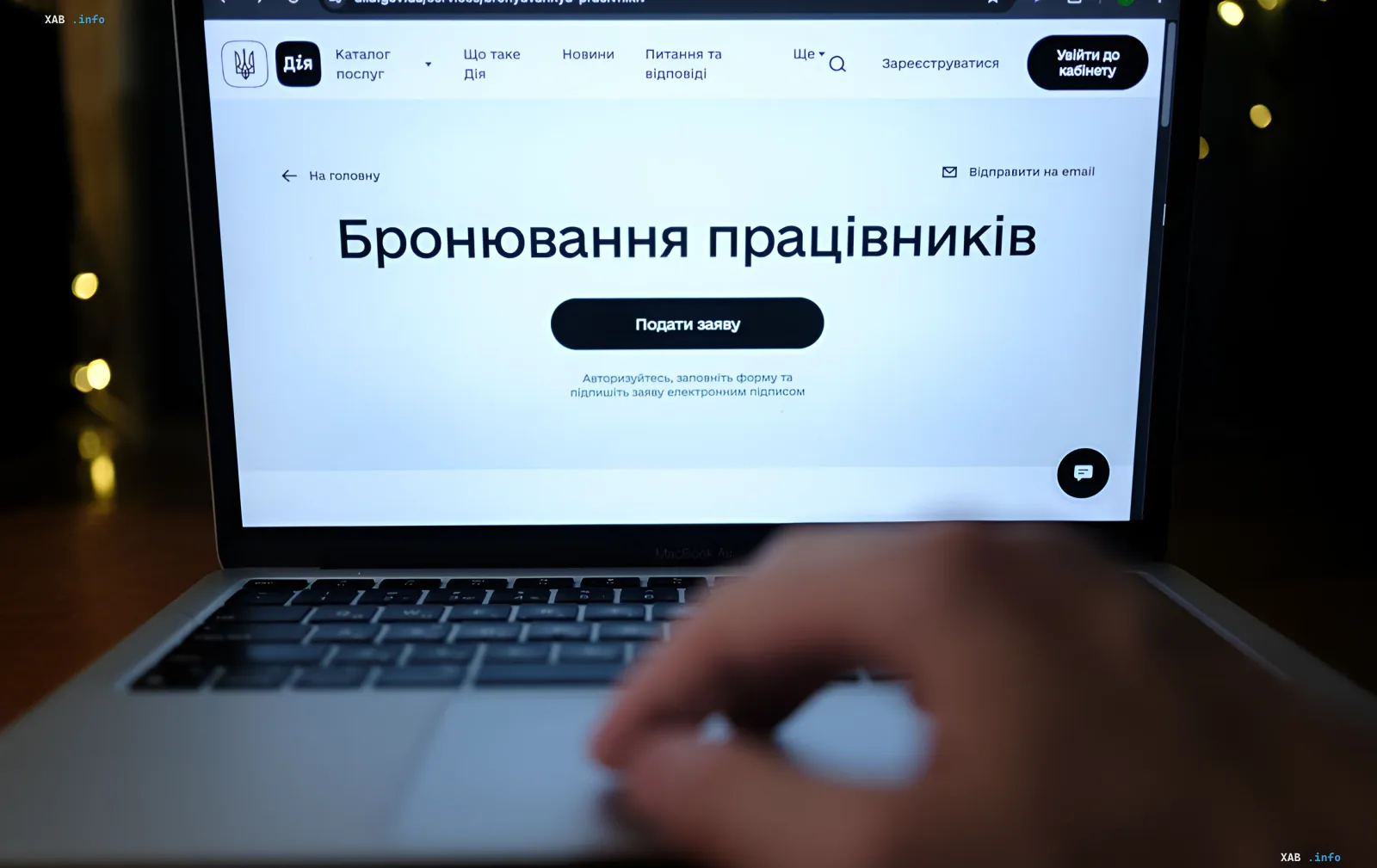
The Ukrainian business community is expressing deep concern over the Cabinet of Ministers' intentions to revise existing regulations and tighten the rules for reserving liable citizens from mobilization. Such initiatives, according to experts and entrepreneurs, pose serious risks to the stable functioning of key economic sectors amid the ongoing military conflict.
Business reaction and threats to the economy
According to the European Business Association (EBA), any sudden changes to reservation conditions could trigger an outflow of critical personnel from enterprises that ensure the state's livelihood. Representatives of the business community emphasize that they fully recognize the acute need to strengthen Ukraine's Defense Forces, but insist on maintaining a delicate balance between frontline needs and maintaining the viability of the rear. Earlier, by September 1, all critical businesses had already re-confirmed their status under new requirements, and repeated complication of procedures is perceived extremely painfully by entrepreneurs.
The essence of the planned innovations
According to informed sources, government officials are considering a whole range of significant restrictions. In particular, it is proposed to reduce reservation limits for strategically important industries: for defense-industrial complex and energy enterprises, the quota may be reduced from 100% to 85%, and for municipal utilities — from 75% to 60%. In addition, it is planned to change the calculation formula itself, excluding those who already have other grounds for deferral from the total number of liable employees, and to create a special Coordination Center of 17 people.
Contradictory data
There are certain discrepancies in the estimates of the scale and timing of the upcoming government reforms. Official agencies declare the need to streamline processes and combat potential abuses in obtaining criticality status. At the same time, employers' associations insist that the final quota parameters have not yet been properly agreed upon, and the decision-making process itself takes place behind closed doors, without proper public discussion with relevant experts and investors.
Calls for open dialogue
In the current situation, business associations are calling on the Cabinet of Ministers to abandon hasty steps and ensure the most transparent, open dialogue with entrepreneurs. The expert community demands prior publication of all draft laws and regulatory acts to avoid destabilization of labor markets and critical infrastructure facilities in the midst of the 2026 autumn-winter period.