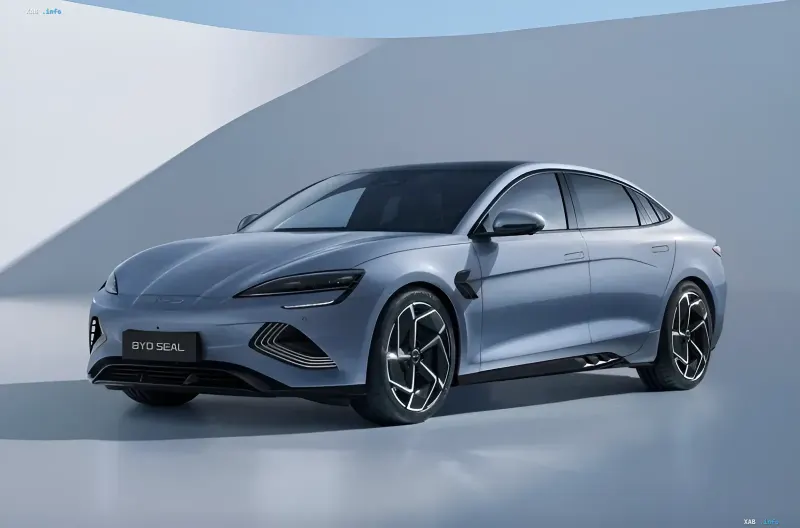
Chinese concern BYD has entered the top five largest automakers in the world for the first time in its history. In the third quarter of 2026, the company sold 1.32 million vehicles, up 18.7% year-on-year, overtaking the Renault–Nissan–Mitsubishi alliance, which previously held one of the top spots in the global ranking. At the same time, South Korea’s Hyundai Motor Group climbed to third place in the ranking, narrowing the gap with the leading Volkswagen Group to approximately 125,000 vehicles. Thus, the upper tier of the global ranking has shifted: a Chinese manufacturer has made it into the top 5 for the first time, while traditional European and Japanese alliances have lost ground.
A New Order in the Global Standings
Toyota Group remained the leader of the ranking at the end of the quarter with 2.74 million vehicles sold. The second position, according to data published by The Korea Herald, was taken by Volkswagen Group, which delivered 1.89 million cars. Hyundai Motor Group took third place with 1.76 million vehicles. BYD rounded out the top five, followed by General Motors, which increased its sales by 5.2% to reach 1.03 million cars. The realignment at the top of the table was the major story of the quarter: the Chinese brand secured its place among global leaders, while the Franco-Japanese Renault–Nissan–Mitsubishi alliance dropped out of the top 5.
Export as the Main Driver of BYD's Growth
A key factor in BYD’s success was the sharp expansion of overseas shipments amid intensifying competition in the domestic Chinese market. During the quarter, the company’s exports surged by 137% to reach 551,000 vehicles, accounting for about 42% of total sales. It was this growth in overseas shipments that allowed BYD to increase its overall sales volume despite competitive pressure at home. For the industry, this is a signal: Chinese brands are increasingly stepping onto external markets and are no longer solely dependent on domestic demand.
Pressure on Traditional Leaders
Conversely, the positions of the world's largest automakers came under pressure from the Chinese market. Volkswagen's deliveries in China dropped by 38.5% to 406,000 vehicles, while Toyota's sales in September fell by 19.7%, continuing a downward trend for the eighth consecutive month. The Renault–Nissan–Mitsubishi Alliance saw quarterly sales decline by 11.1%, with Nissan losing 61.6% of its sales in China. This exact factor caused the alliance to cede its place in the top five to its Chinese competitor.
Mixed Results Within Hyundai Motor Group
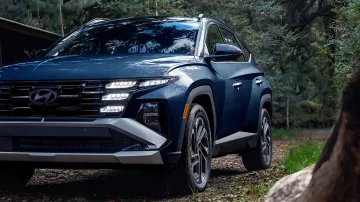
Within the South Korean group, the picture was contradictory. Kia increased sales by 6.9% to 829,000 vehicles, while Hyundai Motor cut them by 10.1% to 931,000. The production figures of the latter were affected by strikes at facilities in South Korea, as well as declining sales in Europe and China. Nevertheless, the group’s combined performance allowed it to rise to third place in the global ranking and close in on Volkswagen Group.
The outcome of the third quarter of 2026 was a redistribution of positions at the top of the global automotive industry: China's BYD secured its spot in the top five leaders, driven by exports, while traditional alliances of Japanese and French concerns continue to lose ground under competitive pressure in the key Chinese market.