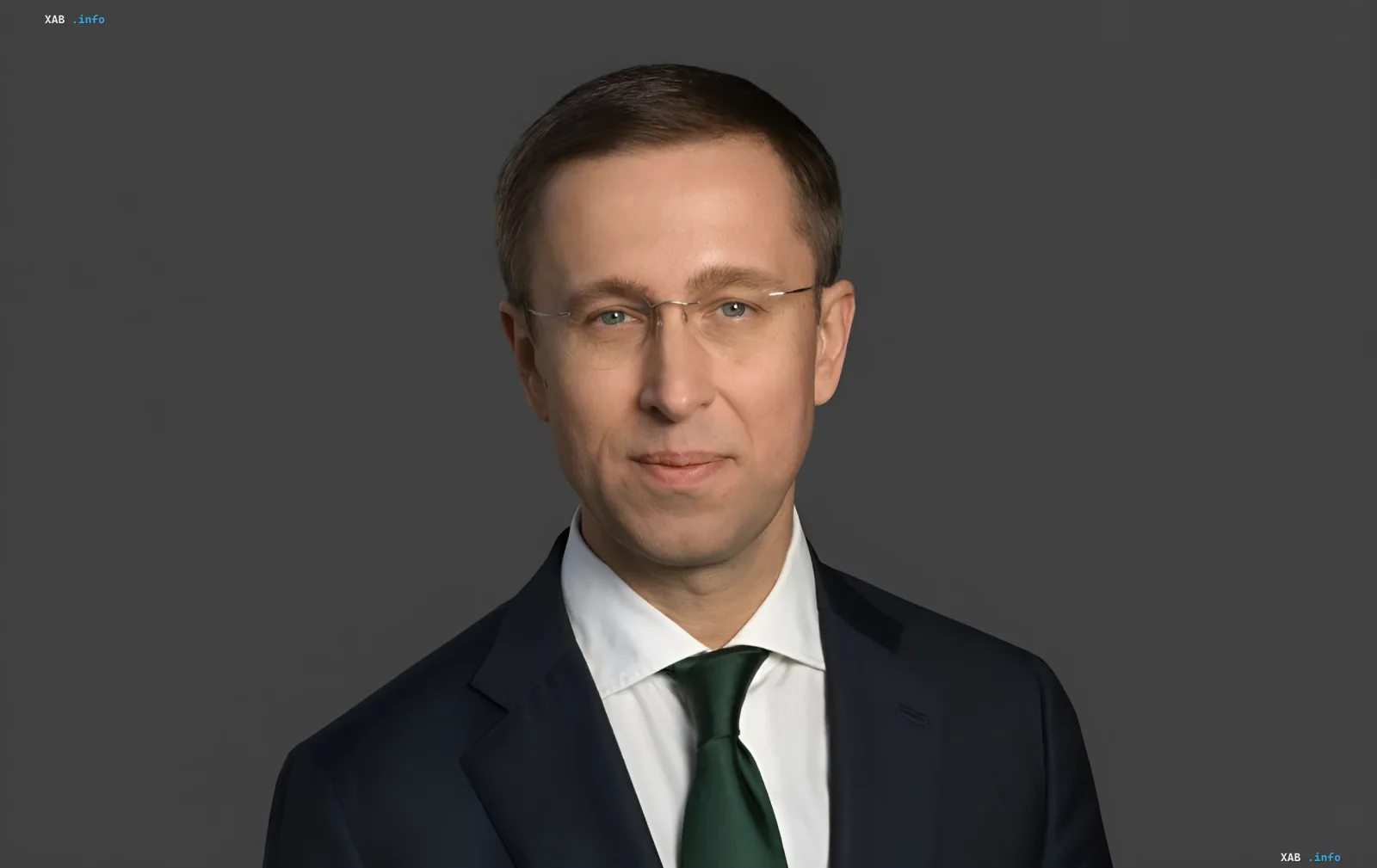
The Government of Ukraine has adopted a package of decisions aimed at adapting the economy's operations to Russia's new tactics of aerial strikes. This was announced by Prime Minister Serhiy Hordiienko in his Telegram channel, as reported by RBC-Ukraine. The key element of the package is a clear distinction between alert levels and the definition of conditions under which businesses retain the right to continue operating. According to Hordiienko, under the yellow alert level, which indicates a predominantly drone threat, enterprises will be able to function in normal mode provided they strictly comply with safety requirements.
Three Months to Ensure Access to Shelters
The central requirement of the Cabinet of Ministers concerns the organization of shelters. Hordiienko emphasized that unobstructed access for visitors and staff to protective structures must be ensured at every enterprise. For facilities where this has not yet been done, the government has set a deadline of three months to resolve the issue. "In the fifth year of the full-scale war, we cannot disregard people's safety," the prime minister stated, stressing that adaptation to the new realities of aerial strikes has become not a recommendation but a mandatory condition for continuing economic activity.
Mobile Shelters and Decentralization of Logistics
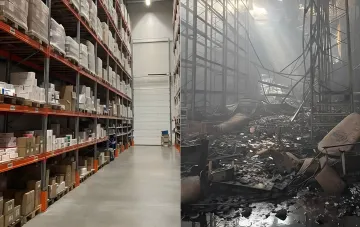
In addition to the requirements for stationary facilities, the Cabinet of Ministers has ordered the acceleration of the installation and outfitting of additional mobile shelters in local communities. The main goal is to protect the civilian population from debris, which is becoming an increasingly common consequence of aerial attacks. In parallel, as previously reported, special working groups are being established in Ukraine to decentralize the warehouses and storage systems of enterprises. This is intended to reduce the risk of total loss of stockpiles in the event of localized destruction and to ensure the resilience of supply chains.
Metro and Budgetary Discipline
A separate item was the decision to maintain full metro operations in Kyiv under the yellow danger level. Hordiienko had previously noted that underground transport should not be halted when the threat is limited predominantly to drones, as this paralyzes the mobility of millions of passengers and the city's logistics. In addition, the government is introducing a strict regime of saving budgetary funds not allocated to defense needs. By design of the Cabinet of Ministers, the freed-up resources are to be redirected to protecting the population and maintaining the functionality of critical infrastructure.
Context: The Fifth Year of War and the New Strike Tactics
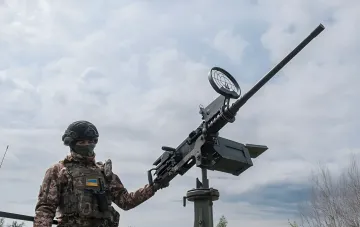
The adopted decisions reflect the evolution of Russia's aerial campaign, which in the fifth year of the full-scale war has shifted toward the massive use of drones and combined strikes on infrastructure. The yellow alert level, introduced to denote a predominantly drone threat, allows authorities to take a differentiated approach to restrictions: instead of total shutdowns of work at every signal, businesses receive a clear set of operating procedures. Nevertheless, as Hordiienko emphasizes, all these measures are aimed at "protecting people and not allowing enemy attacks to paralyze the operation" of the economy. In effect, the government is issuing an ultimatum to the business community: either ensure the corresponding level of protection within three months, or bear responsibility for the consequences in the event of an incident.