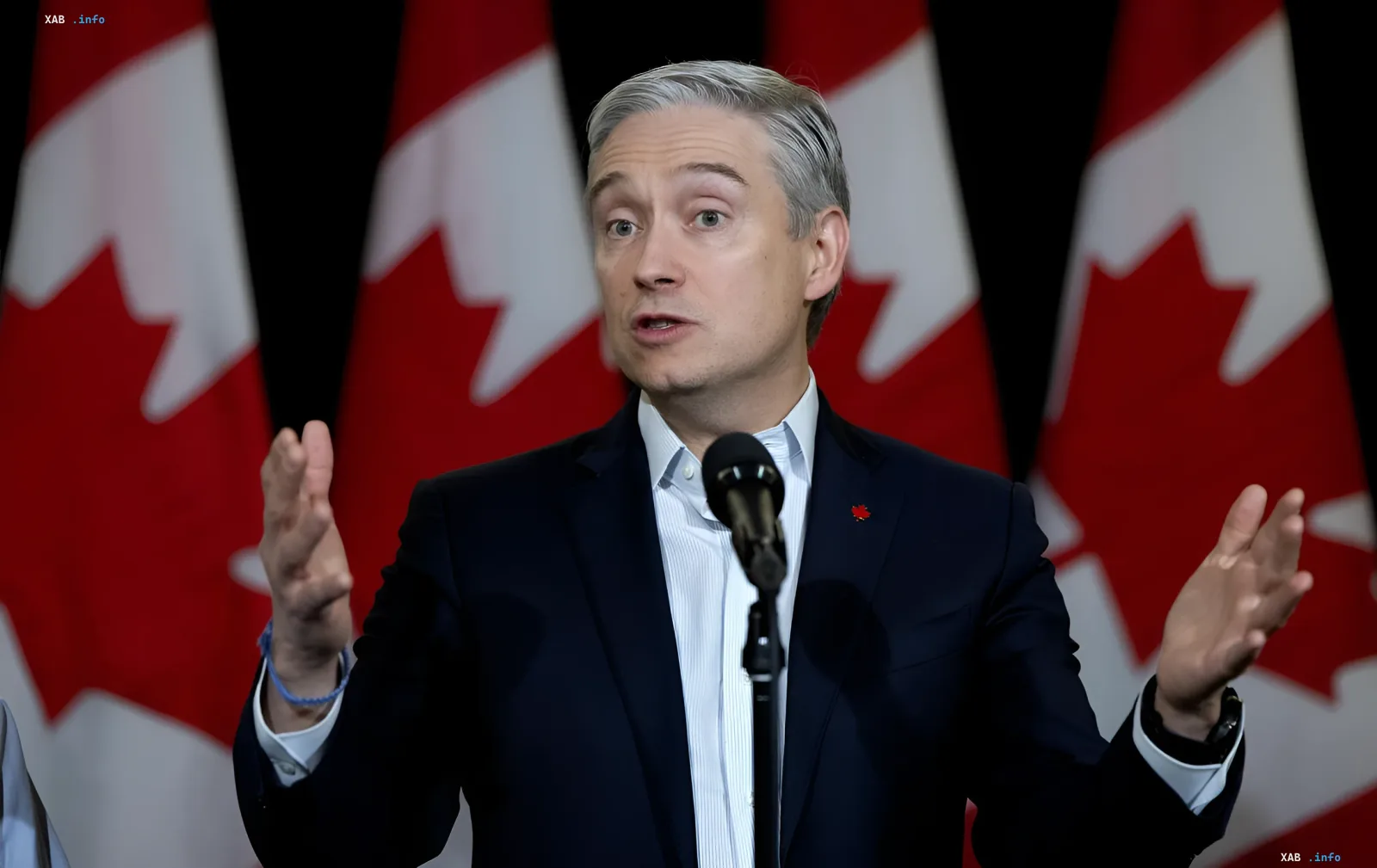
Canada has announced the introduction of additional retaliatory tariffs on American goods of 15%, 25% and 50%, which will take effect on September 8, 2026. This was stated by Canadian Finance Minister François-Philippe Champagne, according to a report by RBC-Ukraine. According to Ottawa's assessment, the new measures will affect imports worth approximately 27.6 billion Canadian dollars (roughly 19.9 billion US dollars). The decision was made as a direct response to the US imposition of 50-percent tariffs on Canadian goods starting August 22.
The “dollar for a dollar” principle
As the Canadian government emphasizes, the size of the counter-tariffs is identical to the American rates and covers the same categories of goods to which Washington extended its tariffs. The 50% rate will apply, in particular, to steel and aluminum, which were previously subject to a 25-percent Canadian tariff, as well as to furniture, clothing and footwear. At the same time, the already existing Canadian counter-tariffs on American goods, including automobiles, remain in force. “We have chosen to protect Canadians. Our counter-tariffs are dollar for dollar, rate for rate, and the multi-billion-dollar support package will protect workers, farmers, families and businesses,” said Finance Minister François-Philippe Champagne.
Support package for business and workers
In parallel with the tariff measures, the Canadian government announced a support package for business and workers worth 7.5 billion Canadian dollars (approximately 5.4 billion US dollars). As envisioned by the authorities, these funds are intended to cushion the impact of the trade war on domestic enterprises and employees. Thus, Ottawa is combining protective customs instruments with domestic stimulus measures, attempting to both push back against the US offensive tariffs and preserve the competitiveness of the Canadian economy.
Contradictory data
Publications from various outlets show a slight inconsistency in wording and timelines. In the statement from the Canadian Ministry of Finance and in RBC-Ukraine's materials, the new tariffs are described as measures that “will be introduced from September 8,” i.e. as a forthcoming action with a specific effective date. At the same time, a number of foreign sources (for example, belta.by, tengrinews.kz) use the past tense — “Canada has introduced retaliatory tariffs,” which may create the impression that the measures are already in effect. In essence, this is a difference between the date of the decision's announcement and the date of its actual entry into force (September 8). Also, in different materials the estimated amount is given in different currencies: 27.6 billion Canadian dollars in the original source and a rounded “about 20 billion US dollars” in the conversion, which is not a contradiction but reflects the currency conversion.
Context: Trump's position and the lawsuit by 25 US states
Against the backdrop of the escalation, it was previously reported that, in Donald Trump's view, Canada seeks to enjoy all the privileges of a US state while refusing to assume the corresponding obligations. One of the main categories affected by the new American tariffs has been automobiles and auto parts: the US administration states that Canada applies unjustified and discriminatory trade measures to American automotive products. Moreover, 25 US states have filed a lawsuit against the Trump administration over the new import tariffs, arguing that the White House is using them as a way to circumvent a Supreme Court ruling and to illegally increase the tax burden on businesses and citizens. Thus, the trade confrontation between the two largest economies in North America is going beyond bilateral negotiations and affecting the domestic legal system of the United States itself.