
Europe is facing an unprecedented climate collapse. As of August 13, 2026, extreme drought has engulfed nearly 40% of the European Union's territory, turning key agricultural regions into scorched wastelands. Data from the European Drought Observatory (EDO) and the Copernicus service record a historical maximum: June and July of this year became the hottest two-month period in the history of observations for Western Europe, surpassing the records of 2022. The average temperature reached a critical 21.62°C, leading to the instant degradation of pastures and the death of crops.
"Winter in the Middle of Summer": The Collapse of Livestock Farming
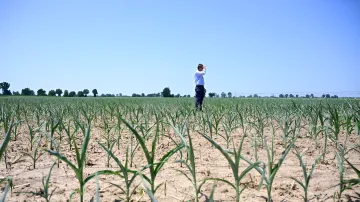
The blow to the EU's food security has been crushing. Due to the complete lack of precipitation and the drying up of grass, farmers across Europe are forced to take unprecedented measures — they are already starting to deplete their inviolable winter feed reserves. In conditions where hay and silage should have been stored in silos until December, they are being used in August to save livestock from starvation.
The situation is most acute in France, which has traditionally been the agricultural donor of the continent. The Farmers' Federation FNPL reports losses of the feed base of up to 60% in certain regions. The country faces its worst corn harvest since 1980. In Germany, particularly in Bavaria, authorities have officially declared the situation "catastrophic" and introduced emergency relief: organic farms have been temporarily allowed to purchase cheap non-organic feed to prevent mass slaughter of livestock.
Energy Crisis: Rivers Shallow, Reactors Stop
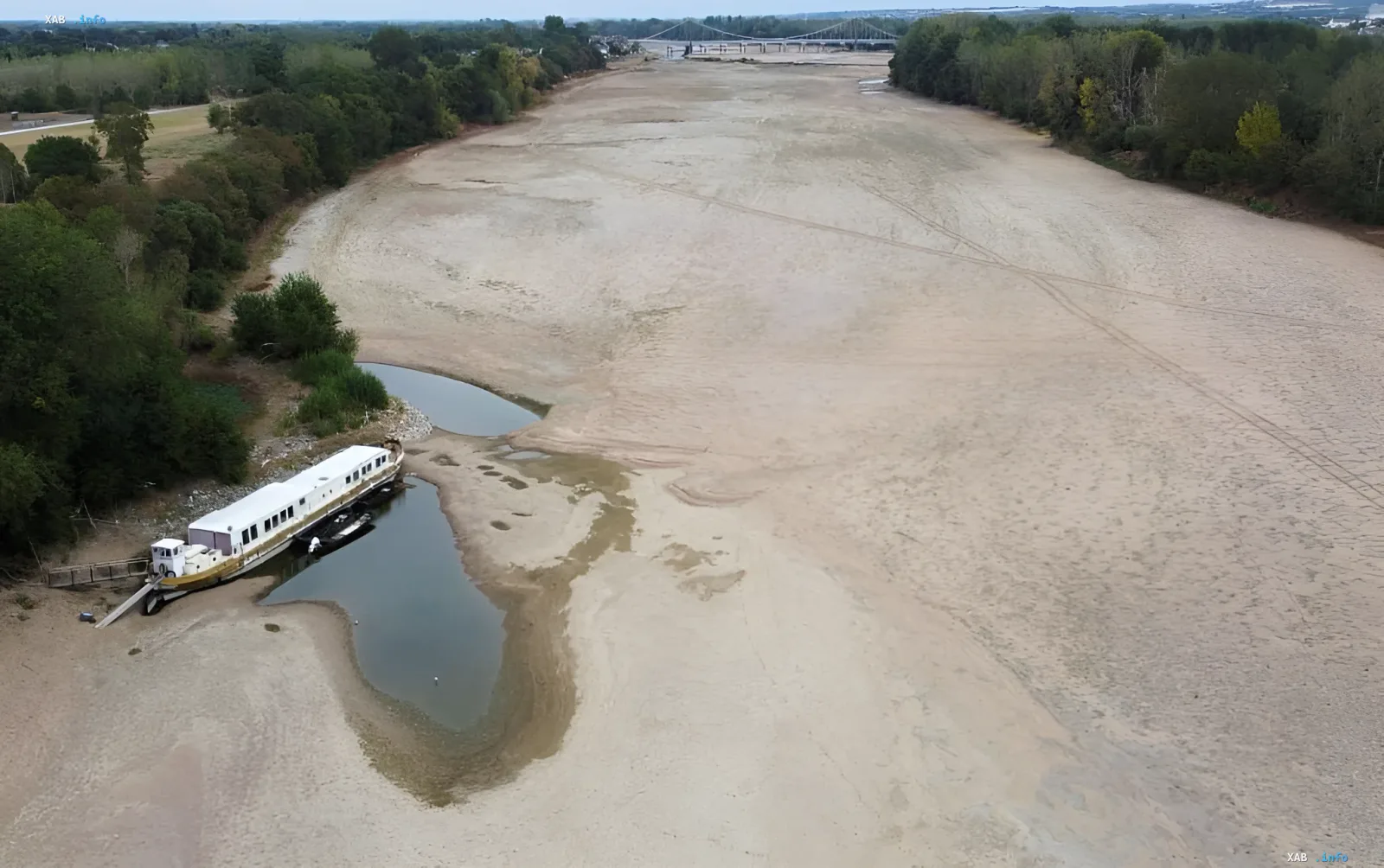
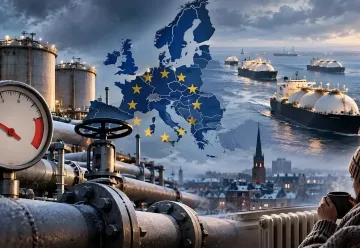
The 2026 drought is hitting not only cows but also the energy sector. Critical shallowing of Europe's main water arteries — the Rhine, Danube, Po, and Rhône — has paralyzed river logistics and threatened the operation of nuclear power plants. Water, necessary for cooling reactors, is becoming scarce.
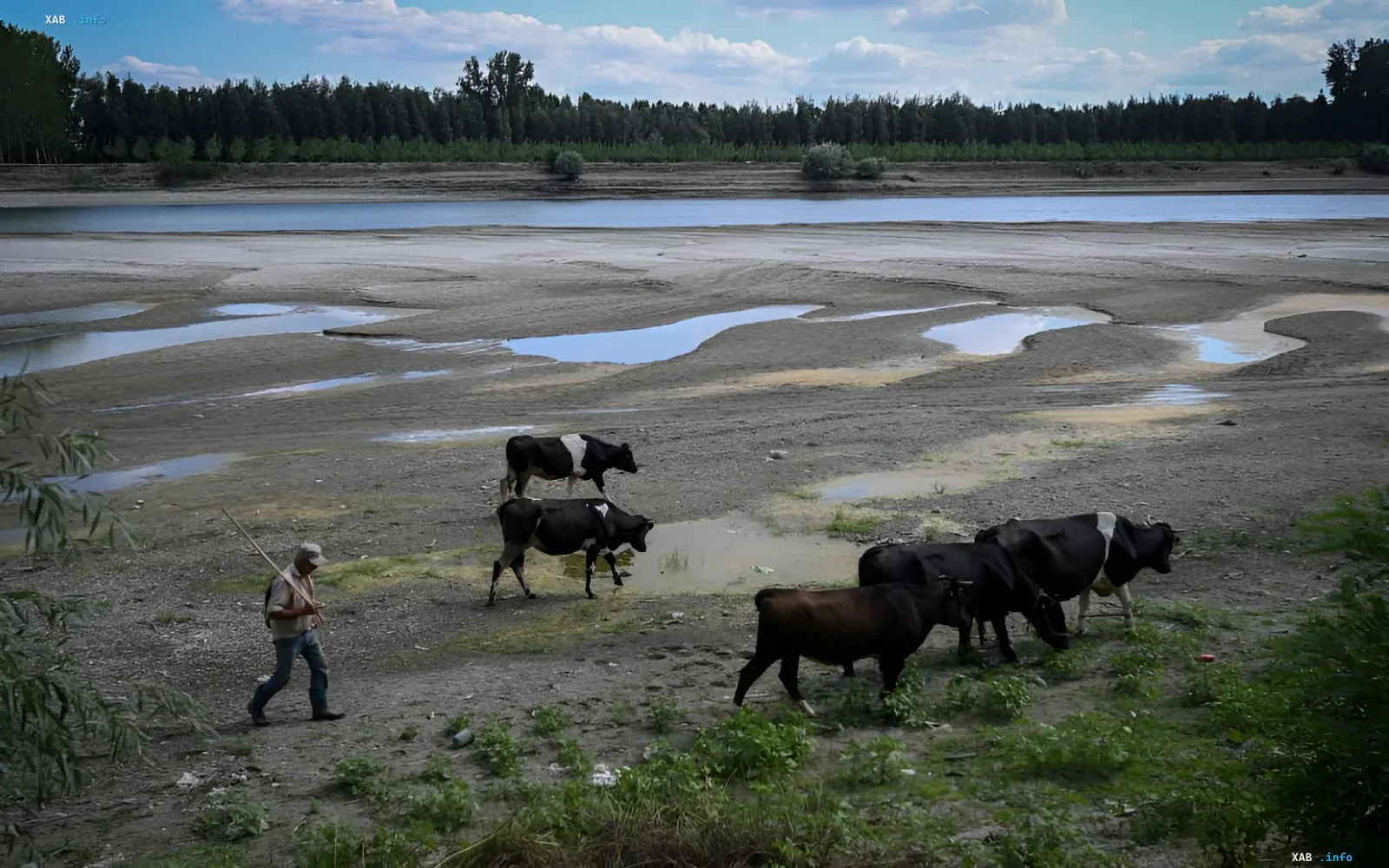
In France, where nuclear energy forms the basis of the energy balance, nuclear power plant output has already been reduced due to the overheating of river water. The situation reached a critical point in Romania: in early August, authorities were forced to begin an emergency shutdown of the only operating reactor at the Cernavodă Nuclear Power Plant due to the falling water level of the Danube. This creates a risk of electricity shortage in the region during the peak of the summer season.
Economic Blow: 180 Billion Euros in Losses
The financial consequences of the climate anomaly could be fatal for the European Union economy. Analysts from the Dutch bank Triodos, who published a report on August 8, 2026, estimate the total damage from drought and heat at 180 billion euros. This constitutes approximately 1% of the entire bloc's GDP — a sum capable of completely nullifying the EU's entire annual economic growth.
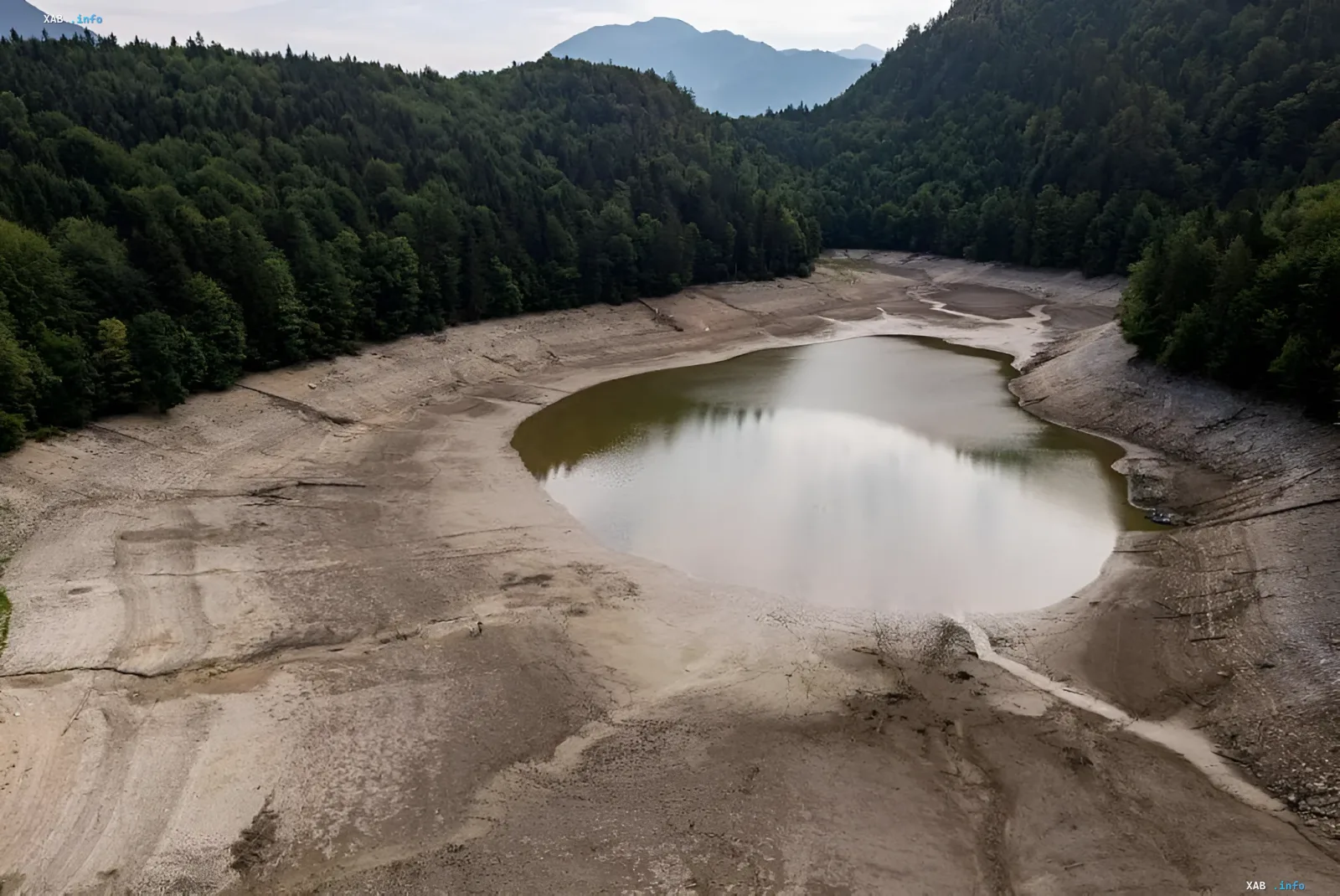
Experts warn of an inevitable inflationary spiral. The consumption of winter feed reserves now means that by November-December, farmers will physically be unable to feed their livestock. This will lead to a forced reduction in herd size and a sharp spike in prices for milk, beef, and cheeses by the end of 2026. Food inflation will exacerbate the economic problems facing European households.
Contradictory Data
Although the general picture of the crisis is confirmed by satellite imagery, there are discrepancies in assessing the scale of damage between various agencies. Copernicus data indicates that 14.8% of the EU territory is in a state of critical drying of arable land, while EDO reports focus on 14.5% of forest areas subject to extreme drought. Some national agencies, for example in Ireland, where an emergency audit of reserves has been launched, give more optimistic forecasts regarding the preservation of silage in certain western counties, while French and German sources speak of a total collapse of the feed base.
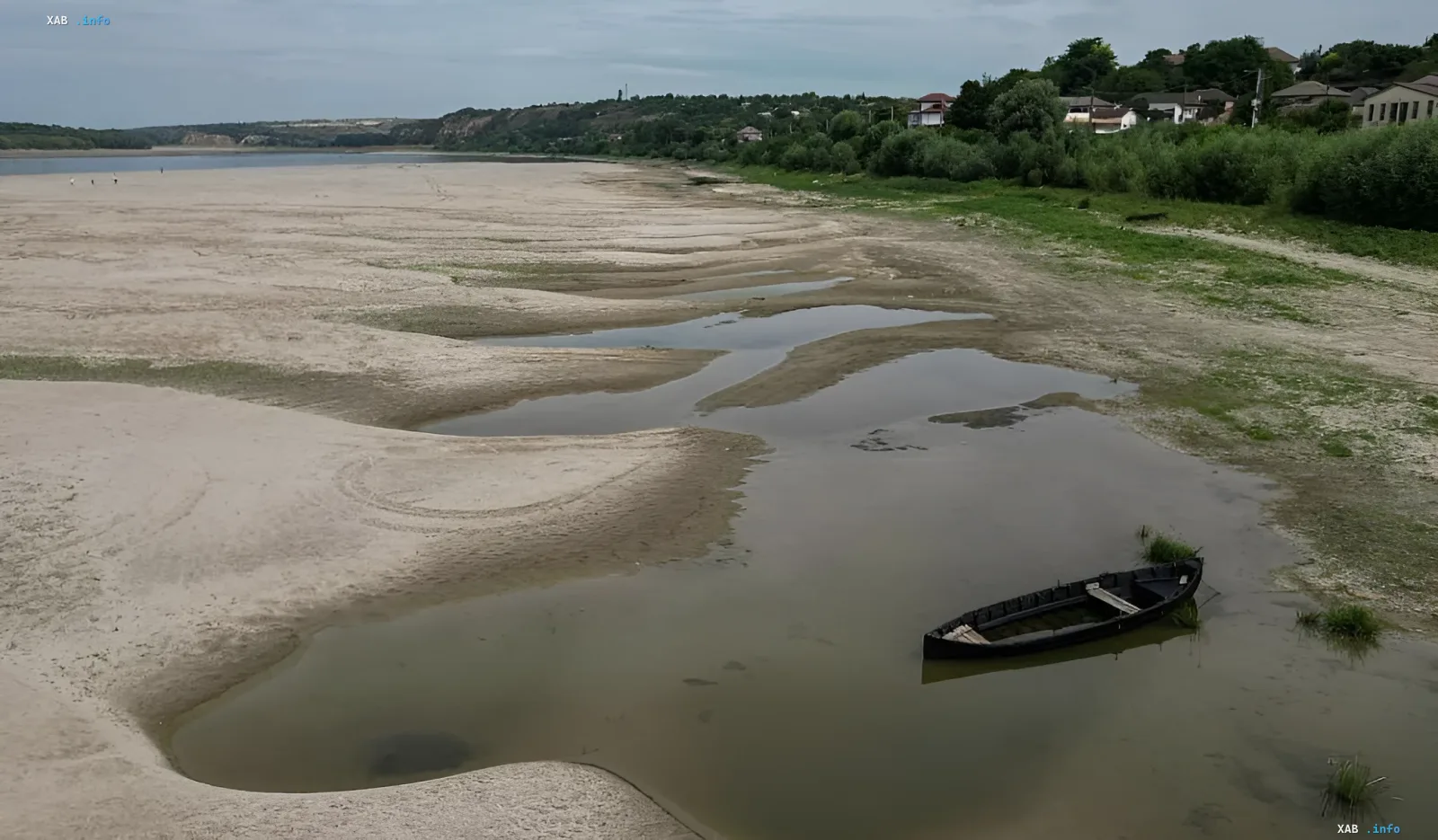
Furthermore, there are discrepancies regarding the dates of the onset of extreme heat. Official Copernicus summaries name the June-July 2026 period as record-breaking, however, meteorological services in some Central European countries record anomalous temperatures as early as late May, which may indicate a longer impact of climate stress than stated in general reports.