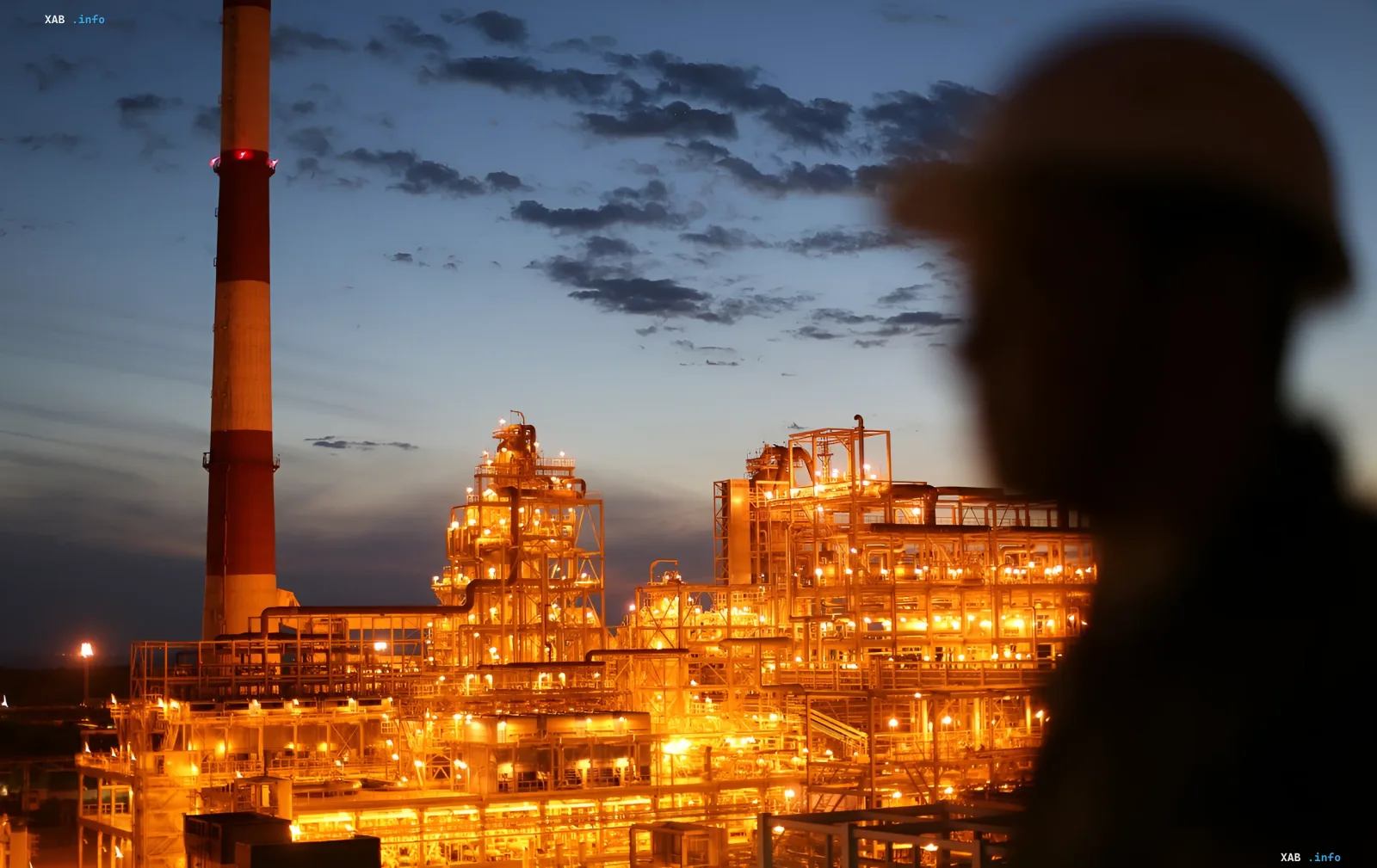
Attacks on Russia's energy infrastructure have taken on a systematic and destructive character. In early August, drone strikes led to the simultaneous shutdown of the country's two largest oil refineries, delivering a critical blow to the fuel sector.
Double Blow in August
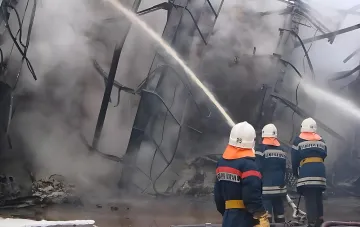
The situation escalated on August 2, when operations at two key facilities were paralyzed. The Saratov Refinery, part of Rosneft, halted oil processing due to damage to production facilities and a fire triggered by the attack. According to industry sources cited by Reuters, the refinery, with an annual capacity of 7 million tons, had its only primary processing unit, the AVT-6, taken out of commission.
Following this, the plant suspended fuel sales on the St. Petersburg Exchange. Experts estimate the repair and recovery time at 2–3 weeks. This is already the second attack on this facility: a similar strike in July required a week to recover.
On the same day, the Volgograd Refinery of Lukoil announced a production shutdown. It is one of the largest enterprises in Russia, accounting for 5% of the country's total oil refining.
Record Drop in Capacity
The August incidents were a logical continuation of July's events. Within a single month, drone attacks forced the shutdown of eight refineries, including the country's largest, the Omsk Refinery, the Ryazan plant, and Nizhnekamsknefteorgsintez.
The cumulative effect of these strikes proved colossal. According to data from the analytics agency EA Analytics, total oil processing volumes in Russia fell to 3.6 million barrels per day. This is the lowest figure since 2002, demonstrating an unprecedented decline in production capacity over the last two decades.
Deep Raid and Strategy
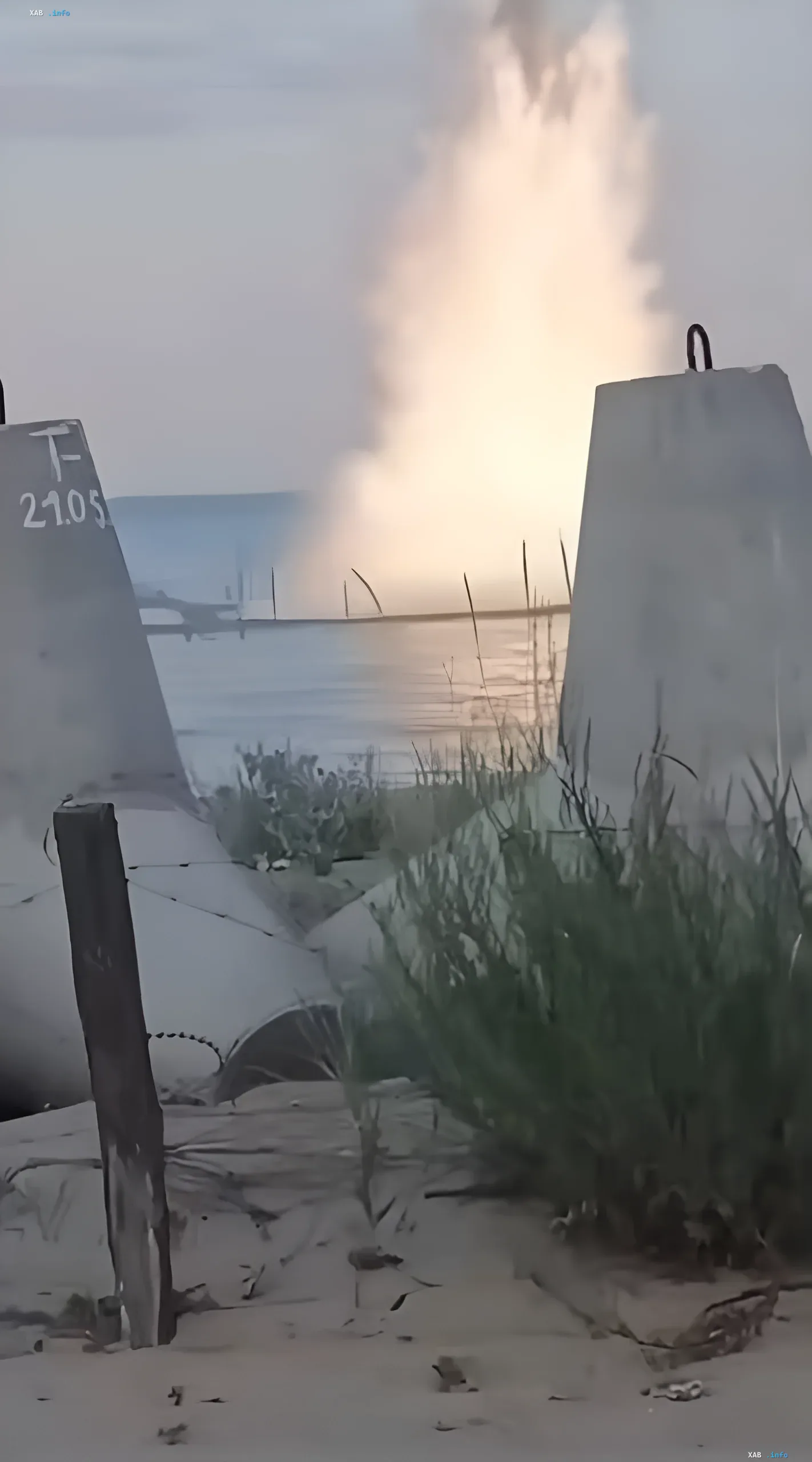
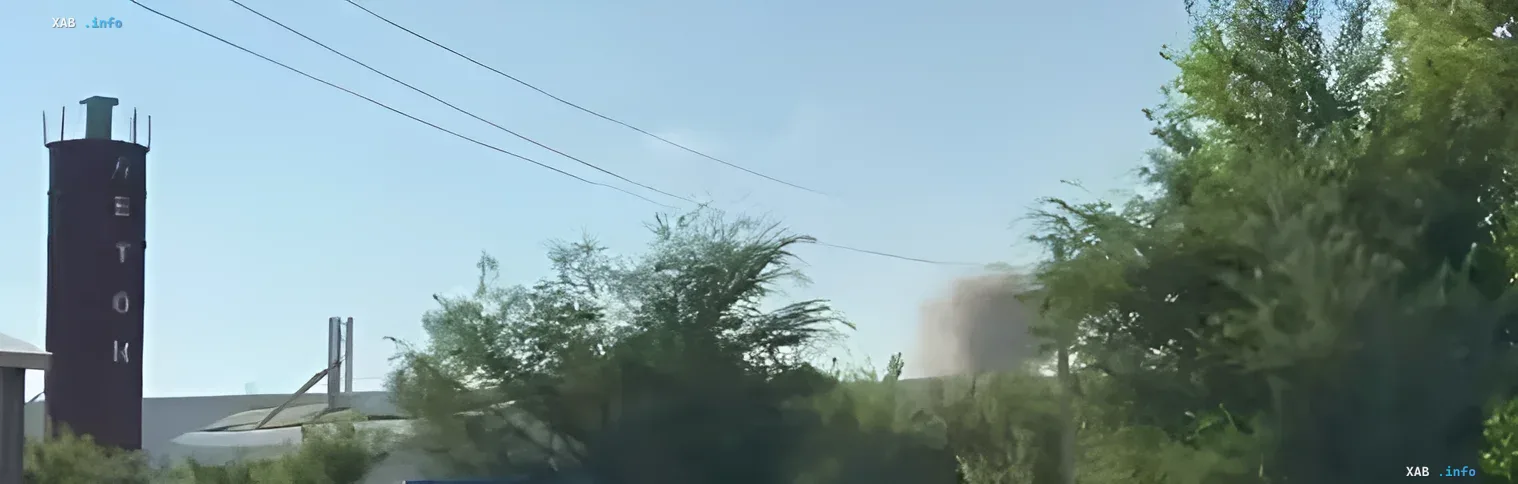
Strikes on infrastructure are deep-reaching, hitting targets at significant distances from the border. On the night of August 4, Defense Forces struck the Syzran Refinery in the Samara region, located 800 km from the border. A large-scale fire broke out on the plant's territory.
Previously, the SBU struck three refineries in Bashkortostan in a single night at a distance of nearly 1600 km. These actions are part of a broader campaign: on June 25, Ukrainian President Volodymyr Zelenskyy announced the start of a 40-day SBU operation to force Russia into peace. During this time, a full chronology of strikes on military, logistical, and fuel-energy targets was compiled — from oil refining giants to marketplace warehouses.