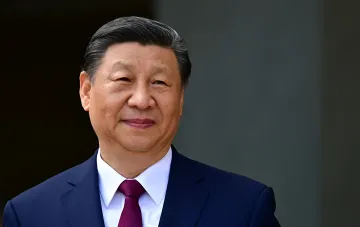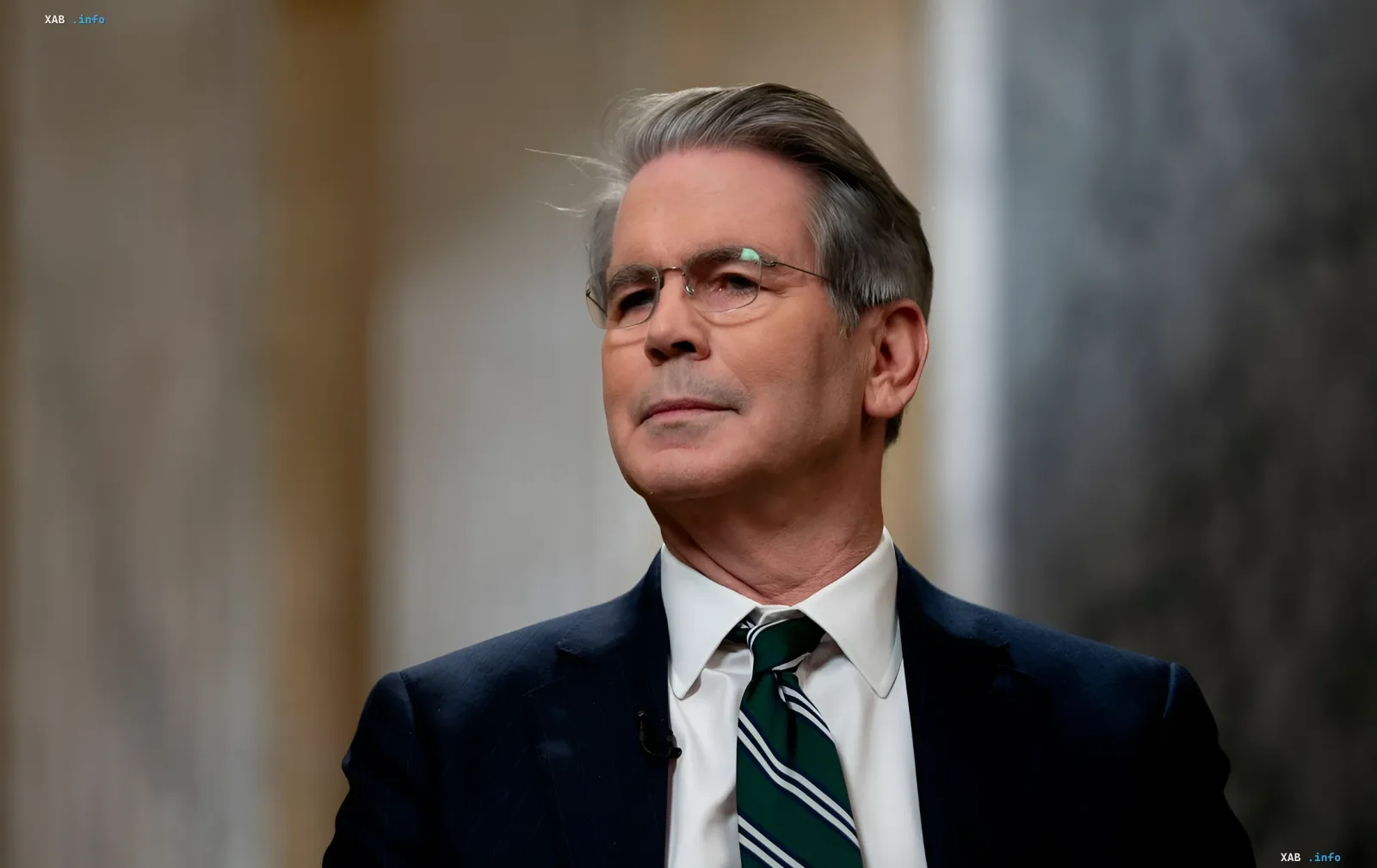
At a press conference following the G20 summit in Asheville, U.S. Treasury Secretary Scott Bessent stated that China prevented the adoption of the group's joint communique due to disagreements over its own trade surplus. According to him, Beijing objected to several provisions of the final document, after which the remaining 19 countries backed an alternative chair's statement, which soon became publicly available.
Washington's Position: "Unsustainable Surplus"
"The country with the largest and most unsustainable current account surplus in the world, the PRC, objected. A non-market economy that constantly generates cheap exports is not sustainable," Bessent said. This wording reflects Washington's line, which in recent months has increasingly accused China of maintaining artificially depressed export prices and a structural imbalance that, in the assessment of the U.S. Treasury, undermines the stability of global trade.
What Exactly Prompted Beijing's Disagreement
According to the statement published after the summit, China expressed particular disagreement with the provisions on the free passage of vessels through the Strait of Hormuz, on the establishment of a task force to further examine and mitigate trade imbalances, on the IMF's powers to monitor trade imbalances, and on provisions related to debt restructuring. Thus, the dispute went beyond the pure statistics of the surplus and touched on issues of maritime navigation and the mandate of international financial institutions.
Contradictory Data
It is important here to distinguish between two versions offered by different sources. The headlines of several publications (RBC-Ukraine, osnmedia, rosbalt) frame the event as a full blockage of the final G20 communique by China. Meanwhile, the text of Bessent's statement, reported via Bloomberg and Reuters, clarifies: it was specifically the joint communique that was blocked, while the chair's statement was supported by all the other 19 countries and published. In other words, the final document did appear in the public domain, but in a reduced, non-consensus form. The difference between "blocking the communique" and "rejecting the consensus text while retaining the chair's statement" is precisely the essence of the discrepancy in how the event is presented.
Context: Economic Pressure on Iran
The statement came against the backdrop of Bloomberg reports that Iran's partner countries are massively ignoring U.S. threats in connection with new, tougher sanctions. According to the outlet, Washington's attempt to stage an "economic offensive" proved largely ineffective due to China's position and the allies' reluctance to sever trade ties. In this light, Bessent's remarks about an "unsustainable" China can be viewed as a public justification for a course of continued pressure on Beijing.
Bottom line: the G20 summit in Asheville concluded without a consensus communique, and the public dispute between Washington and Beijing over the trade surplus and the IMF's mandate will likely continue.