A New Era of Lunar Expansion: Robodogs Instead of Humans
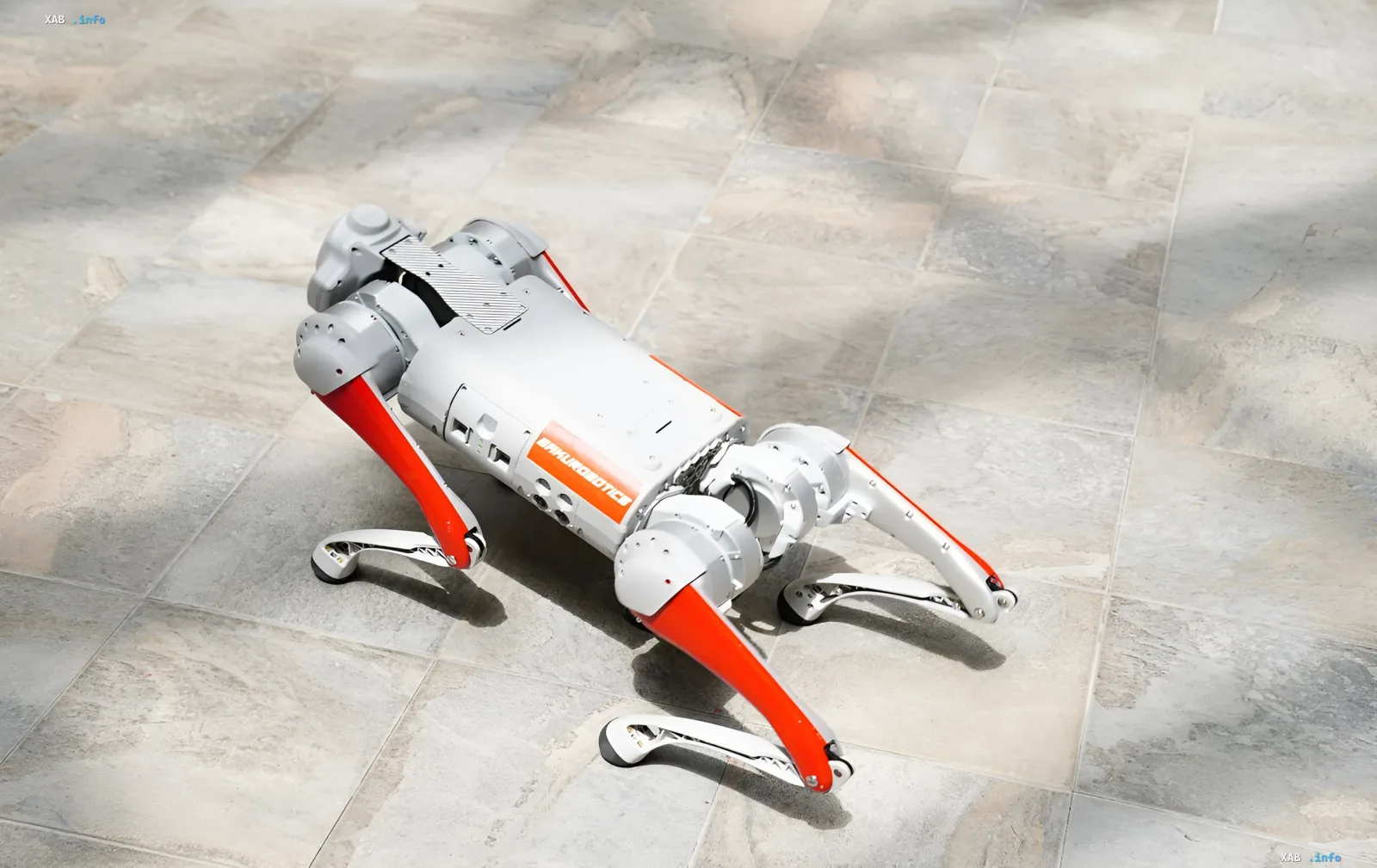
Amidst fierce competition in the space race, China has announced large-scale plans to use autonomous robotic systems resembling dogs for lunar exploration. According to data published in August 2026, Beijing intends to assign these machines the most dangerous and arduous tasks, which were previously inaccessible to humans or required enormous resource expenditures. This involves not just reconnaissance, but full-scale construction, resource extraction, and maintenance of a future lunar base.
The use of quadrupedal robots is driven by their unique mobility. Unlike wheeled rovers, which often get stuck in lunar regolith or cannot overcome the steep slopes of craters, robodogs are capable of adapting to complex terrain. This makes them ideal candidates for working on the surface of Earth's moon, where gravity is six times weaker than on Earth, and the landscape is full of hazardous obstacles.
Multifunctionality: From Ice Mining to Cleaning Living Modules
The role of robodogs in the Chinese lunar program goes far beyond simple surface movement. Experts highlight several key areas of their application. First, this is geological exploration and mapping. The units will collect regolith samples and search for deposits of water ice, which will become a critically important resource for colony life support.
Second, the robots will take on the role of builders. They will be involved in preparing local materials for the construction of protective structures against radiation and meteorites. Third, autonomous systems will service the base itself: patrolling the perimeter, regulating temperature and ventilation, as well as cleaning living blocks and caring for plants in biological modules.
Psychological Support and Domestic Tasks
One of the most unexpected aspects of the project is the assignment of robots as companions for astronauts. Long-term isolation from Earth and life in a confined space create a serious psychological burden on the crew. Robotic dogs will be able not only to prepare food but also to communicate with cosmonauts, providing emotional support. This solution is designed to reduce stress levels and increase the efficiency of the crew's work in extreme conditions.
Technological Challenges and Navigation
To implement this ambitious strategy, China will have to solve a number of extremely complex engineering tasks. In particular, it is necessary to create a new navigation and communication system from scratch, adapted for the lunar surface, where GPS does not work. Furthermore, the artificial intelligence algorithms controlling the robots must be reprogrammed to operate under conditions of low gravity, extreme temperature fluctuations, and data transmission delays from Earth.
Roadmap: From 2026 to 2045
The Chinese space program has clear timeframes. Already in August 2026, a mission to mine and analyze water ice at the Moon's South Pole is planned. This will be the first practical step towards ensuring future settlement resources. By 2035, Beijing plans to complete the construction of the first full-fledged International Lunar Research Station (ILRS) and launch new satellite infrastructure. The final stage, scheduled for 2045, will be the expansion of the lunar complex and the launch of a large orbital research center satellite.