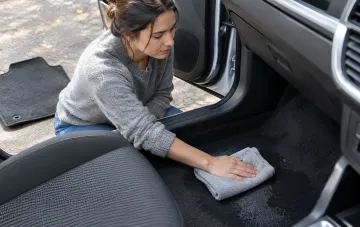
With the approach of persistent frost, drivers usually focus their attention on the battery, windshield wipers, and coolant level. Meanwhile, one of the most unnoticed yet critical elements for winter operation — the rubber door seals — often remains neglected. Dirt, moisture, and sharp temperature fluctuations gradually deprive the rubber of its elasticity, and after rain or a car wash, doors are highly likely to freeze to the body. That is why it is worth paying attention to cleaning and treating the seals before the cold sets in to minimize the risk of problems during the winter season.
Why Seals Lose Their Properties in Winter
A rubber seal is not a static element; it is a material that constantly operates in contact with water, road reagents, dust, and temperature changes. Under the influence of these factors, the rubber dries out, loses its resilience, and becomes more prone to deformation. In practice, this means that even a small amount of moisture trapped at the contact point between the seal and the body turns into ice at low temperatures and "glues" the door shut. Therefore, preparing the seals for frost is not a cosmetic procedure but a part of regular vehicle maintenance.
How and What to Clean the Rubber With
Aggressive substances are unnecessary for seal care: a soft microfiber cloth, water, and a small amount of car shampoo or a mild detergent are sufficient. Michelin's recommendations for rubber seal care suggest using soapy water, a microfiber cloth, and a soft brush for hard-to-reach places. This set allows for gentle removal of dirt and reagent residues without damaging the rubber surface or leaving scratches that would later become moisture accumulation points.
Dryness Is the Main Preparation Stage
It is crucial not to leave moisture at the contact points with the body: at low temperatures, it freezes and becomes the direct cause of doors freezing shut. After cleaning, the rubber must be allowed to dry completely. Only on a dry surface does it make sense to proceed to the next stage — treatment with a special automotive rubber care product. It helps maintain the elasticity of the material and reduces the risk of it drying out during the entire cold season.
Which Product to Choose: Silicone vs. Silicone-Free
Here, one should avoid the temptation to buy the first silicone spray available. Approaches of car manufacturers vary: Ford manuals provide for silicone lubricant for door seals, while Volkswagen, in recommendations for certain models, advises using a special silicone-free conditioner for some door seals. Given this, it is more reliable to refer to the manual for your specific vehicle. The product should be applied in a thin layer to clean, dry rubber, avoiding contact with the glass: Volkswagen specifically warns that some conditioners may leave streaks on the windows.
When Maintenance Does Not Guarantee Protection
Regular maintenance helps keep the rubber in proper condition but does not guarantee complete protection against freezing. If the seals are cracked, deformed, or have lost their elasticity, they should be checked and replaced if necessary — no lubricant will restore a ruined material. Thus, preparing doors for frost comes down to a simple sequence: cleaning with a microfiber cloth and soapy water, complete drying, applying the manufacturer-recommended product, and monitoring the condition of the rubber. Following this order noticeably reduces the risk of stuck doors at the very first frost.