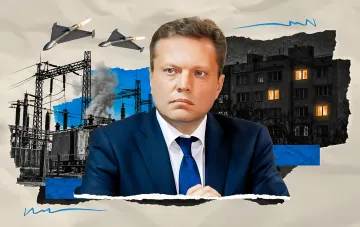
Switching clocks to standard time in Ukraine this year could have a stabilizing effect on the national energy system. Experts note that such a measure allows for a more rational distribution of loads on power grids and reduces capacity deficits during critical periods.
Reasons and Benefits for the Energy System
The main purpose of returning to standard time is to synchronize daylight hours with the biological and work rhythms of the population. In the autumn-winter period, early darkness creates additional tension in the grids due to a sharp increase in household consumption. According to power engineers, although total electricity savings may be around 2%, smoothing out evening peak loads is of critical importance.
Legislative Status and Transition Date
The situation with the transition is complicated by the unresolved issue surrounding bill No. 4201, adopted by the Verkhovna Rada back in the summer of 2024, which provided for the abolition of seasonal time changes. Since the document was never signed by the head of state, Ukraine continues to operate on the standard schedule. This year, turning the clock hands back one hour is scheduled for the night from Saturday to Sunday.
Contradictory Data
Discussions persist among experts regarding the real benefits of changing clocks in modern realities. On the one hand, specialized professionals argue that aligning schedules with natural lighting reduces peak consumption and helps avoid severe power outages. On the other hand, critics of the initiative and representatives of the transport sector point to inevitable logistical costs, schedule disruptions for trains and public transport, and the negligible economic effect from electricity savings, which is offset by modern energy-saving technologies.
The Role of Nuclear Generation and Maneuvering Capacities
Despite seasonal time adjustments, the main foundation of the Ukrainian energy system remains nuclear power plants, which provide from half to seventy percent of total generation. However, the main vulnerability remains the deficit of maneuvering capacities amid damage to thermal and hydroelectric power plants as a result of massive strikes. The developing distributed generation can partially compensate for losses, but it is not always adapted for the operational regulation of peak surges.