In August 2026, a moment of unprecedented candor occurred within the Russian economic elite. Andrey Klepach, the chief economist of the state-owned VEB.RF, speaking at a session of the Nikitsky Club, publicly admitted that Russia is losing the global economic and technological confrontation. Moreover, he stated that in several aspects, the Russian economy is lagging behind even Ukraine, despite the colossal destruction inflicted on Ukrainian infrastructure.
Admission of Defeat in the War of Attrition
Klepach dispelled the popular Kremlin illusion that the Ukrainian economy would collapse under the pressure of war. According to him, hopes for the collapse of the enemy's economy were not justified: "It did not collapse and will not collapse." The expert emphasized that Russia cannot win the economic confrontation as long as the West continues to support Ukraine. Sanctions, the Western blockade, and constant strikes by the Ukrainian Armed Forces on Russian infrastructure — ports, chemical plants, and oil refineries — are leading to rising costs for the Russian economy and falling efficiency.
Technological Lag and Recession in Civilian Sectors
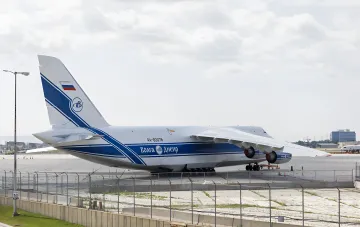
According to the economist's estimates, after a short-term upswing in 2023–2024, the Russian economy shifted to a phase of decline in 2026. Klepach pointed to a sharp reduction in investments and the onset of recession in civilian industrial sectors. Aviation manufacturing, construction materials production, and the light and food industries have fallen into the risk zone. Russia is losing the technological race not only to the US and China but also to Ukraine, which, despite demographic problems, continues to function thanks to financial support from partners.
Financial Deadlock and the Role of the Central Bank
An important factor in the crisis, according to Klepach, was the tight monetary policy of the Central Bank of the Russian Federation. The economist believes that the regulator is responsible for at least half of the current downturn. Major state banks, such as Sberbank and VTB, are recording a deterioration in the quality of their loan portfolios. Problems have also affected the marketplace sector: Wildberries clients are increasingly seeking debt restructuring. An additional blow was the fuel shortage due to strikes on refineries, forcing Russia to start importing gasoline from India.
Forecast of a Social Crisis
Andrey Klepach warned that the combination of economic problems will lead Russia to a "social crisis," which could occur suddenly. He drew a parallel with the events of 1917, noting that the February Revolution also came as a surprise to many. Although the economist does not predict the total collapse of the state, he is certain: "Economically, we will not collapse, but our lag will grow with all the ensuing consequences".