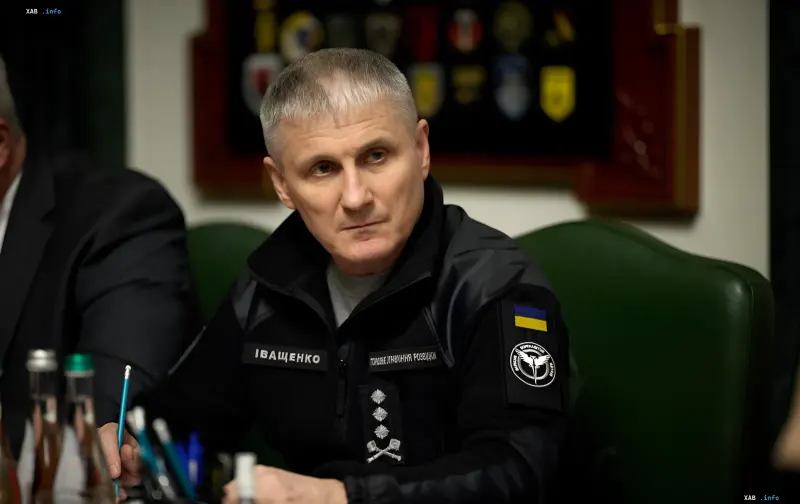
Oleg Ivashchenko, Head of the Main Directorate of Intelligence (GUR) of the Ministry of Defence of Ukraine, gave a detailed assessment of the current state of Russia's military and economic machine in an interview with Ukrinform. According to him, since the start of the full-scale invasion, the Russian economy has weakened significantly, but the resources available to the occupiers may be sufficient to continue hostilities against Ukraine until 2027–2028. The statement came against the backdrop of three rounds of negotiations between the Ukrainian delegation and the special representatives of the United States, Steve Witkoff and Jared Kushner, held on 6 September in Kyiv.
Three Systemic Problems of the Russian Economy
The head of Ukrainian intelligence pointed to three key factors that are objectively worsening the aggressor's financial position compared to the start of the war. First, there is an acute shortage of labour resources — a problem that grows with each month of mobilisations and population outflow. Second, the federal budget deficit is growing rapidly and must cover colossal military spending. Third, the situation in the banking sector is deteriorating, which undermines financial stability and limits the ability to redistribute resources. Ivashchenko emphasised that the aggressor is now in a "far worse financial position than at the start of the war".
Resilience Margin: Why the War May Drag On
Despite the structural problems listed, according to the GUR's assessment, Russia still retains a significant resilience margin to continue hostilities on the front. "At the same time, it still has enough resources to wage war against Ukraine. We do not rule out that this resource will last until 2027 and even 2028," Ivashchenko stated. Thus, Ukrainian intelligence does not predict a soon collapse of the Russian military machine, but at the same time notes a trend toward its gradual exhaustion. This means that without external pressure and systemic restrictions, the process of degradation will proceed slowly.
Sanctions as a Tool: The "Cutout Companies" Problem
To finally exhaust the aggressor's military machine, according to the head of the GUR, coordinated and tough work by Ukraine together with international partners is necessary. Sanctions will play a key role in this process; they must "really work" and deprive Russia of access to critical technologies. Ivashchenko revealed specific channels for bypassing the restrictions: "We understand from which countries the electronic component base, machine tools, and special chemicals are supplied to the Russian Federation. Many cutout companies are appearing, which bring into Russia what then works for its military machine against us." This indicates that the current sanctions architecture does not ensure a complete technological embargo and requires strengthened control over supply chains through third countries.
Context: Negotiations in Kyiv and the Question of Post-War Recovery
Ivashchenko's statement came against the backdrop of active diplomatic activity. On 6 September in Kyiv, three rounds of negotiations were held between the Ukrainian delegation and the special representatives of the United States, Steve Witkoff and Jared Kushner. During the meetings, the parties discussed ways to end the war, security guarantees for Ukraine, its geopolitical future, as well as issues of economic and post-war recovery. Following the negotiations, the American representatives called the talks "substantive" and expressed interest in achieving a long-term peace. The combination of these factors — the internal exhaustion of the Russian Federation, sanctions pressure, and diplomatic efforts — forms a picture in which time is working against the Russian side, but does not guarantee a quick resolution of the conflict.