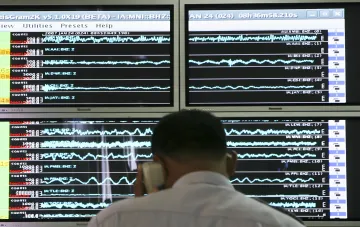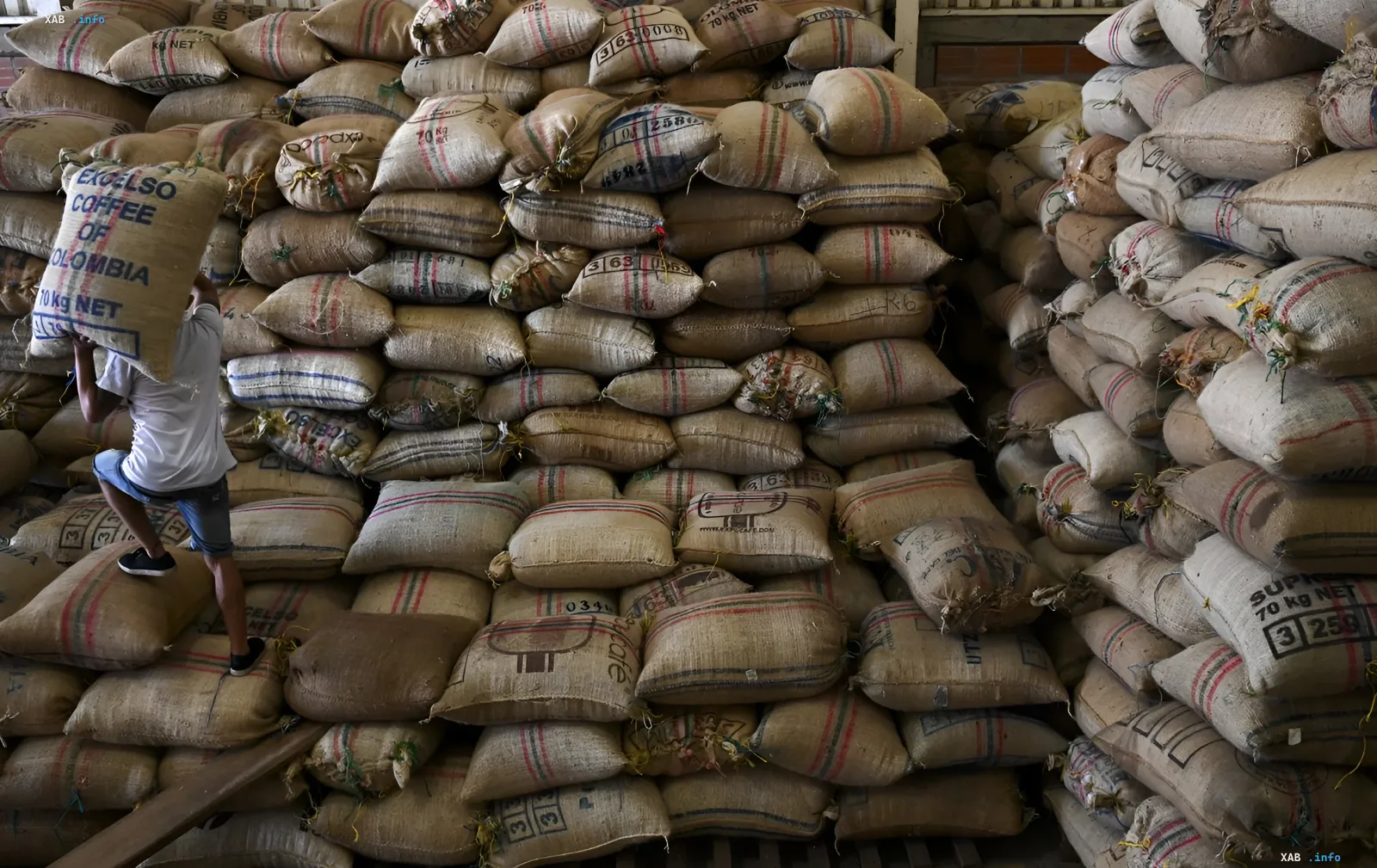
A unprecedented crisis has struck the coffee industry in Colombia. A powerful 7.4 magnitude earthquake that occurred on Monday, August 10, 2026, not only claimed hundreds of lives but also effectively paralyzed coffee exports — one of the country's key commodities. Buenaventura, the main Pacific port through which the lion's share of shipments traditionally passes, has been cut off from inland regions due to destroyed roads and debris.
Logistical Collapse and Port Isolation
The situation is exacerbated by the fact that major coffee-growing regions, such as Cauca, Nariño, and Valle del Cauca, are currently in the active harvest phase. Historically, these departments depend on the logistical artery leading to Buenaventura. Gustavo Gomez, head of the Coffee Exporters Association (Asoexport), confirmed that coffee operations have been completely suspended. "There is currently no official information on when the roads will be fully open," he stated, noting that even individual shipments are impossible at this time.
Human Factor and Production Disruptions
In addition to the destroyed infrastructure, the industry is facing serious staffing issues. Many processing plants and logistics centers are located near the earthquake's epicenter. While there have been no reports of critical damage to the production facilities themselves, operations are hampered by power outages, communication disruptions, and the personal tragedies of workers who have lost their homes. This creates a labor shortage at the most critical moment of the harvest.
Global Consequences for the World Market
Colombia is the world's third-largest coffee producer and the second-largest supplier of high-quality varieties. In 2025, the country produced 13.4 million bags of coffee, exporting about 1 million bags monthly. Any logistical stoppage leads to inventory accumulation, which will inevitably cause shipping queues and delivery delays worldwide even after traffic resumes. This could lead to a rise in prices for premium coffee on international exchanges.
Contradictory Data
There is a discrepancy in assessments regarding the scale of alternative options. On one hand, official sources indicate that ports on the Caribbean coast (Cartagena and Santa Marta) are operating without disruption. On the other hand, experts note that rapidly redirecting logistical flows eastward is technically impossible due to an acute shortage of freight transport and vast distances. Thus, despite the formal operability of alternative ports, the actual volume of exports through them in the coming weeks will be negligible.