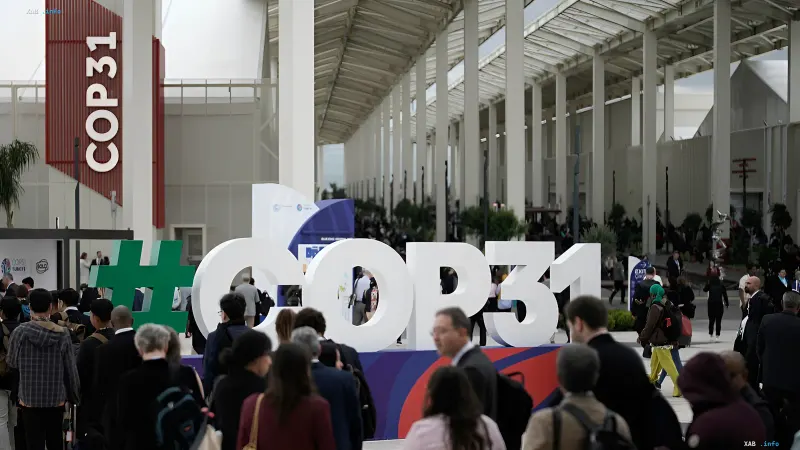
In the massive COP31 conference center in Antalya, Turkey, where representatives from nearly 200 countries have gathered these days, the air is thick with tension. Negotiators are arguing over every single word and comma in the text of the expected climate agreement, which is projected to be adopted on Friday, November 20. Sneakers have become the footwear of choice in the halls, air conditioners hum in the meeting rooms, and adrenaline remains at a level that, participants say, leaves no time for sleep or respite.
«A Mad Adrenalin Rush»: The Price of an Exhausting Marathon
Belgian negotiator Katrine Windey, who specializes in financial support for the population during the ecological transition, describes the conference atmosphere as «a true bubble of excitement.» «We are constantly surrounded by people and barely sleep, a maximum of five hours a night,» she told AFP. Windey admits that at the last two COP conferences she ended up falling ill due to fatigue and the air conditioning in the meeting rooms. For smaller and poorer countries, which often suffer the most from climate change, the task of cutting through the general noise and being heard proves especially difficult. «It's exhausting, but we are here to make sure Africa's voice is heard,» says Djibouti representative Hamda Amin.
An 18-Page Chasm: What's in the Draft Agreement
On Monday, November 16, co-host Australia presented the first draft of a broad political agreement. The 18-page document captures sharply diverging positions on climate policy and contains a call for a faster phase-out of fossil fuels. The sweeping proposal highlights the chasm that nearly 200 countries must bridge to reach a consensus by Friday. Annual negotiations are designed to bring countries together to assess, develop, and implement major climate change agreements, but this year the gap between positions looks particularly deep.
Artificial Intelligence at the Service of Climate Diplomacy
The official language of the COP conference is English, and non-native English-speaking negotiators are actively using online translation tools. The German development agency GIZ has developed an AI-based tool called NegotiateCOP, which allows users to browse massive document archives, automatically summarize them, and find potential allies with similar positions. In conditions where the volume of text to be agreed upon is measured in tens of pages, and the time to read each paragraph is limited, such tools become not just a convenience, but a necessity for the effective work of delegations.
Alliances and Personal Ties: Lessons of Paris 2015
As in previous conferences, key roles in shaping the final texts are played by country alliances and personal connections among negotiators, who often work for years in their nations' climate departments and are deeply committed to the cause. «Genuine emotional bonds are formed,» notes Laurence Tubiana, one of the architects of the 2015 COP in Paris. It was in that year that participating countries adopted the Paris Agreement, setting a goal to keep global warming «well below» 2 °C compared to pre-industrial levels and pursuing efforts to limit it to 1.5 °C to avoid the most severe consequences. According to Windey, in small thematic groups where all negotiators know each other well, «during informal chats we can speak frankly,» which allows them to move forward even where progress is not reflected in official statements.
Geopolitics and «Pockets of Hope»: Why Expectations Are Modest
Expectations for the current conference are more modest than those for Paris 2015, as oil-producing countries like Saudi Arabia oppose the inclusion of a direct commitment to phase out fossil fuels in the final text. «Geopolitics plays a huge role in the negotiations. The atmosphere is sometimes a bit depressing, but there are still pockets of hope,» notes Belgian negotiator Windey. The pace of discussions is only accelerating as the talks progress, and delegations face a final sprint toward Friday's consensus, which will determine whether Antalya manages to secure at least part of the ambitions laid down in the 18-page draft or whether the final document will once again prove to be a compromise falling short of the Paris promises.