August 11, 2026 — The strategic situation in the Black Sea region has undergone fundamental changes. According to recent statements by representatives of the Naval Forces of the Armed Forces of Ukraine, the Crimean Peninsula, previously considered an inviolable fortress of the Russian fleet, has effectively lost its status as a full-fledged base. Moscow is forced to reconsider its approach to using the region, transforming it from a safe stationing area into a zone of constant risk.
The end of the era of the 'impregnable fortress'
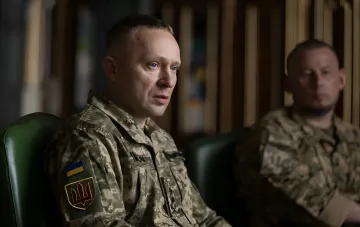
Ukrainian Navy spokesperson Dmytro Pletenchuk voiced the command's position in a recent TV broadcast: there is effectively no longer talk of full-fledged stationing of the Russian fleet on the peninsula. This does not mean that Russia has abandoned the use of Crimea for military purposes, but the nature of this use has changed radically. If the region was previously perceived as a rear zone where ships could undergo repair and refueling without hindrance, it has now become a zone of constant combat activity.
According to Pletenchuk, Ukrainian forces continue to strike military objects on the peninsula 24/7. The priority is the destruction of infrastructure that ensures the further presence of Russian troops. "These are, of course, those military infrastructure objects that enable Russians to maintain their presence here," noted the Navy representative. In fact, Crimea retains military significance for Russia, but no longer as a safe haven, but as a logistical hub requiring constant protection.
The air component as the last stronghold
Despite the loss of control over the maritime space and the vulnerability of port infrastructure, Russia retains a certain influence on the situation in the region. As Pletenchuk noted, the main ability of Russia to influence the situation today remains the air component. Aircraft based on the peninsula continue to be a tool of pressure, however, their effectiveness is declining due to the inability to ensure reliable protection of ground objects and ships from strikes from the sea and land.
The situation is exacerbated by the fact that Russian military forces are forced to spend significant resources on the defense of rear objects, instead of using them for offensive operations. Infrastructure supporting the fleet's operations is becoming the main target for Ukrainian sabotage groups and strike drones.
Chronology of strikes: from warehouses to 'Pantsir'
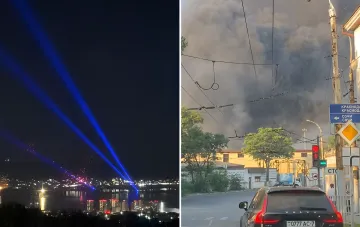
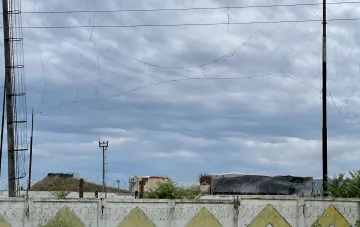
The activity of Ukrainian forces in Crimea is not waning. On the night of August 1, the Defense Forces of Ukraine launched a series of strikes on key Russian military objects. Among the targets were warehouses of unmanned marine boats in Chernomorsk, railway bridges in the Chongar and Vladislavovka areas, as well as a unit of the Russian Black Sea Fleet's electronic intelligence in Sevastopol.
Special attention is paid to the destruction of air defense systems. Recently, fighters of the GUR special unit "Group 13" destroyed a Russian Pantsir-S1 anti-aircraft missile and gun system and a military crane in temporarily occupied Crimea. These actions demonstrate the ability of Ukrainian special services to penetrate deep into the enemy's rear and deliver pinpoint strikes on critically important defense nodes.
Contradictory data
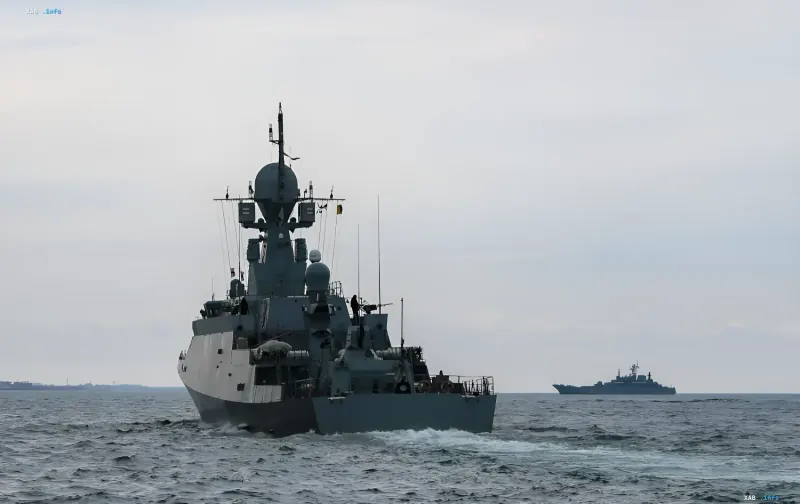
While the Ukrainian side insists that Crimea has ceased to be a full-fledged base, Russian sources and analysts continue to claim plans for fleet modernization. In particular, it was previously reported on the construction of new ships in Crimea, however, the timing and scale of these projects remain in question. Some experts point out that Russia may be trying to hide real losses by continuing to support the image of an active presence in the region.
On the other hand, data on the mass departure of families of Black Sea Fleet servicemen from Crimea, published in a number of media outlets, indicates growing distrust in the safety of the peninsula. This creates a contradiction between official statements about "strengthening positions" and the real practice of evacuating civilian personnel.